
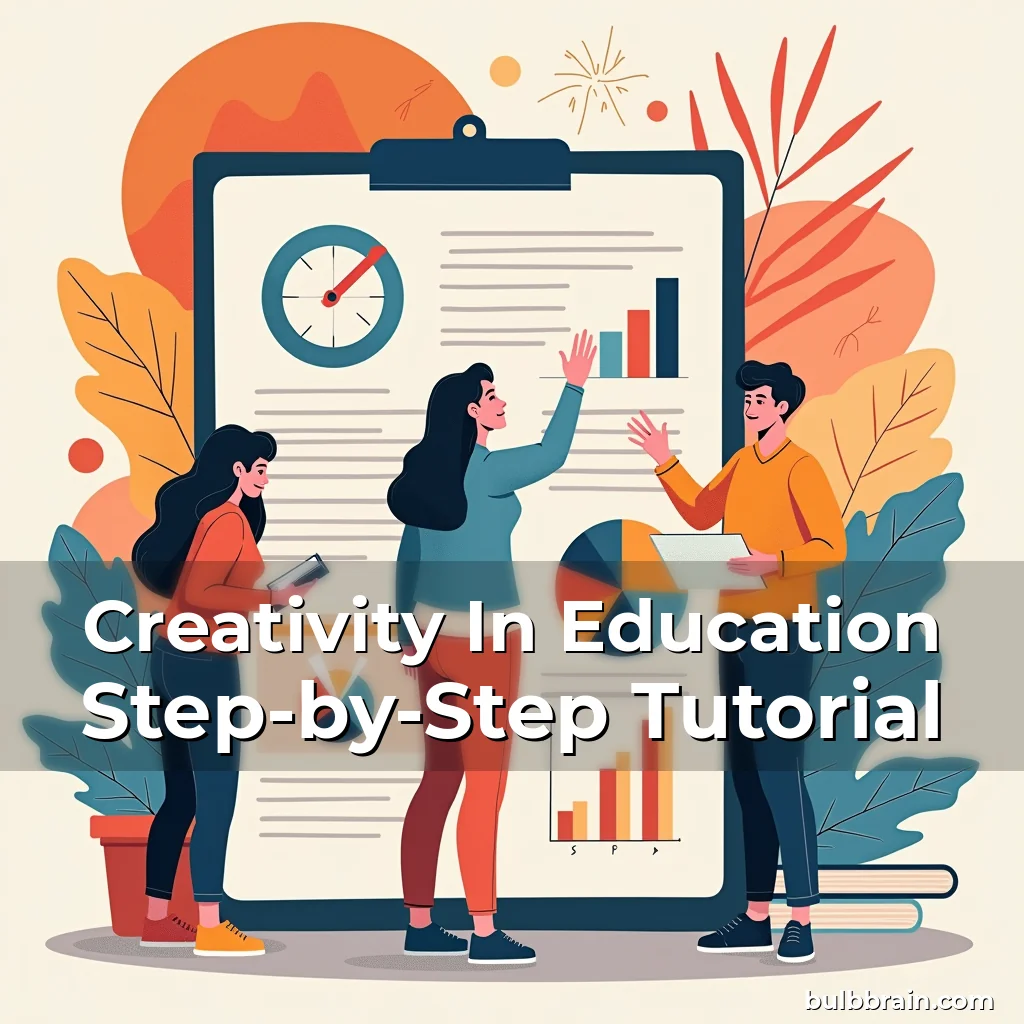
The Spark That Transforms Learning: Cultivating Creativity in Education
In an era where rote memorization dominates traditional classrooms, creativity has emerged as the missing ingredient that can revolutionize how students learn and engage with knowledge. This article explores practical strategies, innovative teaching methods, and real-world success stories to help educators unlock the creative potential within every learner.
By integrating creative approaches into educational settings, we empower students to think critically, solve complex problems, and express their ideas in diverse ways. The journey toward fostering creativity requires both intentionality and innovation from teachers and institutions alike.
Understanding the Role of Creativity in Modern Education
Creativity in education goes beyond art classes or music lessons; it’s about cultivating a mindset that embraces curiosity, experimentation, and original thought across all disciplines. When integrated effectively, creative learning fosters deeper understanding and long-term retention of information.
This approach encourages students to question assumptions, explore alternative solutions, and connect different areas of knowledge in novel ways. Research shows that students who engage in creative learning demonstrate improved problem-solving abilities and enhanced academic performance across subjects.
Educators play a pivotal role in nurturing these skills by creating environments that value risk-taking and celebrate unconventional thinking. A classroom culture that supports creativity allows students to feel safe in expressing their unique perspectives without fear of judgment.
To truly harness creativity’s power, schools must move away from rigid curricula focused solely on standardized testing outcomes. Instead, they should prioritize student-centered learning experiences that encourage exploration and personal growth.
A growing body of evidence suggests that creatively engaged students show increased motivation and engagement levels compared to those in traditional learning environments. These findings highlight the importance of rethinking conventional pedagogical practices.
Ultimately, incorporating creativity into education isn’t just beneficial—it’s essential for preparing students to navigate an increasingly complex world filled with unprecedented challenges and opportunities.
Fostering Creative Thinking Through Innovative Teaching Methods
Modern educational frameworks are beginning to embrace methodologies that nurture creative thinking rather than simply transmitting information. One such method involves project-based learning, which immerses students in real-world scenarios requiring them to apply interdisciplinary knowledge creatively.
Teachers utilizing design thinking principles guide students through empathetic research, ideation processes, and iterative prototyping—skills crucial for developing innovative solutions to contemporary issues. This structured yet flexible framework encourages both analytical rigor and imaginative exploration.
Digital tools have also transformed how creativity is cultivated in classrooms today. Platforms like Scratch allow young learners to develop coding skills while simultaneously exercising artistic expression through interactive media creation projects.
Collaborative learning spaces designed specifically for creative work foster peer-to-peer idea exchange and collective problem solving. These dynamic environments promote social-emotional development alongside intellectual growth when properly facilitated.
Evidence indicates that exposure to varied instructional techniques significantly enhances students’ capacity for divergent thinking—the ability to generate multiple solutions to open-ended questions—which is foundational to creative achievement.
Integrating movement into daily routines helps maintain cognitive flexibility necessary for sustained creative output. Schools implementing brain-break activities report higher engagement levels during subsequent learning tasks.
Case Study: The Impact of Play-Based Learning at Reggio Emilia Schools
The renowned Reggio Emilia approach exemplifies how unstructured play facilitates profound learning experiences centered around creativity. Students there regularly participate in hands-on explorations using natural materials, leading to spontaneous discoveries that drive curriculum development organically.
Research conducted over decades reveals consistent correlations between play-based instruction models and heightened emotional intelligence among participants. Children exposed to frequent playtime exhibit superior conflict resolution skills and greater empathy towards peers.
In this environment, teachers act primarily as facilitators rather than directors, observing closely to identify individual interests before guiding inquiry paths accordingly. This responsive methodology ensures each child receives personalized attention aligned with their developmental needs.
Data collected from longitudinal studies tracking former Reggio graduates indicate strong links between early creative engagement and later career satisfaction rates. Many alumni pursue professions emphasizing innovation and collaboration.
Bridging the Gap Between Theory and Practice
Successfully translating theoretical understandings of creativity into effective classroom practice demands careful planning and ongoing reflection. Educators need clear benchmarks against which they can measure progress in developing students’ creative competencies.
Establishing rubrics tailored explicitly for assessing creative work provides objective criteria for evaluating novelty, execution quality, and conceptual depth in student outputs. Such assessments enable meaningful feedback loops that support continuous improvement.
Professional development programs focusing on creative pedagogy equip teachers with practical strategies for embedding imagination-driven activities within standard curricular requirements. Workshops often include demonstration sessions showing how core subject matter can be taught through creative lenses.
Mentorship initiatives pairing experienced creatives with aspiring educators offer invaluable guidance in navigating institutional constraints while still pursuing innovative teaching goals. These relationships facilitate knowledge transfer regarding successful implementation tactics.
Regular self-assessment exercises help instructors recognize personal biases that might inadvertently stifle student creativity. Reflective journaling becomes particularly useful in identifying patterns worth addressing or reinforcing.
Creating communities of practice where teachers share resources, successes, and challenges related to fostering creativity builds collective wisdom that benefits entire school systems seeking transformational change.
Designing Spaces That Inspire Innovation
Physical learning environments profoundly influence the extent to which students feel empowered to take risks and experiment freely. Thoughtful interior design choices can transform ordinary rooms into stimulating hubs for creative discovery.
Flexible seating arrangements allowing for easy configuration support various modes of interaction—from independent study to group brainstorming sessions. Modular furniture pieces make adapting layouts according to activity type straightforward and efficient.
Color psychology plays a significant role in shaping moods conducive to creativity. Warm hues stimulate energy whereas cool tones promote calmness—both essential qualities for optimal creative functioning depending on task demands.
Well-planned lighting systems featuring adjustable brightness controls accommodate differing visual comfort needs during extended periods of concentration required for intricate creative projects.
Ample storage solutions organized intuitively reduce clutter distractions so students can access materials swiftly without losing focus on their current creative endeavor.
Incorporating nature elements such as indoor plants or views outside windows has been shown scientifically to enhance attentiveness and lower stress levels—an ideal combination for sustaining productive creative flows.
Technology as a Catalyst for Creative Expression
Digital platforms now provide unprecedented avenues for students to manifest their creative visions in ways previously unimaginable. From digital storytelling applications to virtual reality simulations, technology expands the boundaries of what constitutes artistic production.
Cloud-based collaboration tools enable geographically dispersed teams to co-create multimedia projects seamlessly. Version control features ensure everyone contributes meaningfully without disrupting others’ workflows.
Artificial intelligence assistants assist in generating initial concept sketches or suggesting color palettes based on user preferences—tools that augment human creativity rather than replace it entirely.
Interactive whiteboards transform static presentations into dynamic experiences where multiple users can contribute simultaneously, making group brainstorming sessions more inclusive and participatory.
Mobile apps dedicated exclusively to creative writing or musical composition give students portable outlets for self-expression anytime inspiration strikes unexpectedly.
Augmented reality overlays enrich traditional artwork displays by providing additional contextual layers that deepen viewers’ appreciation of the creative process behind each piece.
Nurturing Resilience Through Creative Challenges
Creative endeavors inherently involve trial-and-error cycles wherein failures serve as stepping stones toward eventual breakthroughs. Structured failure protocols teach students resilience by reframing setbacks as integral components of the innovation cycle.
Peer review mechanisms create supportive ecosystems where constructive criticism becomes a shared responsibility rather than something feared or avoided altogether. This communal aspect strengthens interpersonal bonds while refining creative products collaboratively.
Setting up progressive difficulty levels ensures students experience gradual increases in challenge intensity matched precisely with their evolving skill sets. This scaffolding technique prevents discouragement while maintaining appropriate pressure points.
Reward systems acknowledging effort invested in creative pursuits—not just final results—reinforce intrinsic motivation values over extrinsic incentives typically associated with conventional grading structures.
Documenting the evolution of creative works visually through time-lapse photography or annotated journals offers tangible proof of personal growth trajectories visible even to the creators themselves.
When combined strategically, these approaches cultivate not only technical proficiency but also psychological fortitude vital for enduring future obstacles encountered in professional contexts demanding similar adaptive capabilities.
Assessing Progress Toward Creative Development Goals
Evaluating creative growth necessitates moving beyond simplistic numerical scores toward richer qualitative analyses capturing nuanced aspects of development. Observational checklists track behavioral indicators revealing emerging creative capacities accurately over time.
Voice recordings analyzing student reflections on completed creative assignments yield deep insights into metacognitive awareness surrounding their own inventive processes—a dimension rarely captured quantitatively alone.
Portfolio reviews comprising representative samples spanning varying stages of development provide holistic snapshots illustrating progression paths taken uniquely by each individual learner.
Comparative analysis between pre/post intervention data demonstrates measurable shifts occurring within targeted domains specified initially when establishing assessment objectives.
Parental involvement through regular home-school communication channels keeps families informed about children’s creative milestones achieved consistently throughout their schooling journeys.
Longitudinal follow-ups after graduation continue monitoring how acquired creative competencies translate successfully into adult life situations requiring comparable levels of imaginative problem-solving acumen.
Overcoming Institutional Barriers to Creative Integration
School administrators face considerable pressures stemming from bureaucratic mandates prioritizing compliance over innovation. Navigating these structural limitations demands strategic advocacy efforts coupled with demonstrable improvements resulting from experimental reforms undertaken responsibly.
Pilot program implementations allow testing new creative initiatives incrementally before committing full-scale adoption reducing perceived risk factors associated with wholesale changes impacting entire systems simultaneously.
Data analytics showcasing positive outcomes from pilot phases become persuasive arguments supporting broader systemic integration once sufficient evidence accumulates validating efficacy claims made initially.
Building coalitions among stakeholders including parents, local businesses, and higher education institutions creates multi-faceted support networks essential for sustainable change initiatives aiming at transformative impacts across generations.
Grant funding obtained through competitive application processes enables resource acquisition necessary for launching ambitious creative projects otherwise financially prohibitive under existing budgetary constraints.
Legal considerations must always remain forefront ensuring any proposed innovations align fully with regulatory standards protecting vulnerable populations receiving educational services governed by strict legal parameters governing accessibility requirements.
Empowering Future Generations Through Creative Literacy
Instilling creative literacy in youth equips them with indispensable tools for thriving amidst rapid technological advancements reshaping global landscapes continuously. Educational systems worldwide increasingly acknowledge necessity of embedding creativity as fundamental competency akin to reading/writing skills traditionally emphasized predominantly.
Exposure to cross-disciplinary projects combining STEM fields with arts disciplines cultivates versatile thinkers capable of tackling multifaceted modern problems requiring integrative solution approaches seldom achievable via singular disciplinary viewpoints alone.
Global citizenship education infused with creative problem-solving components prepares students actively participating constructively within international communities facing shared existential threats demanding collaborative ingenuity transcending national borders effortlessly.
Lifelong learning mindsets nurtured through creative engagement sustain curiosity well past formal schooling years ensuring continued personal enrichment available perpetually regardless of external circumstances encountered subsequently.
Interdisciplinary partnerships between academia, industry leaders, and cultural organizations forge pathways enabling seamless transition from classroom creativity experiments into viable real-world applications benefiting society broadly.
As societal expectations evolve rapidly due largely to digitization trends influencing nearly every facet of existence globally, maintaining commitment toward cultivating creative thinkers remains imperative for securing prosperous futures collectively envisioned positively.
Conclusion
Cultivating creativity in education represents not merely an enhancement strategy but rather a paradigm shift essential for preparing students adeptly confronting tomorrow’s uncertainties confidently armed with requisite imaginative capabilities necessary for navigating complexities inherent therein.
Implementing intentional creative pedagogies transforms passive recipients of knowledge into active contributors shaping realities proactively instead of passively reacting to externally imposed conditions limiting possibilities unnecessarily constraining potential otherwise limitless.

news is a contributor at BulbBrain. We are committed to providing well-researched, accurate, and valuable content to our readers.
You May Also Like
About news
Passionate about learning, cognitive science, and helping people unlock their full potential.