
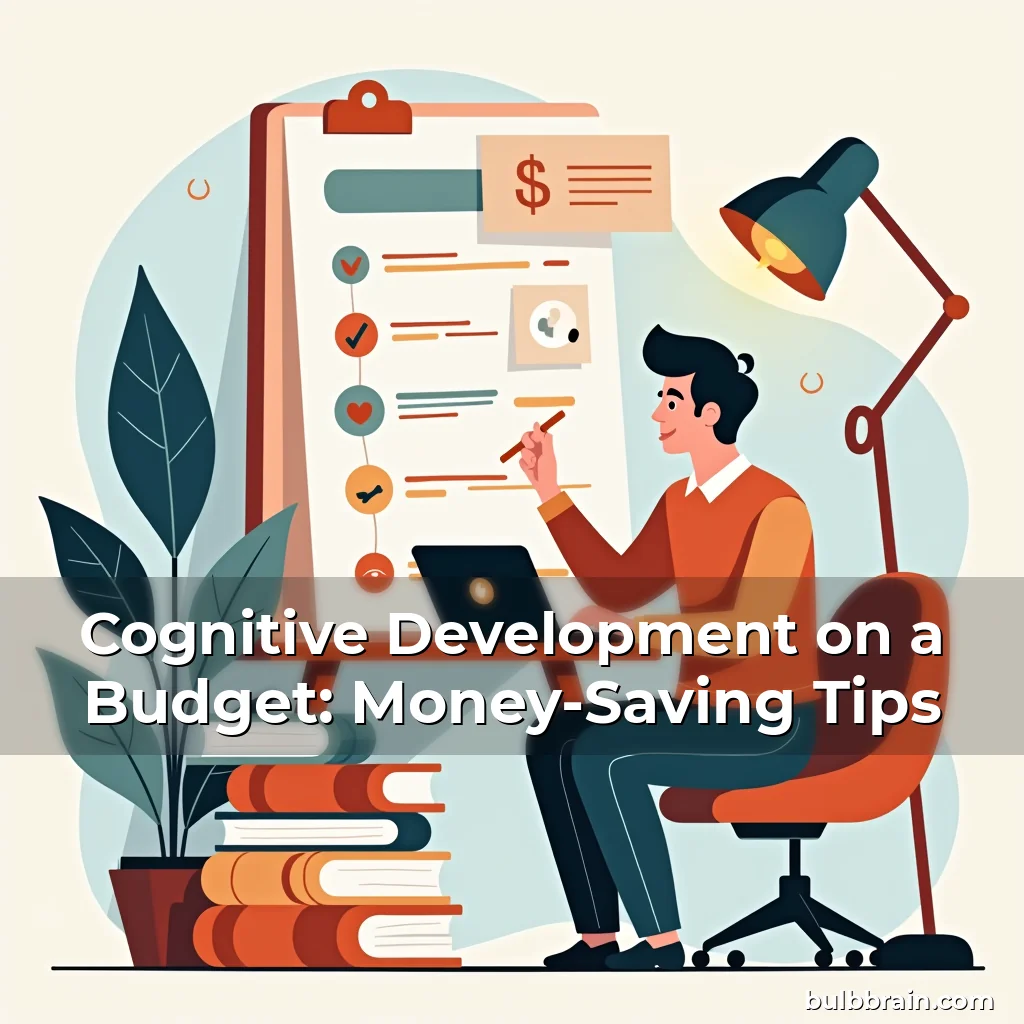
Unlocking Human Potential: A Journey Through Cognitive Development
Cognitive development refers to the progressive acquisition of knowledge, reasoning, and problem-solving abilities over time. It shapes how individuals perceive their environment, make decisions, and interact with others.
This article explores cognitive development from infancy to old age, examining theories, stages, and practices that enhance mental growth. Whether you’re a parent, educator, or curious learner, understanding these principles empowers informed choices for personal and professional growth.
The Foundations of Cognitive Growth
Cognitive development begins before birth, influenced by genetic factors, prenatal nutrition, and maternal well-being. Neural pathways form rapidly during fetal development, laying the groundwork for sensory processing and reflexive behaviors.
Newborns rely heavily on reflexes like grasping and sucking, which evolve into intentional actions as brain regions responsible for motor control mature. These early steps are critical for building foundational awareness of self and surroundings.
By six months, infants begin recognizing familiar faces and objects, marking the onset of object permanence—a crucial milestone in cognitive advancement. Simple interactions with caregivers stimulate neural plasticity, enhancing learning capacity.
- Prenatal care: Maternal diet rich in folic acid, omega-3 fatty acids, and antioxidants supports healthy brain cell formation in fetuses.
- Sensory stimulation: Exposure to varied textures, sounds, and visual stimuli fosters rapid neural connectivity in newborns.
Stages of Intellectual Evolution
Jean Piaget’s groundbreaking work identified distinct phases of cognitive development, emphasizing qualitative shifts in thinking abilities rather than gradual improvements alone.
The sensorimotor stage (birth to 2 years) centers on exploring the world through physical interaction. Infants learn cause-and-effect relationships by dropping toys or repeating actions to achieve desired outcomes.
During the preoperational stage (2–7 years), children acquire symbolic thought, enabling them to represent objects mentally. However, their thinking remains egocentric, limiting perspective-taking abilities.
Piaget’s Legacy and Modern Applications
Piaget’s framework has shaped educational methodologies worldwide. Montessori schools, for example, emphasize hands-on learning aligned with his theory that active exploration drives comprehension.
While contemporary neuroscience has refined Piaget’s models, core principles remain influential. Researchers now recognize individual variability in reaching developmental benchmarks due to environmental and cultural differences.
Modern assessments integrate both behavioral observations and technological tools like functional MRI scans, revealing real-time brain activity during problem-solving tasks previously analyzed solely through observation.
The Power of Social Interaction
Lev Vygotsky’s sociocultural theory posits that cognitive development emerges primarily through socially mediated experiences. Peer interactions and guided instruction facilitate higher-order thinking skills.
Vygotsky introduced the concept of the “zone of proximal development” – the gap between what learners can accomplish independently and what they can achieve with guidance. Scaffolding techniques help bridge this divide effectively.
Dramatic play allows children to practice complex social scenarios safely, developing empathy and conflict-resolution skills vital for navigating adult relationships later in life.
- Linguistic input: Language exposure during early years correlates strongly with vocabulary size and syntactic complexity at ages three and beyond.
- Mentorship programs: Structured mentoring relationships provide personalized support for students grappling with abstract mathematical or scientific concepts.
Adolescent Brain Maturation
Between ages 12–25, the prefrontal cortex undergoes significant myelination, enhancing executive functions like impulse control and long-term planning capabilities.
Adolescents often exhibit risk-seeking behavior due to heightened sensitivity to reward systems coupled with still-developing inhibitory controls in frontal lobe regions.
Educators must adapt teaching methods to accommodate shifting attention spans and evolving moral reasoning capacities characteristic of teenage cognition.
Navigating Academic Challenges
Approximately 85% of high school students report increased anxiety levels associated with standardized testing requirements, highlighting the psychological toll of modern educational pressures.
Integrating mindfulness exercises into curricula reduces stress markers while improving working memory performance among adolescents facing intense academic demands.
Culturally responsive pedagogy acknowledges diverse learning styles, addressing disparities arising from socioeconomic backgrounds that affect access to enrichment opportunities outside traditional classrooms.
Continuing Learning Throughout Life
Cognitive development doesn’t plateau after young adulthood. Engaging in intellectually stimulating activities maintains neuronal connectivity and delays age-related declines.
Lifelong learners benefit from cross-disciplinary study habits that encourage creative thinking and transferable skills applicable across domains ranging from technology to healthcare professions.
Older adults who regularly participate in social groups show enhanced information processing speed comparable to peers half their age in longitudinal research studies tracking cognitive trajectories.
- Bilingualism: Fluent speakers demonstrate greater resistance to Alzheimer’s disease symptoms, possibly due to sustained dual-language activation strengthening synaptic networks.
- Craft hobbies: Activities requiring fine motor coordination (e.g., knitting, woodworking) correlate with improved spatial reasoning abilities in retirees surveyed annually over ten-year periods.
Cognitive Decline and Recovery Strategies
Age-related cognitive impairment affects approximately 10 million people globally, presenting challenges for daily functioning and independent living arrangements.
Early detection through neuropsychological screenings enables timely intervention with medications targeting amyloid plaques implicated in dementia pathogenesis mechanisms.
Non-pharmacological approaches including regular exercise routines and music therapy sessions prove effective in maintaining quality of life for affected populations.
Technology Assisted Rehabilitation
Virtual reality environments simulate real-world navigation tasks, helping patients regain lost orientation skills post-stroke or traumatic brain injury incidents.
Smart home devices featuring voice recognition software empower elderly users experiencing mild memory lapses by providing reminders for medication intake and appointment scheduling.
Artificial intelligence algorithms analyze speech patterns to detect early warning signs of degenerative neurological conditions potentially years prior to overt symptom manifestation.
Fostering Healthy Cognitive Habits
Incorporating nutrient-dense foods rich in antioxidants protects against oxidative stress damaging neurons responsible for memory consolidation processes.
Adequate sleep cycles consolidate procedural memories acquired during waking hours, particularly benefiting musicians practicing complex instrumental pieces consistently overnight.
Regular physical activity increases hippocampal volume in animal models, suggesting similar benefits might apply to human subjects engaged in aerobic training regimens twice weekly minimum.
- Omega-3 supplementation: Clinical trials indicate reduced inflammation in cerebral tissues linked to mood stabilization effects observable in trial participants taking fish oil capsules thrice daily.
- Coffee consumption: Moderate caffeine intake enhances alertness temporarily without negatively impacting long-term cognitive function in coffee-drinking volunteers monitored biweekly over twelve-month intervals.
Conclusion
Cognitive development encompasses dynamic changes spanning lifetimes, shaped by biological predispositions, environmental influences, and conscious efforts toward personal enrichment.
Whether nurturing young minds or maintaining mental acuity in older adults, adopting scientifically supported strategies maximizes potential at every developmental stage. Practical applications range from infant caregiving techniques to eldercare innovations utilizing emerging technologies.

news is a contributor at BulbBrain. We are committed to providing well-researched, accurate, and valuable content to our readers.
You May Also Like

About news
Passionate about learning, cognitive science, and helping people unlock their full potential.