
The Spark Within: Cultivating Creativity in Modern Classrooms
In an era where innovation drives progress, creativity has emerged as a cornerstone of effective education. Yet, many classrooms still operate under traditional models that prioritize rote learning over imaginative exploration. This disconnect highlights a critical need to reimagine how we nurture creative potential in students.
The modern classroom is at a crossroads—caught between the demands of standardized testing and the urgent call for innovative thinking skills. As educators grapple with these challenges, fostering creativity becomes not just beneficial but essential for preparing students for an ever-evolving world.
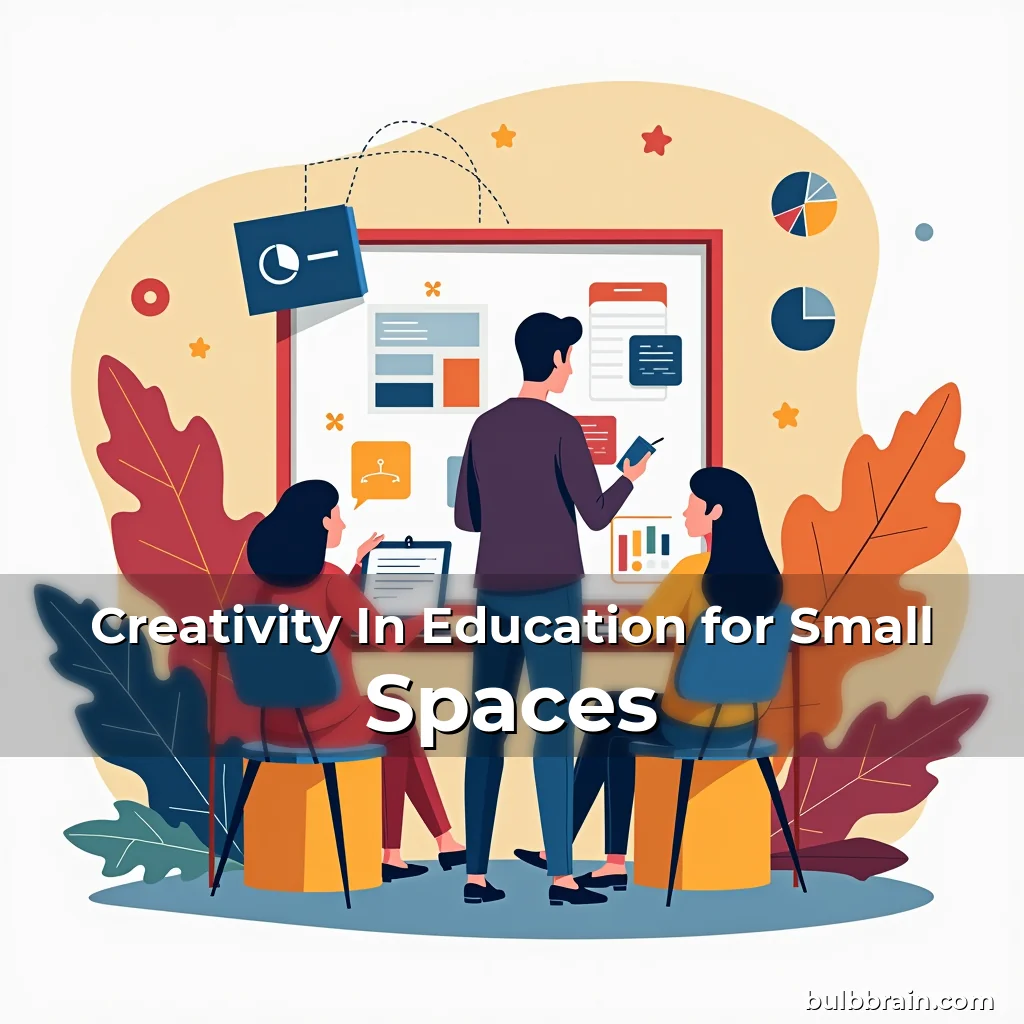
Reimagining Learning Environments
A fundamental shift begins with rethinking physical spaces. Traditional rows of desks facing a chalkboard may have served their purpose, but they often stifle spontaneous interaction and collaboration. Instead, flexible seating arrangements can transform classrooms into dynamic hubs of activity.
Movable furniture allows students to rearrange their workspace according to project needs. Tables designed for group work encourage teamwork while standing desks promote movement during focused tasks. These adaptations create environments that support diverse learning styles.
- Flexible layouts: Modular setups enable quick configuration changes based on lesson objectives.
- Collaborative zones: Dedicated areas for brainstorming sessions foster idea-sharing among peers.
- Sensory-rich environments: Incorporating natural elements improves student engagement and well-being.
Research from the University of Salford indicates that adaptable classroom designs can increase student performance by up to 15%. By prioritizing spatial flexibility, schools lay the groundwork for creative expression.
Lighting also plays a crucial role in shaping the atmosphere. Natural light exposure enhances cognitive function, while adjustable artificial lighting accommodates different activities—from quiet reading to active discussions.
Fostering Creative Mindsets Through Pedagogy
Educators hold immense power in cultivating creative thinking through intentional teaching methods. Rather than focusing solely on correct answers, teachers can emphasize the process of discovery itself. Open-ended questions become gateways to deeper understanding rather than mere assessments.
Project-based learning emerges as a powerful framework for nurturing creativity. When students tackle real-world problems, they develop critical thinking skills alongside artistic expression. This approach bridges theoretical knowledge with practical application in meaningful ways.
An example of this philosophy in action comes from High Tech High in California, where interdisciplinary projects engage students in creating solutions to complex issues. From designing sustainable cities to developing interactive media installations, such programs demonstrate how creativity thrives when given authentic contexts.
Incorporating arts integration across subjects further strengthens this foundation. Music theory lessons might explore mathematical patterns, while literature classes could analyze narrative structures through visual storytelling techniques.
This holistic approach recognizes that creativity isn’t confined to art classes alone—it’s woven throughout every discipline. Teachers who embrace this perspective unlock new dimensions of student engagement.
Technology as a Catalyst for Innovation
Digital tools offer unprecedented opportunities to expand creative possibilities within education. Virtual reality experiences allow students to immerse themselves in historical events or scientific phenomena firsthand. Augmented reality applications bring abstract concepts to life through interactive simulations.
Platforms like Scratch enable young learners to develop coding skills through game design and animation creation. Such tools demystify technology while encouraging problem-solving approaches rooted in creativity.
Online collaborative platforms break down geographical barriers, connecting students worldwide in shared creative ventures. Google Jamboard facilitates real-time brainstorming sessions, while Tinkercad provides digital modeling capabilities accessible from any device.
However, integrating technology requires thoughtful implementation. Digital literacy training ensures that students use these tools effectively without becoming overwhelmed by their complexity. Balancing screen time with hands-on experimentation maintains a healthy relationship with technology.
Moreover, teacher professional development remains vital. Educators must feel confident navigating digital landscapes to guide students meaningfully through technological innovations.
Nurturing Intrinsic Motivation
Creative growth flourishes when students are intrinsically motivated. Unlike extrinsic rewards like grades or trophies, internal drive stems from genuine interest and personal satisfaction derived from the task itself.
Choice boards provide students autonomy over their learning paths. By offering options in topics, formats, and presentation methods, educators empower individuals to take ownership of their educational journey.
Self-directed learning modules encourage students to set goals and monitor their own progress. Tools like digital portfolios help track evolving competencies while celebrating milestones along the way.
When students see tangible results from their efforts, motivation naturally increases. A successful science fair display or compelling literary analysis can serve as powerful affirmations of creative achievement.
Creating safe spaces where mistakes are viewed as part of the learning process reduces fear of failure. This mindset fosters resilience—the ability to persist through challenges until reaching breakthroughs.
Assessment Beyond Standardized Testing
Traditional assessment systems often fail to capture the full spectrum of creative abilities. Multiple-choice tests measure memorization but rarely assess original thought or inventive problem-solving strategies.
Performance-based evaluations provide richer insights into student capabilities. Presentations, portfolios, and capstone projects showcase both technical skill and creative vision simultaneously.
Rubrics emphasizing originality, depth of thought, and innovative execution align better with creative outcomes. Such criteria recognize that there’s value beyond merely arriving at the right answer.
Peer review processes add another dimension by exposing students to diverse perspectives. Constructive feedback from classmates encourages refinement of ideas while building communication skills.
Ultimately, shifting evaluation paradigms validates creativity as an integral component of academic success rather than a peripheral concern.
Bridging Generational Gaps in Teaching Methods
Intergenerational collaboration brings fresh perspectives to creative pedagogy. Younger educators often possess greater familiarity with emerging technologies and contemporary cultural references relevant to current students.
Meanwhile, veteran teachers contribute invaluable experience in curriculum development and classroom management. Combining these strengths creates balanced approaches that honor tradition while embracing evolution.
Reverse mentoring programs facilitate ongoing dialogue between experienced educators and newer colleagues. These exchanges challenge assumptions and spark innovative thinking across age groups.
Such collaborations also benefit students by exposing them to varied viewpoints. Interactions with mentors from different generations enrich their understanding of adaptability and lifelong learning.
Professional development initiatives that incorporate intergenerational mentorship ensure continuous improvement in creative instructional practices.
Community Partnerships as Extensions of Classroom Learning
Local organizations provide rich resources that extend classroom learning beyond school walls. Museums, theaters, and research institutions offer immersive experiences unavailable within standard curricula.
Partnership agreements with businesses open doors to internships, apprenticeships, and real-world problem-solving scenarios. Students gain first-hand insight into various professions through direct engagement with professionals.
Artistic collaborators bring specialized expertise into schools, whether through music workshops, theater productions, or visual arts residencies. These interactions deepen students’ appreciation for creative disciplines.
Volunteer opportunities connect students with community service projects that require innovative thinking. Environmental cleanups, neighborhood revitalizations, and social entrepreneurship initiatives all involve creative problem-solving components.
These partnerships cultivate civic responsibility while reinforcing the relevance of creative skills in addressing societal challenges.
Support Systems for Student Creativity
Establishing robust support networks is essential for sustaining creative momentum. Peer groups dedicated to specific interests form communities where members share resources and collaborate on projects.
Mentorship programs pair students with industry experts who provide guidance tailored to individual aspirations. These relationships offer clarity about career pathways and build confidence in pursuing creative endeavors.
Family involvement reinforces creative habits outside formal schooling settings. Parents participating in maker fairs or attending student exhibitions strengthen home-school connections around innovation.
Administrators play a pivotal role by allocating resources towards creative initiatives. Budget allocations for supplies, technology, and program development signal institutional commitment to creative excellence.
Lastly, policy makers shape broader frameworks that either hinder or support creative education. Advocacy efforts aimed at influencing legislation ensure sustained investment in creative learning environments.
Measuring Progress in Creative Development
Tracking creative growth presents unique challenges compared to conventional metrics. While math proficiency can be quantified easily, assessing imagination requires more nuanced methodologies.
Qualitative assessments such as reflective journals document students’ thought processes and conceptual developments over time. These records reveal patterns of creative thinking that numerical scores cannot fully encapsulate.
Portfolios containing samples of student work serve as living records of progress. They illustrate both technical mastery and evolving creative identities across different stages of development.
Surveys measuring intrinsic motivation levels complement quantitative data by capturing students’ attitudes toward creativity. Positive indicators suggest thriving creative ecosystems within schools.
Data triangulation combining multiple assessment types paints a comprehensive picture of creative advancement. This multifaceted approach avoids reducing complex human qualities to simple measurements.
Overcoming Barriers to Creative Implementation
Despite its importance, implementing creative education faces numerous obstacles. Time constraints imposed by packed schedules limit opportunities for exploratory learning experiences.
Curriculum mandates often prioritize test preparation over creative pursuits. Navigating bureaucratic requirements while maintaining creative integrity proves challenging for many educators.
Lack of training prevents some teachers from confidently incorporating creative methodologies into their practice. Professional development gaps hinder widespread adoption of innovative teaching strategies.
Resource limitations pose additional hurdles. Schools lacking adequate funding struggle to acquire necessary materials for hands-on creative projects.
Addressing these barriers requires systemic change involving policymakers, administrators, and educators working collaboratively to create supportive environments for creative learning.
Global Perspectives on Creative Education
Different cultures approach creativity in education with distinct philosophies shaped by historical traditions and societal values. Understanding these variations broadens our collective awareness of creative pedagogical possibilities.
In Finland, the emphasis on trust in students leads to fewer structured lessons and more self-directed learning. This approach cultivates independent thinkers capable of tackling novel situations with confidence.
Japan’s balance between rigorous academic standards and artistic expression offers intriguing contrasts. While excelling in STEM fields, Japanese education systems also maintain strong commitments to aesthetic appreciation and craftsmanship.
Scandinavian countries integrate nature deeply into their educational frameworks. Outdoor learning environments stimulate curiosity and inspire creative responses to environmental stimuli.
Examining global best practices informs local implementations by highlighting what works across different contexts. Cross-cultural exchange promotes continuous refinement of creative educational approaches worldwide.
Future Directions for Creative Education
Ongoing research continues to uncover new frontiers in creative pedagogy. Emerging fields like neuroaesthetics explore how brain functions relate to artistic perception and production.
Advancements in AI present both challenges and opportunities. Intelligent tutoring systems could personalize creative exercises while ethical considerations regarding algorithmic bias remain paramount.
Sustainable education movements advocate for environmentally conscious creative practices. Eco-friendly material choices and green design principles influence how creative projects are conceived and executed.
The rise of hybrid learning models necessitates reevaluating creative instruction delivery. Blending online and offline components requires innovative approaches to maintain engagement and foster creativity remotely.
As we look ahead, staying attuned to these evolving trends ensures that creative education remains vibrant and responsive to future needs.
Conclusion
Cultivating creativity in education represents a transformative shift that benefits both students and society at large. It equips individuals with the adaptive thinking required to navigate complexities of the modern world successfully.
By reengineering learning environments, adopting progressive pedagogies, leveraging technology wisely, and forging meaningful partnerships, we can build resilient educational systems that celebrate creativity as core competency.

news is a contributor at BulbBrain. We are committed to providing well-researched, accurate, and valuable content to our readers.
You May Also Like
About news
Passionate about learning, cognitive science, and helping people unlock their full potential.