
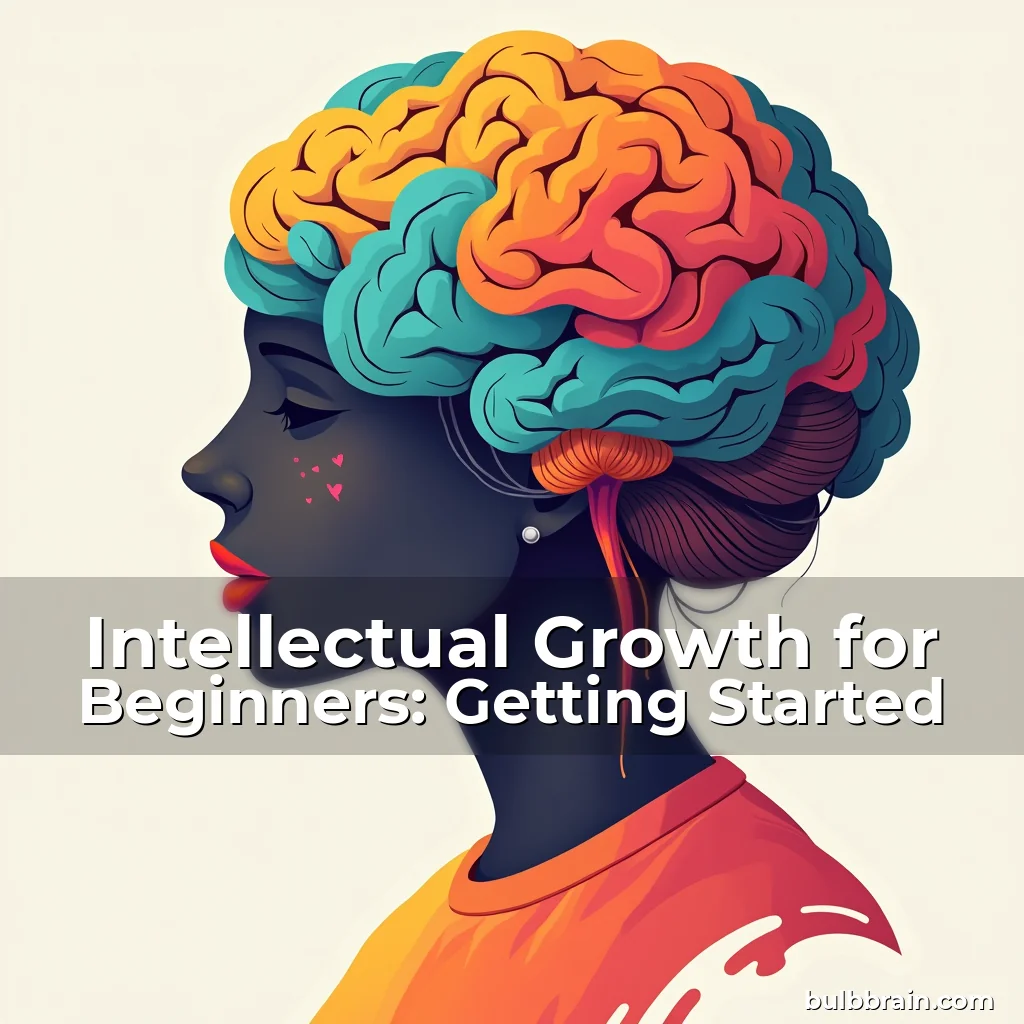
Igniting Curiosity: A Journey Through Intellectual Growth
In a rapidly evolving world driven by innovation and complexity, intellectual growth has become more than a personal pursuit—it is a necessity. It shapes our ability to adapt, solve problems, and engage meaningfully with society.
The path to intellectual growth begins with understanding what it truly means to cultivate wisdom, creativity, and critical thinking. Whether you’re a student, professional, or lifelong learner, this guide offers actionable insights to unlock your full cognitive potential.
What Is Intellectual Growth? Defining the Foundation
At its core, intellectual growth refers to the progressive enhancement of mental faculties such as reasoning, analysis, comprehension, and creativity. It involves expanding one’s knowledge base while refining the capacity to apply that knowledge effectively.
This process is not limited to academic achievements alone. Intellectual growth encompasses emotional intelligence, ethical reasoning, and the ability to think independently across disciplines. It is a dynamic interplay between learning new ideas and re-evaluating existing ones.
Think of it as building a neural network—a complex web of connections formed through experience, study, and reflection. Every challenge overcome, question asked, or perspective considered strengthens this network.
- Cognitive Development: Enhances memory retention, logical deduction, and pattern recognition.
- Mental Agility: Encourages flexibility in thinking and adapting to novel situations.
- Ethical Awareness: Fosters empathy and moral judgment through exposure to diverse viewpoints.
Intellectual growth is not linear. There will be plateaus, setbacks, and moments of breakthrough. What matters is consistency and the willingness to embrace discomfort as part of the process.
Fueling Your Mind: Strategies for Continuous Learning
To sustain intellectual growth, individuals must adopt intentional practices that stimulate their minds daily. These strategies range from structured routines to spontaneous exploration of new interests.
A foundational approach is deliberate practice—focused effort aimed at improving specific skills rather than passive consumption of information. For example, practicing mathematical proofs regularly sharpens analytical thinking better than simply reading about them.
Reading widely across genres and subjects expands cognitive horizons. Nonfiction books provide factual knowledge, while fiction enhances emotional intelligence and narrative understanding. Research shows that avid readers exhibit higher levels of empathy and abstract reasoning.
Engaging in debates or thought experiments also cultivates intellectual resilience. By defending positions against counterarguments, learners develop robust frameworks for evaluating evidence and constructing sound conclusions.
Breaking Down Barriers: Overcoming Common Obstacles
Despite its rewards, many struggle to initiate or maintain intellectual growth due to various barriers. Identifying these obstacles is the first step toward overcoming them.
Lack of time often ranks high among excuses. However, microlearning—dedicating 15–30 minutes daily to focused study—can yield significant results when practiced consistently. Tools like spaced repetition software optimize long-term retention within limited windows.
Distrust of unfamiliar ideas poses another hurdle. Cognitive biases such as confirmation bias lead individuals to reject information conflicting with preexisting beliefs. Recognizing these tendencies allows for more objective evaluation of new concepts.
Social pressures may discourage deep inquiry. In environments valuing conformity over curiosity, questioning norms can feel risky. Cultivating a mindset of “productive dissent” helps navigate such dynamics constructively.
The Role of Environment in Shaping Intellect
Research indicates that surroundings profoundly influence cognitive development. Immersion in intellectually stimulating environments—from museums to bookstores—
Quantum computing promises to redefine problem-solving approaches in physics, cryptography, and other fields. Early exposure to related concepts prepares minds for upcoming paradigm shifts.
Educational neuroscience continues uncovering optimal learning methods. Insights into memory consolidation, attention spans, and cognitive load inform more efficient study techniques.
Conclusion
Intellectual growth is a lifelong endeavor requiring dedication, curiosity, and strategic effort. It transcends academic success to encompass profound transformations in how we perceive and interact with the world.
By adopting intentional learning practices, embracing challenges, leveraging technological advancements, and nurturing social connections, anyone can embark on a fulfilling journey of cognitive enrichment. The next step lies in choosing which idea to explore first—and committing to pursue it relentlessly.

news is a contributor at BulbBrain. We are committed to providing well-researched, accurate, and valuable content to our readers.
You May Also Like

About news
Passionate about learning, cognitive science, and helping people unlock their full potential.