
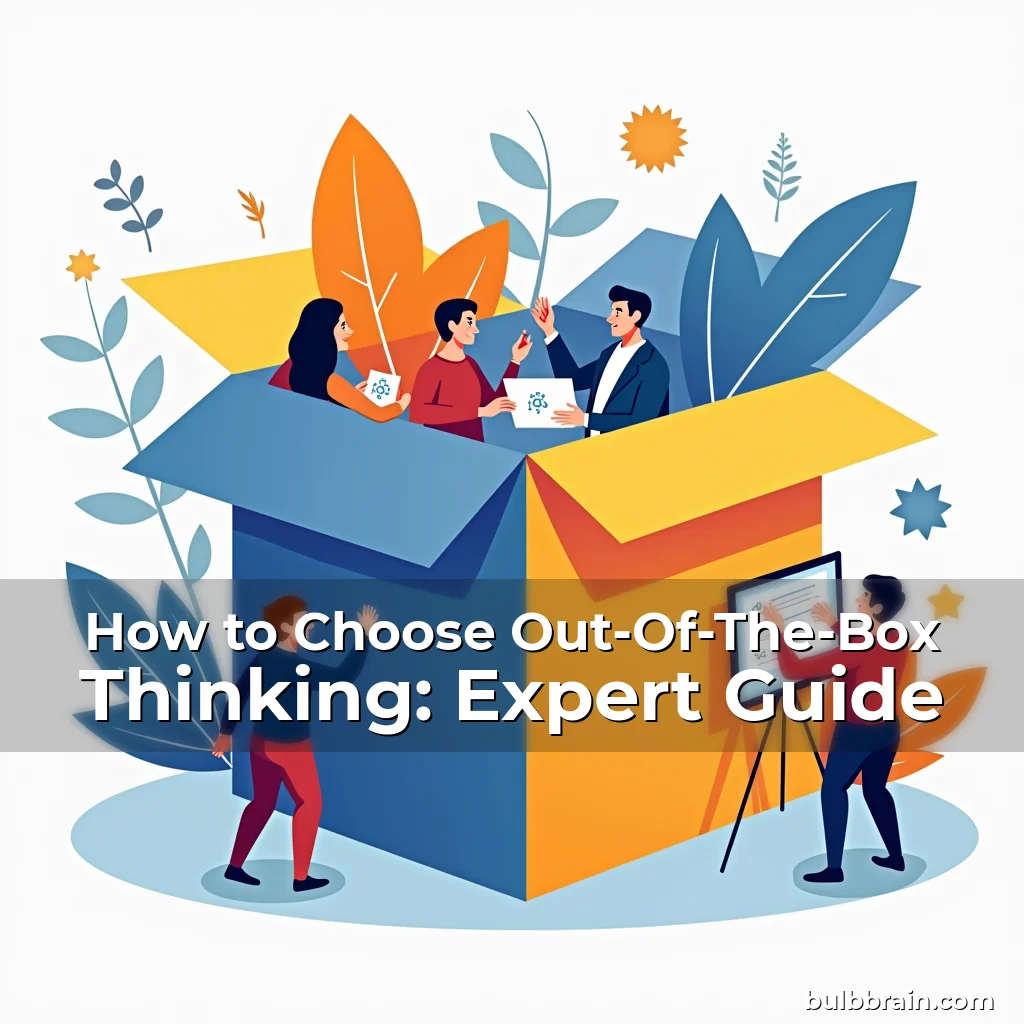
Unlocking Innovation: The Power of Out-of-the-Box Thinking
In today’s rapidly evolving world, standing out requires more than just hard work—it demands creativity and unconventional solutions. Out-of-the-box thinking, also known as lateral thinking, is a powerful approach that challenges traditional problem-solving methods.
This innovative mindset allows individuals and organizations to break free from routine patterns, leading to groundbreaking ideas and transformative results. By embracing new perspectives, we open doors to opportunities previously unseen.
The Essence of Lateral Thinking
Lateral thinking is not merely about generating random ideas; it’s a structured process that encourages exploring alternative viewpoints and connections between seemingly unrelated concepts.
It involves questioning assumptions, redefining problems, and seeking novel approaches rather than following conventional paths. This method fosters innovation by dismantling mental barriers that limit our potential.
For instance, consider how companies like Apple revolutionized technology through user-centric design, which diverged significantly from industry norms at the time.
- Question Assumptions: Challenge existing beliefs about what is possible or practical.
- Redefine Problems: Look beyond surface-level issues to uncover deeper needs or opportunities.
- Seek Connections: Draw inspiration from diverse fields to create unexpected but effective solutions.
Cultivating an Environment for Creative Solutions
Fostering creativity begins with creating environments that support risk-taking and experimentation without fear of failure.
Leadership plays a crucial role here—encouraging teams to voice unconventional ideas can lead to breakthrough innovations. When employees feel safe to explore untested theories, they are more likely to contribute meaningful insights.
Organizations such as Google have implemented policies promoting creative freedom, allowing engineers significant autonomy over their projects, resulting in iconic products like Gmail and Google Maps.
Nurturing Creativity Through Diversity
Diverse teams bring varied experiences and backgrounds, enhancing collective intelligence and fostering fresh perspectives. Research indicates that homogeneous groups tend to produce similar outcomes due to shared biases and limited viewpoints.
A study published in the Harvard Business Review found that companies with greater diversity reported higher levels of innovation and profitability compared to less diverse counterparts.
To harness this advantage, organizations must actively seek out talent from different cultures, disciplines, and thought processes while ensuring inclusive practices that value each member’s contributions equally.
Bridging Gaps Between Disciplines
Interdisciplinary collaboration often leads to remarkable innovations by combining expertise from various domains. For example, biotechnology has benefited immensely from merging biological sciences with engineering principles.
Such collaborations encourage participants to view challenges from multiple angles, increasing the likelihood of discovering unique solutions applicable across industries.
Encouraging cross-functional teamwork within organizations helps dismantle silos, enabling knowledge sharing and sparking new ways of thinking about complex issues.
Embracing Failure as Part of the Process
Mistakes are inevitable when experimenting with novel ideas, yet they serve as invaluable learning tools. Embracing failure allows us to refine strategies based on real-world feedback instead of theoretical expectations.
Thomas Edison famously said, “I have not failed. I’ve just found 10,000 ways that won’t work,” highlighting the importance of persistence even amidst setbacks.
Creating cultures where mistakes are seen positively reduces anxiety around taking risks, encouraging continuous improvement and adaptation towards achieving goals efficiently.
Techniques to Enhance Divergent Thinking Skills
Divergent thinking refers to generating numerous possibilities quickly—an essential skill for those aiming to think outside established frameworks. Techniques such as brainstorming sessions help stimulate imagination by focusing solely on idea generation before evaluation occurs.
Another technique includes using mind maps—a visual tool that connects related thoughts together graphically, making abstract relationships easier to grasp intuitively.
Additionally, practicing improvisation exercises enhances flexibility in responding creatively under pressure situations typical during high-stress events requiring quick decisions.
The Role of Curiosity in Fostering Innovation
Curiosity drives exploration and discovery, forming the foundation upon which many successful inventions rest. Encouraging a culture of inquiry promotes active engagement with surroundings, leading naturally toward identifying areas ripe for improvement.
Individuals who maintain curiosity remain open-minded about acquiring new skills continuously, adapting swiftly to changes happening globally both personally and professionally.
Supporting lifelong learning initiatives ensures ongoing development of critical thinking abilities necessary for sustaining long-term success through constant reinvention oneself according to emerging trends.
Implementing Strategic Planning for Long-Term Success
While spontaneity contributes greatly to initial ideation phases, strategic planning remains vital for turning imaginative visions into tangible realities effectively over extended periods.
Setting clear objectives aligned with organizational missions provides direction, ensuring efforts stay focused despite numerous distractions present daily life circumstances.
Regular assessments allow adjustments made proactively whenever external conditions shift unexpectedly affecting planned trajectories negatively impacting progress rates achieved thus far.
Measuring Impact Through Continuous Feedback Loops
Evaluating effectiveness regularly enables timely identification of gaps needing attention promptly addressing them prevents escalation further complicating matters unnecessarily later down road ahead.
Gathering input consistently from stakeholders involved facilitates understanding better whose requirements met adequately versus still awaiting fulfillment waiting patiently until addressed properly soonest convenient opportunity arises.
Analyzing collected data objectively determines whether current methodologies yield desired outcomes sufficiently meeting set benchmarks established initially outlining targets aimed reaching successfully accomplished eventually without fail.
Conclusion
Out-of-the-box thinking transforms ordinary scenarios into extraordinary achievements by challenging preconceived notions surrounding standard operating procedures commonly accepted widely among people generally regardless profession occupied currently engaged diligently pursuing passionately dedicated wholeheartedly.
Cultivate environments conducive nurturing inventive spirits freely expressing themselves openly discussing radical proposals daring enough disrupting status quo beneficially advancing societal progress collectively benefiting everyone concerned directly or indirectly affected positive transformations occurring gradually becoming permanent fixtures shaping future landscapes substantially differently than past eras experienced previously encountered already overcome successfully navigated adeptly.

news is a contributor at BulbBrain. We are committed to providing well-researched, accurate, and valuable content to our readers.
You May Also Like


About news
Passionate about learning, cognitive science, and helping people unlock their full potential.