
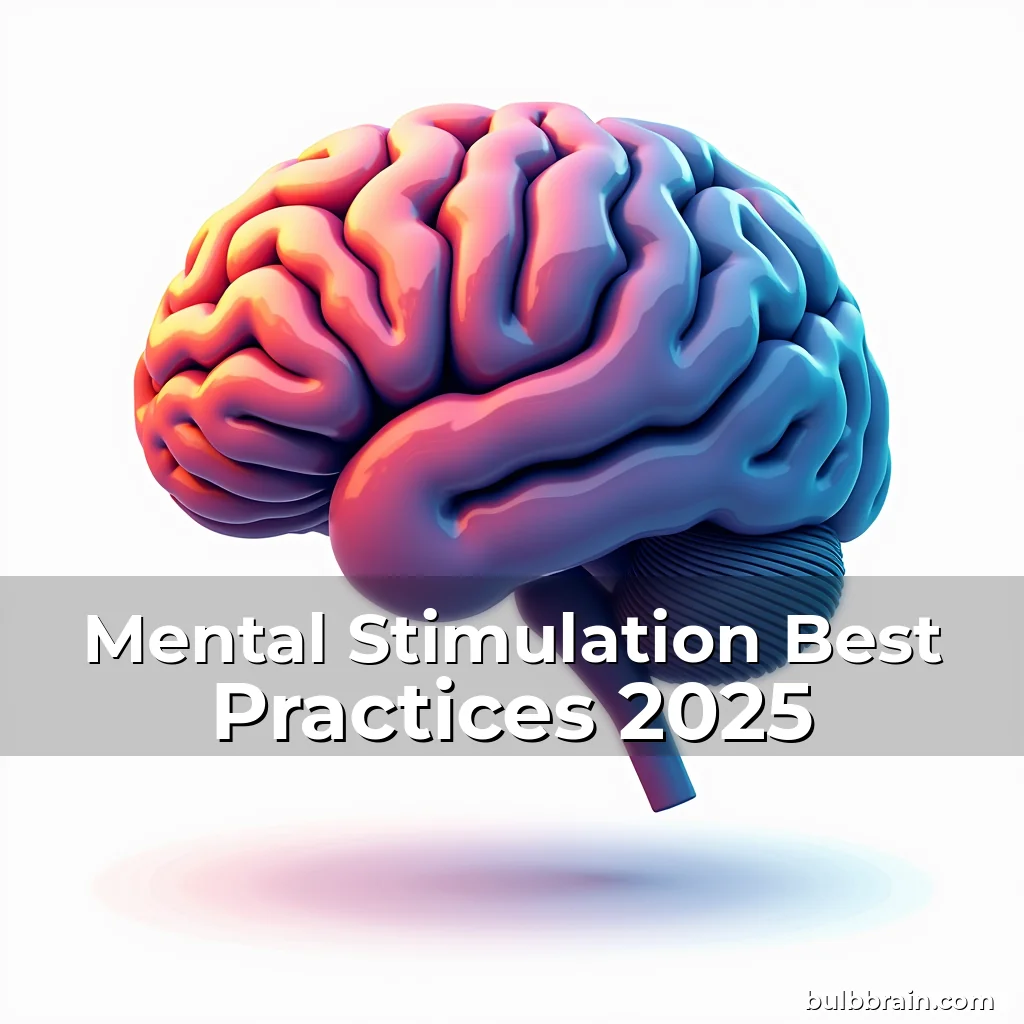
The Power of Mental Stimulation: Enhancing Cognitive Function through Engaging Activities
In today’s fast-paced world, maintaining peak brain function is essential for personal growth, professional success, and overall well-being. The concept of mental stimulation has evolved significantly over recent years, shifting from simple puzzles and crosswords to complex, multi-sensory experiences that engage various regions of our brains simultaneously.
With advancements in neuroplasticity research revealing how our brains adapt and rewire themselves based on external stimuli, there’s never been a better time to explore innovative ways to challenge and strengthen our cognitive abilities. This guide will delve into evidence-based strategies for maximizing mental engagement while keeping activities enjoyable and sustainable long-term.
Understanding Brain Plasticity and Its Role in Mental Engagement
Brain plasticity refers to the neurological ability of neurons to form new connections throughout life. This remarkable property allows us to learn new skills, recover from injuries, and continuously improve cognitive functions when exposed to novel experiences.
Research published in Nature Neuroscience shows that individuals who regularly engage in mentally stimulating activities exhibit increased gray matter density in areas responsible for memory consolidation and executive functioning. These findings underscore the importance of consistent mental exercise in preserving cognitive vitality across different age groups.
- Cognitive reserve: Regular mental challenges build up a neural buffer against age-related decline by creating alternative pathways for information processing
- Synaptic pruning: Stimulating environments promote efficient neural networks through natural elimination of less-used synaptic connections
- Dendritic branching: Complex tasks encourage neuronal trees to grow more extensive, enhancing information integration capabilities
By understanding these biological mechanisms, we can tailor our mental exercises to maximize their impact on brain development. Effective mental stimulation doesn’t merely involve passive consumption but requires active participation that triggers these beneficial physiological changes.
Strategies for Daily Cognitive Enrichment
A structured approach to daily mental enrichment involves integrating varied stimulus types into routine activities. Combining traditional learning methods with modern technology creates powerful synergies that enhance retention and application of knowledge.
For instance, pairing reading sessions with interactive quizzes using mobile apps transforms passive comprehension into active recall processes. Similarly, watching educational documentaries followed by discussion forums encourages deeper analytical thinking compared to solitary viewing alone.
The key lies in maintaining novelty within familiar contexts. Rotating between different disciplines – such as switching between mathematical problem-solving and creative writing exercises – prevents cognitive stagnation and keeps the mind agile.
Time management also plays a crucial role in effective mental stimulation. Allocating dedicated periods each day for focused intellectual pursuit ensures consistency without leading to burnout or diminished returns from overexertion.
Advanced Techniques for Intellectual Growth
High-level cognitive enhancement requires deliberate practice techniques grounded in scientific principles. One proven method involves spaced repetition systems, where information is reviewed at increasing intervals to optimize long-term retention.
This technique leverages the psychological phenomenon known as the spacing effect, which demonstrates that distributed study sessions yield superior results compared to cramming information in single concentrated bursts.
An example of its practical application would be studying vocabulary words with flashcards that gradually increase review frequency over weeks rather than attempting to memorize them all at once before a test.
Combined with interleaving – alternating between different topics during study sessions – these approaches create powerful frameworks for deepening understanding and improving transferability of learned material to real-world situations.
Leveraging Technology for Optimal Brain Health
Modern digital tools offer unprecedented opportunities for personalized mental training regimens. Specialized applications now provide adaptive difficulty levels that adjust based on individual performance metrics, ensuring continuous cognitive challenge without frustration.
Neurofeedback software represents another cutting-edge advancement, allowing users to monitor and regulate their own brainwave patterns in real-time. This self-regulation capability empowers individuals to train attentional control and emotional regulation through direct biofeedback loops.
Virtual reality platforms further expand possibilities by simulating immersive environments that require spatial awareness, decision-making under pres
However, it’s essential to maintain balance; excessive screen time may counteract some benefits by reducing face-to-face social interactions necessary for developing empathy and nuanced communication skills.
Nutritional Foundations for Cognitive Performance
While mental exercises are vital, they must be supported by appropriate nutrition to achieve optimal brain function. Omega-3 fatty acids found in oily fish have shown particular promise in promoting neuronal membrane flexibility and reducing inflammation associated with cognitive decline.
B-vitamins play an equally important role, especially B6, B9 (folic acid), and B12, which contribute to myelin sheath maintenance and neurotransmitter synthesis essential for smooth neural signaling.
Antioxidants from berries and dark chocolate protect brain cells from oxidative stress, while hydration remains fundamental for maintaining cerebral blood flow and preventing fatigue-induced lapses in concentration.
Timing of nutrient intake matters too; consuming protein-rich meals every three hours sustains steady glucose supply to the brain, whereas caffeine consumed strategically (not excessively) can temporarily boost alertness and reaction times.
Social Interactions as Cognitive Catalysts
Human connection serves as one of nature’s most potent stimulators of cognitive development. Conversations, debates, and collaborative projects stimulate divergent thinking and enhance perspective-taking abilities crucial for creativity and problem-solving.
Studies in social neuroscience reveal that meaningful interpersonal relationships activate reward centers in the brain similar to those engaged during pleasurable activities, reinforcing motivation for continued mental engagement through positive reinforcement.
Participating in group discussions or team-building exercises not only strengthens social bonds but also exposes individuals to diverse viewpoints that broaden cognitive horizons beyond isolated thinking patterns.
To fully harness this benefit, it’s recommended to seek out intellectually stimulating conversations rather than superficial small talk, ensuring mental workouts remain challenging yet rewarding.
Physical Exercise and Neural Fitness
Regular physical activity complements mental stimulation by enhancing neurogenesis – the creation of new neurons particularly in the hippocampus region linked to memory formation. Aerobic exercises like running or swimming appear most effective in this regard.
Resistance training also contributes to cognitive health by improving vascular function, which enhances oxygen delivery to brain tissues. This dual benefit of building muscle mass while sharpening mental acuity makes strength training an invaluable addition to any wellness regimen.
Yoga combines movement with mindfulness practices, offering a holistic approach to mental fitness through breath control techniques that reduce cortisol levels and improve working memory capacity.
The synergy between body and mind becomes evident when observing that physically fit individuals often demonstrate faster response times, improved mood regulation, and enhanced executive function capabilities compared to sedentary counterparts.
Creative Expression as Cognitive Fuel
Engaging in artistic pursuits provides unique forms of mental stimulation distinct from conventional academic exercises. Drawing, painting, music composition, and dance all activate specialized brain networks involved in motor coordination, pattern recognition, and emotional expression.
Creativity stimulates the prefrontal cortex while allowing free association in the default mode network, fostering innovation through unexpected connections between seemingly unrelated ideas. This dual activation pattern mirrors how breakthrough discoveries often occur through serendipitous observations.
Practicing improvisational arts cultivates flexible thinking by requiring spontaneous responses to unpredictable inputs, mirroring the dynamic problem-solving demands of everyday life. Such versatility translates directly into enhanced adaptability and resilience.
Moreover, creative endeavors serve as therapeutic outlets, helping manage stress hormones that could otherwise impair cognitive performance if left unchecked. This mind-body feedback loop reinforces the value of incorporating artistic exploration into regular mental workout routines.
Assessing Progress and Adjusting Strategies
Evaluating cognitive progress requires both subjective self-assessment and objective measurement tools. Keeping a journal of completed mental exercises along with noting improvements in task efficiency helps identify effective methodologies.
Cognitive screening tests administered periodically can quantify changes in memory span, processing speed, and problem-solving agility. Comparing baseline scores with follow-ups reveals whether current practices align with desired outcomes.
Data tracking via smartphone applications enables visualization of trends over time, making it easier to spot plateaus or regression that might indicate the need for strategy adjustments. Some programs even generate personalized recommendations based on user performance analytics.
If certain activities consistently fail to produce measurable gains, it’s wise to experiment with alternatives rather than persisting with ineffective methods. Flexibility in approach is itself a mark of strong cognitive adaptability.
Building Sustainable Habits for Long-Term Cognitive Health
Creating lasting habits around mental stimulation necessitates careful consideration of environmental factors influencing behavior patterns. Designating specific spaces for intellectual work fosters automatic associations between location and mental productivity.
Implementing micro-habits – starting with brief five-minute sessions before expanding duration gradually – reduces resistance to initiation while still providing substantial cognitive benefits through cumulative effort over time.
Pairing mental exercises with existing routines increases adherence rates; for example, solving math problems while waiting in line or listening to language podcasts during commutes seamlessly integrates learning into daily life without demanding additional time commitments.
Lastly, celebrating incremental achievements maintains intrinsic motivation by transforming abstract goals into tangible accomplishments, reinforcing positive associations with sustained mental engagement efforts.
Conclusion
The journey toward optimized cognitive function is multifaceted, encompassing technological utilization, nutritional support, social interaction, physical activity, creative expression, and habit formation. Each component interconnects to form a robust framework supporting lifelong mental agility.
By implementing these best practices thoughtfully and consistently, you’ll cultivate a resilient mind capable of meeting future challenges with confidence and creativity. Remember that mental stimulation isn’t about perfection but persistence in seeking ever-more-engaging ways to challenge your intellect.

news is a contributor at BulbBrain. We are committed to providing well-researched, accurate, and valuable content to our readers.
You May Also Like
About news
Passionate about learning, cognitive science, and helping people unlock their full potential.