
The Power of Mental Stimulation: Enhancing Cognitive Health Through Engaging Activities
In today’s fast-paced world, mental stimulation has become a cornerstone of cognitive health and personal development. It is essential for maintaining brain function, improving memory retention, and fostering creativity. As individuals navigate their daily lives filled with digital distractions, finding effective ways to stimulate the mind becomes increasingly vital.
Engaging in mentally stimulating activities can lead to significant improvements in overall well-being. These activities range from reading and puzzles to learning new skills and social interactions. By incorporating these practices into our routines, we can enhance our mental agility and resilience against age-related decline.
Understanding Mental Stimulation
Mental stimulation refers to any activity that engages the mind and challenges cognitive abilities. This concept encompasses various forms such as problem-solving tasks, creative endeavors, and interactive experiences. The goal is to promote neural plasticity—the brain’s ability to form new connections—and maintain optimal functioning over time.
Research indicates that consistent engagement in mentally stimulating activities correlates positively with improved cognitive performance across different age groups. For instance, studies have shown that older adults who regularly engage in complex tasks experience slower rates of cognitive decline compared to those who do not participate in similar activities.
Moreover, mental stimulation plays a crucial role in emotional regulation and stress management. When the brain is challenged through novel experiences or intellectual pursuits, it releases neurotransmitters associated with pleasure and reward, thereby enhancing mood and reducing anxiety levels.
There are several types of mental stimulations available depending on individual preferences and interests. Some common examples include:
- Cognitive Challenges: Puzzles, crosswords, chess games, and logic problems provide structured opportunities for critical thinking and pattern recognition.
- Learning New Skills: Acquiring knowledge in areas such as languages, music, programming, or crafts promotes neuroplasticity by forcing the brain to adapt to unfamiliar information processing methods.
- Social Engagement: Participating in group discussions, team sports, or volunteer work stimulates both cognitive functions related to communication and emotional intelligence while also building meaningful relationships.
- Creative Expression: Writing stories, painting pictures, composing songs, or dancing allows individuals to explore abstract ideas visually or musically, which activates diverse regions within the cerebral cortex responsible for imagination and innovation.
Each type offers unique benefits tailored towards specific goals; therefore, choosing activities aligned with personal passions increases motivation and long-term adherence to mental exercise regimens.
Why Mental Stimulation Matters for Brain Health
Brain health is not solely determined by genetics but significantly influenced by lifestyle choices including diet, physical activity, sleep quality, and most importantly, mental engagement. Regularly challenging oneself cognitively helps build up what psychologists refer to as ‘cognitive reserve’—a buffer against neurological diseases like Alzheimer’s and Parkinson’s.
This cognitive reserve acts similarly to how muscle mass develops during resistance training; every time we successfully complete a difficult task requiring attention span, concentration, or logical deduction, we strengthen underlying neuronal pathways making them more resilient against damage caused by aging processes or pathological conditions.
Furthermore, there exists substantial evidence linking high levels of education and occupational complexity with reduced risk factors for dementia later in life. Individuals exposed consistently throughout childhood until adulthood to rich environments promoting exploration, curiosity, and lifelong learning tend to exhibit greater resistance toward degenerative disorders affecting memory centers located primarily in hippocampal structures.
One notable study conducted at Harvard University revealed that people who engaged frequently in intellectually demanding jobs had approximately half the likelihood developing mild cognitive impairment than peers working less cognitively intensive roles. Such findings underscore the importance of keeping minds active even beyond formal schooling years.
The Role of Neurotransmitters in Cognitive Functioning
Dopamine, serotonin, norepinephrine—all key players in regulating moods, emotions, and decision-making capabilities—are heavily impacted by ongoing mental exercises. Stimulating the brain triggers release mechanisms behind these chemicals contributing directly to enhanced alertness, better focus, and increased satisfaction derived from accomplishing challenging objectives.
For example, solving intricate mathematical equations might elevate dopamine levels temporarily post-task completion, resulting in feelings akin to euphoria commonly described among mathematicians after breakthrough moments. Similarly, completing artistic projects could boost endorphin production leading to heightened sense of accomplishment regardless of skill level attained.
Consistent exposure to varied stimuli ensures continuous activation cycles involving multiple neurotransmitter systems ensuring balanced chemical composition necessary for stable mental states devoid of excessive fatigue or irritability often experienced following prolonged periods without adequate mental challenge.
Practical Strategies for Incorporating Mental Stimulation Into Daily Life
Integrating mental stimulation into everyday routines does not require drastic changes or specialized equipment. Simple yet effective strategies exist that anyone can implement based on availability of resources and personal schedules. Here are some practical approaches suitable for beginners aiming to establish foundational habits around cognitive enhancement:
Starting small proves beneficial when initiating any new behavior change especially concerning something intangible like mental acuity improvement. Dedicate ten minutes each morning before breakfast to read news articles summarizing current events globally. Alternatively, listen to educational podcasts during commute times instead of consuming passive entertainment options typically consumed via radio stations or streaming platforms.
Varying routine tasks adds unexpected elements capable of sparking interest where otherwise monotony may set in quickly. Instead of always taking same route home from office, try exploring alternative paths discovering hidden gems along way—new cafes, parks, art installations—each encounter serves dual purpose serving local discovery alongside subtle cognitive workout required navigating unknown territory safely efficiently.
Setting aside dedicated blocks weekly focused entirely upon self-improvement initiatives provides structure needed sustaining momentum behind habit formation process. Allocate Saturday mornings exclusively towards tackling online courses covering subjects previously deemed too daunting due largely perceived difficulty rather than actual potential value they hold personally professionally speaking.
Joining clubs centered around hobbies fosters community spirit simultaneously exercising higher order thinking skills involved organizing meetings planning agendas coordinating logistics amongst members sharing mutual interests. Whether joining book club discussing latest literary works published recently or participating photography workshops learning techniques mastering camera operations, all contribute meaningfully towards maintaining sharp intellects ready迎接 future challenges ahead confidently.
Technology and Mental Stimulation: A Double-Edged Sword
Modern technology presents unprecedented accessibilities enabling users worldwide connect instantly share information collaborate remotely accomplish feats once considered impossible decades ago. However, its impact regarding mental stimulation remains contentious debate subject extensive research efforts aimed clarifying nuanced relationship existing between screen-based interactions versus traditional hands-on engagements traditionally favored educators therapists alike.
Smartphones tablets computers laptops facilitate instant gratification through gaming applications designed specifically target cognitive domains including spatial awareness reaction speed strategic planning etcetera. While seemingly advantageous offering convenience accessibility portability features allowing anytime anywhere participation, concerns arise concerning diminishing returns associated repetitive nature many digital formats lacking sufficient depth complexity required triggering profound lasting effects observed real-world scenarios.
To maximize benefits reaped from technological tools while minimizing drawbacks inherent thereof requires conscious effort implementing deliberate balance favoring mixed modalities incorporating both virtual simulations alongside tangible experiential learning methodologies. Combining VR headsets used practicing surgical procedures virtually followed hands-on practice under supervision exemplifies ideal synthesis leveraging strengths weaknesses respective mediums effectively.
Additionally, setting boundaries around screen usage particularly among younger demographics proves instrumental preventing overreliance forming dependency issues detrimental long-term developmental trajectories. Encouraging offline alternatives whenever possible ensures holistic growth encompassing physical motor coordination visual perception auditory discrimination tactile sensitivity alongside verbal articulation skills equally important aspects integral whole-person wellness paradigm.
Creating a Personalized Mental Stimulation Plan
Designing personalized plans caters uniquely identified needs aspirations desires residing within individuals seeking meaningful enhancements towards cognitive capacities. Begin by assessing baseline proficiency levels across various categories determining areas requiring immediate attention versus those already strong enough warranting advanced pursuit further mastery.
Consider allocating time frames appropriately reflecting priorities assigned particular activities ensuring sustainability avoiding burnout risks associated pushing excessively hard too soon. Gradual progression enables body mind adjust gradually adapting incrementally increasing intensity frequency duration accordingly attaining desired outcomes organically rather forcefully imposing unrealistic expectations likely result premature abandonment efforts altogether.
Selecting preferred modes delivery significantly influences success rate maintained consistency achieved over extended durations. Preference towards solitary versus communal settings affects choice made whether opting meditation sessions alone versus attending mindfulness retreats collectively experiencing guided meditations led experts facilitating deeper introspection self-awareness cultivation.
Regular evaluation intervals help track progress measure effectiveness identifying adjustments needed recalibrating course according evolving circumstances changing goals emerging opportunities presenting themselves unexpectedly opening doors unanticipated directions potentially more rewarding fulfilling ultimately.
Nutrition and Its Impact on Cognitive Performance
Adequate nutrition forms fundamental pillar supporting robust mental faculties essential executing complex thought processes efficiently accurately reliably. Nutrient-dense diets supplying antioxidants omega-3 fatty acids B vitamins choline magnesium zinc play pivotal roles safeguarding neurons repairing damaged tissue reinforcing synaptic connections strengthening memory consolidation recall functions crucial everyday living.
Fish consumption particularly oily varieties salmon sardines mackerel delivers abundant quantities EPA DHA essential components constructing myelin sheaths coating nerve fibers accelerating signal transmission speeds throughout central nervous system thereby enhancing responsiveness quickening reflexes sharpening perceptual clarity.
Leafy greens broccoli spinach kale contain folate vitamin K phytochemicals aiding prevention vascular damage reducing inflammation promoting healthy blood flow necessary delivering oxygen nutrients brain cells depend upon functioning optimally. Berries strawberries blueberries raspberries loaded anthocyanins flavonoids combat oxidative stress shielding delicate cellular structures vulnerable free radical attacks compromising integrity structural stability over time.
Hydration status profoundly affects cognitive efficiency hydration deficits impair concentration cloud judgment distort temporal orientation inducing symptoms resembling early stages dementia prematurely. Ensuring regular intake fluids throughout day prevents dehydration episodes mitigates negative consequences impacting productivity negatively influencing mood adversely altering behavioral patterns unpredictably.
Physical Exercise and Cognitive Enhancement
While often overlooked aspect cognitive enhancement narrative, physical exertion exerts considerable influence shaping mental acuity indirectly through physiological mechanisms governing cardiovascular fitness metabolic regulation hormonal fluctuations interlinked closely with neural networks orchestrating thoughts feelings actions seamlessly integrated together cohesively.
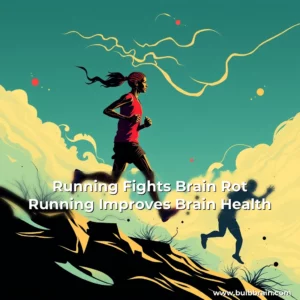
Aerobic workouts jogging cycling swimming hiking increase heart rate circulation pumping nutrient-rich blood carrying glucose oxygen reaching brain tissues rapidly replenishing energy stores fueling intense mental labor required sustaining prolonged focus endurance necessary undertaking rigorous academic professional obligations routinely encountered modern society.
Resistance training weightlifting calisthenics Pilates enhances muscular strength bone density concurrently activating growth hormone release promoting neurogenesis proliferation newborn neurons particularly concentrated hippocampus region implicated memory encoding retrieval processes central learning retention phenomena universally recognized critical pillars intellectual advancement.
Yoga combines physical movement controlled breathing mindful meditation producing synergistic effects calming hyperactive sympathetic nervous system restoring equilibrium parasympathetic dominance conducive restorative recovery periods essential rejuvenation maintaining peak performance levels consistently over months years.
The Social Aspect of Mental Stimulation
Human beings possess innate need connecting socially interacting collaboratively exchanging ideas perspectives experiences cultivating friendships communities belongingness reinforcing identity constructs defining existence itself. Social interaction inherently involves cognitive demands interpreting nonverbal cues deciphering ambiguous language negotiating conflicts resolving misunderstandings requiring flexible thinking adaptive responses tailoring communications appropriately situational contexts.
Participation in group activities like board game nights puzzle competitions trivia quizzes necessitates cooperation strategy analysis prediction outcomes balancing competitive instincts collaborative ethos simultaneously exercising analytical reasoning interpersonal skills empathy understanding others’ viewpoints fostering inclusive environment encouraging open-mindedness embracing diversity respecting differences enriching collective wisdom pool shared knowledge base continuously expanding horizons possibilities.
Volunteering contributes immensely towards mental engagement offering purposeful direction channeling energies constructively benefiting marginalized populations uplifting spirits simultaneously invigorating volunteers emotionally spiritually morally through altruistic deeds performed selflessly without expectation reciprocated kindnesses received indirectly bolstered confidence self-worth reinforced intrinsic values instilled early childhood carried forward adulthood.
Attending cultural events concerts exhibitions lectures seminars exposes attendees multicultural narratives historical milestones scientific discoveries philosophical doctrines broadening worldview appreciating humanity’s vast tapestry woven countless threads representing distinct traditions beliefs customs intertwined harmoniously creating mosaic celebrating unity amidst plurality.
Overcoming Common Barriers to Mental Stimulation
Despite numerous proven advantages stemming from sustained mental engagement, many individuals struggle initiating maintaining consistent routines due multifaceted barriers impeding progress hindering achievement intended goals. Identifying root causes addressing them systematically empowers overcoming obstacles transforming limitations into stepping stones propelling forward momentum relentlessly pursuing excellence continually striving surpass previous benchmarks established earlier phases development journey.
Lack motivation frequently cited reason abandoning promising ventures prematurely failing recognizing significance invested time effort yielding dividends visible only after lengthy commitment period. Cultivating intrinsic drive aligning chosen activities personal passions values ensures enjoyment derived process itself rather than merely chasing external validation rewards contingent upon third-party approval ratings metrics quantifiable achievements measurable outputs.
Time constraints pose another formidable hurdle restricting opportunities partaking mentally stimulating endeavors. Prioritization techniques time blocking scheduling appointments calendar reminders serve useful tools optimizing limited hours maximizing utilization achieving optimal balance between obligations leisure pursuits nurturing mind-body connection essential wellbeing holistically.
Financial considerations sometimes deter participation certain programs requiring membership fees subscriptions exclusive access premium content. Exploring complimentary alternatives public libraries free online courses community center offerings reduces economic burden enabling broader demographic reach inclusivity ensuring equitable distribution resources irrespective socioeconomic backgrounds.
Measuring Progress and Adjusting Your Strategy
Evaluating effectiveness implemented strategies crucial gauging success measuring impact informing decisions modifying approaches accordingly ensuring continued improvement trajectory aligned overarching objectives initially envisioned. Establishing clear criteria benchmarking standards facilitates objective assessment comparing present standings past performances pinpointing areas needing refinement adjustment.
Tracking quantitative indicators such as completed tasks accumulated knowledge gained skill proficiency levels attained offers concrete data illustrating advancements made over specified timeframe. Utilizing journals logs spreadsheets software applications aids organization recording observations enabling easy reference revisiting reflections upon reviewing entries periodically.
Qualitative assessments involve subjective evaluations focusing internal sensations perceptions changes noticed firsthand experiencing heightened clarity sharper focus stronger retention abilities easier comprehension complex material previously overwhelming. Reflective practices meditation journaling conversations mentors peers yield insightful feedback guiding navigation through murky waters uncertainty confusion arising mid-journey.
Flexibility remains paramount characteristic successful adaptation strategies. Recognizing when sticking rigid plan counterproductive shifting tactics experimenting variations keeps experimentation alive preventing stagnation fostering innovation discovering novel solutions previously undervalued overlooked owing conventional wisdom traditions ingrained deeply societal norms.
Conclusion
Mental stimulation stands out as powerful tool empowering individuals elevate cognitive potentials unlocking latent talents previously dormant awaiting opportune moment realization. Through deliberate incorporation diverse activities targeting multiple facets intelligence—logical reasoning creative expression emotional intelligence social cognition—people cultivate versatile skill sets applicable myriad situations encountered throughout lifetimes.
By remaining vigilant regarding obstacles proactively devising contingency measures adjusting course dynamically responding fluidly evolving circumstances, everyone possesses capability sustain vibrant minds enriched continual learning exploration discovery. Embracing this philosophy transforms mundane routines extraordinary adventures brimming infinite possibilities waiting patiently unveiled one courageous step taken today!

news is a contributor at BulbBrain. We are committed to providing well-researched, accurate, and valuable content to our readers.
You May Also Like
About news
Passionate about learning, cognitive science, and helping people unlock their full potential.