
The Mindful Path to Intellectual Expansion: Cultivating Curiosity in Everyday Life
In an era where information is abundant yet attention spans are fleeting, intellectual growth has become both essential and elusive. The modern landscape demands continuous learning, critical thinking, and adaptability—skills that can be nurtured through intentional practice.
This exploration delves into practical strategies for expanding cognitive horizons without requiring vast resources or time commitments. By redefining what constitutes meaningful mental development, we uncover pathways that align with busy lifestyles while fostering genuine intellectual enrichment.
Fueling Cognitive Development Through Daily Habits
Achieving sustained intellectual progress begins with cultivating consistent routines that prioritize mental engagement. This doesn’t require grand gestures but rather small, deliberate actions integrated into everyday life.
Simple habits such as setting aside 15 minutes daily for deep reading significantly enhance vocabulary and comprehension skills. Similarly, maintaining a journal encourages reflective thinking by prompting individuals to articulate thoughts clearly and critically evaluate their own perspectives.
- Morning reflection: Spend five minutes contemplating three things you learned yesterday and how they relate to your current goals.
- Noon curiosity boost: Choose one unfamiliar concept from your workday and research its implications briefly using credible sources.
- Evening review: Summarize today’s most impactful idea in two sentences and identify connections to prior knowledge.
Reframing Challenges as Opportunities for Mental Growth
Traditional views often position challenges solely as obstacles, but shifting perspective transforms them into catalysts for cognitive advancement. Embracing discomfort fosters resilience and expands problem-solving capabilities.
When faced with difficult tasks, adopt a mindset focused on process over outcome. Instead of fixating on immediate success, concentrate on understanding underlying principles. This approach cultivates perseverance and enhances long-term retention.
Cognitive Benefits of Overcoming Obstacles
Neuroscientific studies reveal that tackling complex problems strengthens neural pathways associated with executive function. These include improved decision-making abilities, enhanced working memory capacity, and increased emotional regulation skills.
Moreover, persistent effort in overcoming challenges leads to greater self-efficacy—the belief in one’s ability to succeed—which correlates strongly with continued academic and professional achievement across various domains.
Cultivating Interdisciplinary Thinking Patterns
Modern intellectual development thrives on connecting diverse fields of knowledge. Rather than siloed expertise, cross-disciplinary approaches foster innovative solutions and deeper understanding.
To develop interdisciplinary thinking, intentionally seek intersections between areas of interest. For example, someone studying economics might explore psychological theories behind consumer behavior to gain new analytical lenses.
Strategies for Building Cross-Disciplinary Skills
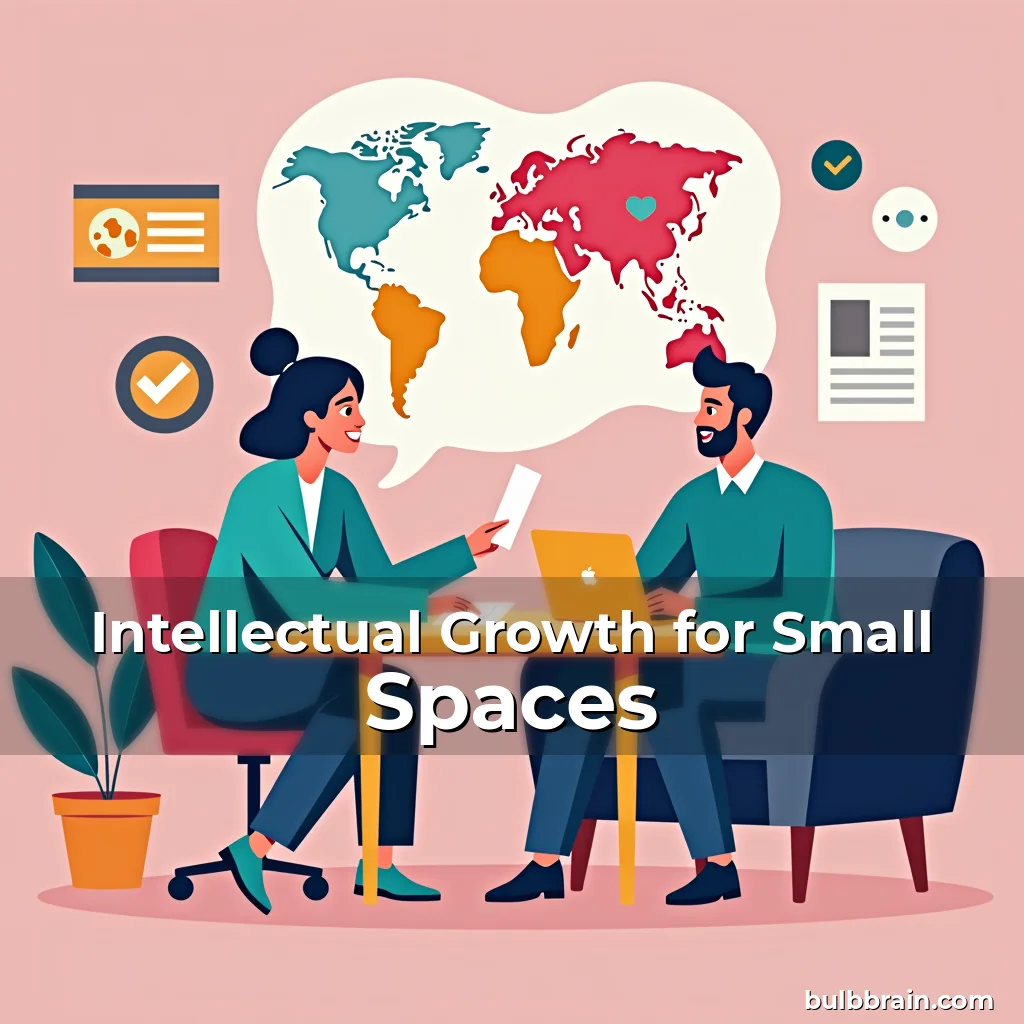
Create personal knowledge maps linking different subjects together visually. This technique helps identify unexpected relationships between seemingly unrelated topics and stimulates creative thinking patterns.
Participate in collaborative projects involving people from varied backgrounds. Such interactions expose participants to alternative viewpoints and methodologies, broadening overall cognitive flexibility.
Leveraging Technology for Targeted Learning
Digital tools offer unprecedented access to specialized knowledge while enabling personalized learning journeys tailored to individual needs and preferences.
Curated online courses provide structured learning experiences at flexible paces, allowing learners to master specific competencies efficiently. Interactive platforms also facilitate immediate application of newly acquired knowledge through real-time feedback mechanisms.
Selecting Quality Educational Resources
Establish clear criteria when choosing digital learning materials. Prioritize platforms offering peer-reviewed content, expert endorsements, and measurable skill outcomes. Verify credentials of instructors and assess alignment with established educational standards.
Consider combining formal coursework with informal learning channels like podcasts, webinars, and discussion forums. This blended approach maximizes exposure to multiple teaching styles and reinforces conceptual understanding through varied modalities.
Nurturing Critical Thinking Through Questioning Practices
At the heart of intellectual growth lies the ability to ask insightful questions that drive deeper inquiry and challenge assumptions. Developing questioning techniques sharpens analytical skills and promotes independent thought.
Implement Socratic dialogue methods during routine conversations. Ask open-ended questions that require elaboration rather than simple yes/no responses. This habit trains the mind to engage deeply with ideas and consider multiple perspectives simultaneously.
Question Types That Stimulate Deep Thinking
Use probing questions beginning with “how,” “why,” and “what if.” These question stems encourage examination of causes, effects, and potential alternatives. For instance, asking “How might this situation change if…” prompts consideration of variables influencing outcomes.
Practice evaluating the validity of claims before accepting them as true. Challenge assertions by seeking evidence, identifying biases, and exploring counterarguments—a process known as dialectical thinking which strengthens logical reasoning abilities.
Balancing Knowledge Acquisition With Emotional Intelligence
True intellectual growth extends beyond factual accumulation; it requires harmonizing cognitive pursuits with emotional awareness. Understanding emotions influences how effectively knowledge is processed and applied.
Develop metacognition by regularly reflecting on learning experiences. Note how emotions affected comprehension levels during study sessions. Recognize that frustration may indicate important gaps in understanding worth investigating further.
Emotional Regulation Techniques for Learners
Employ mindfulness practices to manage stress related to challenging material. Brief meditation exercises before intense study periods help maintain focus and reduce anxiety that could hinder effective learning processes.
Build resilience by reframing setbacks as temporary hurdles rather than permanent failures. This cognitive restructuring enables persistence despite difficulties and maintains motivation toward long-term intellectual objectives.
Creating Sustainable Intellectual Habit Loops
Lasting intellectual development relies on establishing sustainable behavioral patterns that integrate seamlessly into daily routines. Effective habit formation follows predictable neurological pathways that reinforce consistency over time.
Begin with micro-habits—tiny actions so easy they cannot fail—that gradually build up to larger behaviors. A single sentence written each day about something intriguing creates momentum for future explorations without overwhelming commitment requirements.
Designing Successful Habit Structures
Anchor new habits to existing routines using the habit stacking method. Pair novel learning activities with established behaviors like brushing teeth or having morning coffee. This association leverages familiarity to increase likelihood of adherence.
Track progress visibly through journals or apps designed specifically for habit tracking. Visual confirmation of achievements provides reinforcement necessary to sustain motivation and maintain long-term commitment to intellectual growth initiatives.
Engaging With Diverse Perspectives Through Dialogue
Meaningful intellectual expansion occurs through active exchange of ideas with others who hold differing opinions. Constructive debate sharpens argumentative skills and exposes blind spots previously unrecognized.
Seek out communities where respectful disagreement is valued as much as consensus. Online forums, local meetups, and professional networks all serve as venues for exchanging viewpoints safely within agreed-upon boundaries.
Tips for Productive Conversations About Complex Topics
Approach discussions with genuine curiosity rather than preconceived notions. Listen actively to understand opposing positions fully before responding. This attentiveness builds mutual respect and facilitates more productive exchanges.
Use “I statements” to express personal interpretations instead of making absolute declarations. Phrases like “I perceive this issue differently because…” promote openness while minimizing defensiveness in interlocutors.
Conclusion
Intellectual growth is a dynamic journey characterized by continuous discovery and adaptation. It involves developing versatile cognitive skills applicable across various contexts and situations encountered in daily life.
By implementing these strategies consistently, individuals cultivate enduring intellectual agility that enriches both personal fulfillment and professional effectiveness. Remember, every step taken towards deeper understanding contributes meaningfully to lifelong learning and holistic human development.

news is a contributor at BulbBrain. We are committed to providing well-researched, accurate, and valuable content to our readers.
You May Also Like

About news
Passionate about learning, cognitive science, and helping people unlock their full potential.