
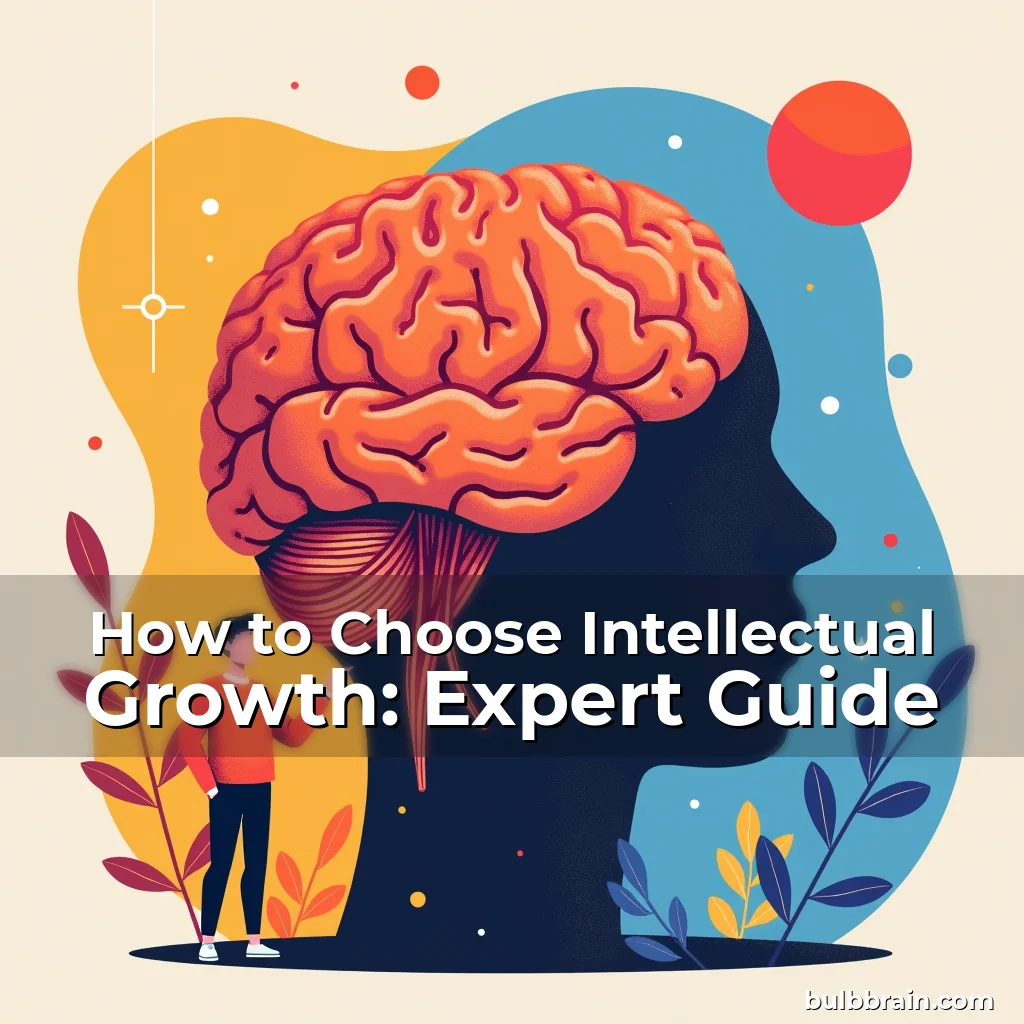
The Pathway to Purposeful Intellectual Growth: A Journey Through Curiosity and Discipline
In an age where information is abundant yet attention spans are fleeting, cultivating intellectual growth has become both essential and challenging. It requires deliberate effort beyond passive consumption of knowledge.
This guide explores how individuals can develop meaningful intellectual habits that lead to lasting cognitive development through structured learning approaches, critical thinking practices, and continuous self-reflection.
Fostering Cognitive Agility Through Structured Learning
Cognitive agility refers to the brain’s ability to adapt to new situations and think flexibly across different domains. This mental flexibility forms the foundation for sustained intellectual progress.
Structured learning environments provide the necessary framework for developing these skills by establishing clear objectives and systematic methods of acquisition. Unlike random exposure to information, organized study plans ensure deeper understanding and better retention.
For example: A learner studying mathematics might follow a curriculum from basic arithmetic to advanced calculus rather than randomly selecting topics based on immediate interest.
Research shows that students who engage in structured learning programs demonstrate improved problem-solving abilities compared to those relying solely on informal education methods.
- A well-defined syllabus helps maintain consistency in learning
- Regular assessments track progress effectively
- Scheduled revision sessions reinforce memory consolidation
Maintaining discipline in following these structures is crucial even when motivation wanes. The long-term benefits far outweigh temporary discomforts associated with rigorous study routines.
Nurturing Critical Thinking Skills
Critical thinking is the cornerstone of any serious pursuit of intellectual growth. It involves analyzing information objectively and making reasoned judgments rather than accepting ideas at face value.
To cultivate these skills, learners must practice questioning assumptions, evaluating evidence, and identifying logical fallacies in various contexts. These exercises sharpen analytical capabilities significantly.
Engaging with diverse viewpoints challenges preconceived notions and broadens perspectives. Reading works from opposing ideological positions fosters intellectual humility and open-mindedness.
Participating in debates or discussion forums provides practical opportunities to apply critical thinking principles. Constructive disagreement helps refine argumentation techniques.
Developing metacognition—the awareness of one’s own thought processes—is equally vital. Regularly reflecting on decision-making patterns reveals biases and areas needing improvement.
Building Knowledge Networks Across Disciplines
Intellectual growth thrives on interdisciplinary connections between seemingly unrelated fields. Understanding how physics relates to economics or biology to philosophy creates richer conceptual frameworks.
Creating personal knowledge maps visually represents these relationships. Mapping out how different subjects interconnect enhances comprehension and sparks innovative solutions to complex problems.
Experts often attribute breakthrough discoveries to unexpected intersections between disciplines. For instance, computer science and neuroscience have converged to create groundbreaking advancements in artificial intelligence.
Actively seeking out cross-disciplinary resources—such as books, podcasts, or online courses—expands intellectual horizons dramatically. Diversifying sources ensures balanced understanding without tunnel vision.
The Role of Continuous Self-Assessment
Ongoing evaluation is essential for tracking intellectual progress and adjusting strategies accordingly. Setting measurable goals allows individuals to monitor their development systematically.
Keeping a reflective journal documenting daily learning experiences offers valuable insights into what methods work best. Identifying patterns over time highlights effective study techniques worth maintaining.
Seeking feedback from mentors or peers provides objective evaluations that help identify blind spots. External perspectives reveal aspects of growth that may go unnoticed internally.
Using standardized tests or competency assessments benchmarks skill levels against established criteria. This data-driven approach enables precise tracking of improvements over time.
Embracing Lifelong Learning Mindset
Lifelong learning transforms education from a phase of life into an ongoing process that enriches every stage. Adopting this mindset fosters resilience against obsolescence in rapidly changing professional landscapes.
Modern technology provides unprecedented access to educational materials. Online platforms offer specialized micro-courses covering niche subjects previously inaccessible to most people.
Pursuing credentials through formal institutions remains valuable but should complement—not replace—independent exploration of interests. Balancing structure with autonomy maximizes learning potential.
Joining communities centered around shared academic pursuits creates supportive networks that sustain motivation during challenging phases of learning journeys.
Cultivating Intellectual Humility and Open-Mindedness
True intellectual growth requires acknowledging limitations and being receptive to correction. Embracing uncertainty prevents stagnation caused by rigid adherence to fixed beliefs.
Humility manifests in willingness to revise opinions when presented with compelling evidence. Remaining open to alternative explanations avoids confirmation bias pitfalls.
Exposure to cultures vastly different from one’s own expands worldviews considerably. Engaging with global issues encourages empathy and contextual understanding.
Daily reflection on instances where previous convictions proved incorrect builds psychological flexibility. Recognizing errors as natural parts of learning reduces defensiveness toward criticism.
Strategies for Maintaining Motivation
Sustained intellectual engagement demands consistent motivation management. Finding intrinsic rewards within learning processes makes continued pursuit feel purposeful rather than burdensome.
Varying study formats keeps routine interesting. Alternating between reading textbooks, watching documentaries, and participating in hands-on experiments maintains engagement levels.
Setting achievable milestones creates a sense of accomplishment along the journey. Celebrating small victories reinforces positive associations with learning activities.
Connecting studies to real-world applications demonstrates relevance. Understanding practical implications increases investment in mastering theoretical concepts.
Overcoming Common Obstacles
Identifying barriers early facilitates proactive solutions. Time constraints, lack of direction, and external distractions commonly hinder consistent intellectual development.
Implementing time-blocking techniques allocates dedicated periods for focused study without competing priorities. Prioritization matrices help filter tasks by urgency and importance.
Establishing accountability systems—like study partners or mentorship programs—creates social incentives for regular engagement. Shared responsibility boosts commitment levels.
Designing distraction-free environments minimizes interruptions during study sessions. Digital tools such as website blockers aid concentration significantly.
Measuring Success Beyond Traditional Metrics
Evaluating intellectual growth shouldn’t rely solely on grades or certifications. Subjective indicators reflect authentic development in ways quantitative measures often miss.
Increased curiosity about unfamiliar topics signals expanding intellectual boundaries. Seeking out obscure facts becomes second nature as cognitive appetite grows.
Improved ability to synthesize complex information indicates enhanced comprehension skills. Connecting disparate concepts effortlessly marks significant cognitive maturity.
Greater tolerance for ambiguity reflects matured thinking styles. Comfort with uncertainty replaces fear-based reactions to unknown information.
Conclusion
Intellectual growth is a dynamic lifelong endeavor requiring intentionality, persistence, and openness to change. By adopting structured learning approaches while remaining flexible enough to embrace new methodologies, individuals can continually evolve intellectually.
The key lies in balancing disciplined study with exploratory inquiry, ensuring each learning experience contributes meaningfully to overall cognitive development. With consistent application of these principles, anyone can transform their intellectual capacities in profound ways.
“`

news is a contributor at BulbBrain. We are committed to providing well-researched, accurate, and valuable content to our readers.
You May Also Like
About news
Passionate about learning, cognitive science, and helping people unlock their full potential.