
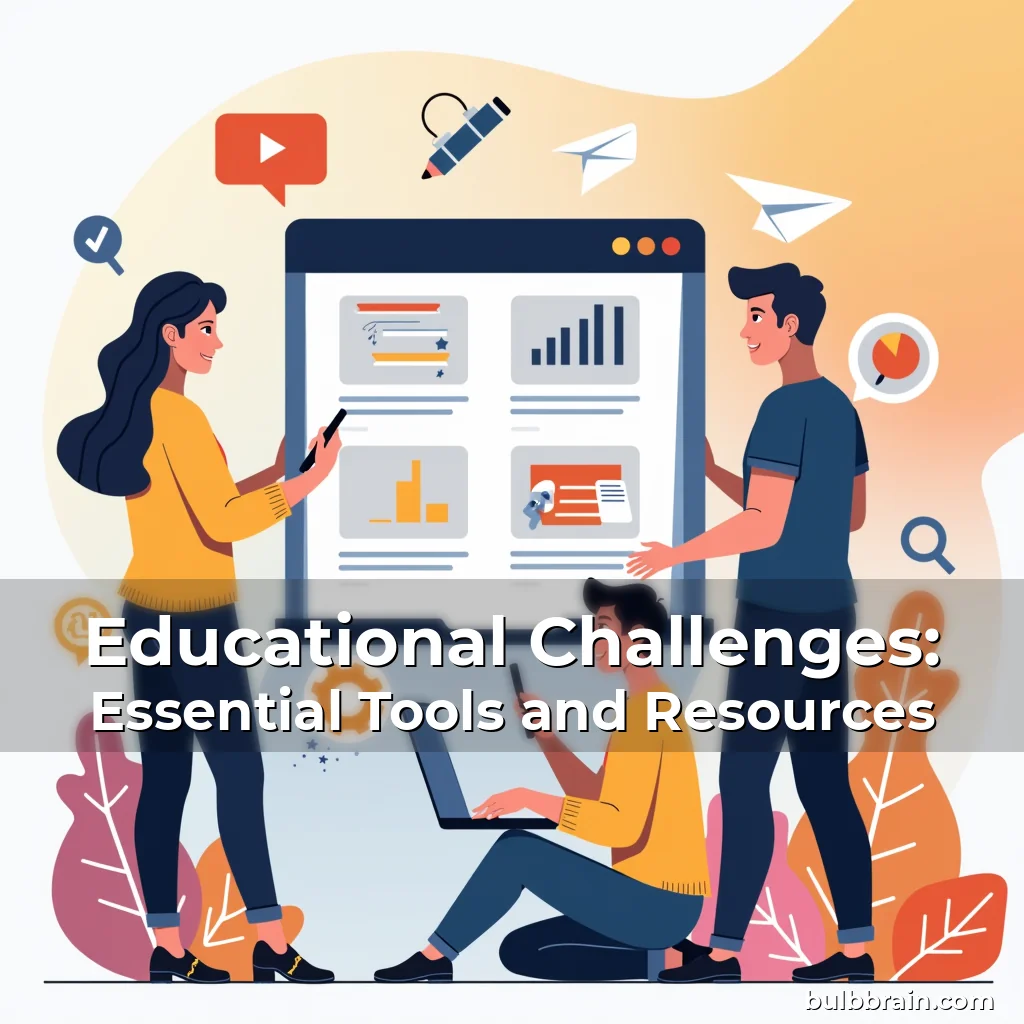
Educational Challenges: Navigating Obstacles in Modern Learning Environments
In today’s rapidly evolving world, educational systems face unprecedented challenges that impact learners and institutions alike. From technological barriers to resource limitations, addressing these issues requires innovation, empathy, and strategic planning.
The global shift toward digital learning has exposed critical gaps in infrastructure and access, while mental health concerns among students have grown alongside academic pressures. Understanding and solving these challenges can redefine the future of education.
Access to Quality Education: Bridging Geographic and Economic Gaps
One of the most pressing educational challenges is unequal access to quality learning opportunities. Students in rural areas often lack the same facilities, teacher training, and curriculum resources available in urban centers.
Economic disparities further compound this issue, limiting families’ ability to afford tutoring, extracurricular activities, or even basic school supplies. This creates a cycle of disadvantage that persists across generations.
- District funding imbalances: Schools in low-income regions frequently receive less government support, affecting classroom sizes, technology availability, and program offerings.
- Limited transportation options: Many students struggle to reach well-equipped schools due to inadequate public transit systems or unsafe travel conditions.
Solutions like mobile classrooms, virtual learning platforms, and community-based tutoring initiatives offer hope for narrowing these gaps, though implementation remains inconsistent globally.
Technological Integration: Balancing Innovation with Equity
The rise of digital learning tools has transformed education, but not all students benefit equally. While some thrive in tech-driven environments, others face significant hurdles related to device access and internet connectivity.
This phenomenon, known as the digital divide, disproportionately affects marginalized groups. A student without reliable Wi-Fi or a functioning laptop risks falling behind peers who can seamlessly engage with online coursework.
Efforts to distribute devices, subsidize internet costs, and train educators in digital pedagogy are essential. Yet these measures require sustained investment and policy coordination to achieve lasting change.
The Cost of Connectivity
According to UNESCO, over 38% of households worldwide lack stable internet access, hindering remote learning efforts during crises like pandemics. Even when connectivity exists, many cannot afford data plans or hardware upgrades.
Schools have responded creatively by setting up Wi-Fi hotspots, loaning tablets, and offering offline versions of learning materials. These temporary fixes highlight the urgency of permanent infrastructure improvements.
Mental Health Challenges: Supporting Emotional Resilience
Modern students grapple with rising rates of anxiety, depression, and stress disorders linked to academic pres Educators are increasingly tasked with recognizing and addressing these psychological struggles.
Traditional grading systems and rigid curricula may exacerbate feelings of inadequacy. Incorporating mindfulness practices, flexible deadlines, and peer support networks can create healthier learning atmospheres.
Counseling services remain underfunded in many districts, leaving students without adequate emotional support. Integrating mental health education into core subjects can empower young people to prioritize self-care.
Teacher Shortages and Burnout: Strengthening Educational Leadership
A shortage of qualified teachers continues to plague schools, particularly in STEM fields and special education. This deficit strains existing staff and limits personalized attention for struggling students.
High workloads, administrative burdens, and insufficient pay contribute to widespread educator burnout. Nearly 50% of U.S. teachers report chronic stress, according to recent studies.
- Recruitment incentives: Competitive salaries, housing assistance, and debt forgiveness programs could attract new talent to underserved roles.
- Professional development: Regular workshops on trauma-informed teaching and innovative instructional methods can rejuvenate educators’ motivation.
Fostering mentorship programs and reducing non-teaching duties allow instructors to refocus on what matters most—their students’ growth and success.
Curriculum Relevance: Preparing Learners for an Uncertain Future
Many traditional curriculums lag behind industry trends, failing to equip students with skills demanded in modern workplaces. Proficiency in coding, data literacy, and creative problem-solving is increasingly vital yet often overlooked.
At the same time, standardized testing dominates assessment models, discouraging critical thinking and curiosity. Shifting to project-based learning and real-world applications could better align education with career readiness.
Governments and schools must collaborate with businesses to update syllabi regularly. Internships, apprenticeships, and industry partnerships provide hands-on experiences complementary to classroom instruction.
Global Perspectives on Curricular Reform
Countries like Finland emphasize creativity and student autonomy over rote memorization, resulting in consistently high performance metrics. Adopting similar frameworks could enhance engagement and outcomes globally.
However, cultural contexts shape what constitutes “relevant” education. Policymakers must balance universal skill sets with locally pertinent knowledge, such as indigenous languages or regional environmental challenges.
Inclusive Education: Removing Barriers for All Learners
Students with disabilities, language barriers, or neurodiverse conditions deserve equitable treatment within classrooms. Yet systemic biases and inaccessible design still hinder their progress.
While laws like IDEA mandate inclusive practices in the U.S., implementation varies widely. Classrooms may lack sensory-friendly spaces, assistive technologies, or trained staff to support diverse learners effectively.
- Universal Design for Learning (UDL): Implementing flexible teaching strategies ensures materials and assessments accommodate varying abilities without requiring extensive individual modifications.
- Bilingual education: Providing language support helps immigrant students integrate academically while preserving cultural identity.
Promoting awareness through anti-discrimination campaigns and investing in specialized training for educators fosters genuinely inclusive environments.
Funding Constraints: Allocating Resources Wisely
Limited budgets force difficult choices regarding textbooks, facility maintenance, and staffing. Schools often prioritize immediate needs over long-term investments in sustainability and technology.
Prioritizing cost-effective innovations—such as open-access course materials or shared resource hubs—can stretch funds further. Crowdfunding platforms also enable communities to pool resources for targeted projects.
Transparent budgeting processes involving input from parents, teachers, and students increase accountability. Public-private partnerships present opportunities for supplementing government allocations without compromising independence.
Community Engagement: Building Strong School Networks
Active parental involvement correlates strongly with student achievement. However, working-class families and those facing language barriers often feel excluded from decision-making processes.
Creating volunteer programs, multilingual communication channels, and accessible meeting formats empowers broader participation. Local businesses can sponsor events, donate supplies, or offer internship placements.
Community-led initiatives, such as after-school enrichment clubs or neighborhood study groups, extend educational support beyond formal settings. Fostering trust between schools and residents strengthens collective commitment to learning goals.
Environmental Challenges: Sustainable Practices in Education
Climate change introduces novel obstacles, including extreme weather disrupting school operations and heightened health risks from air pollution. Addressing these ecological threats requires proactive adaptation strategies.
Green schools—those incorporating energy-efficient designs, waste reduction programs, and environmental education—are emerging as models for sustainable practice. Their benefits extend far beyond climate resilience.
Teaching younger generations about conservation builds lifelong habits crucial for planetary stewardship. Simultaneously, reduced utility costs save financial resources for other priorities.
Conclusion
Educational challenges are multifaceted, ranging from socioeconomic inequalities to technological divides and shifting societal expectations. Tackling these issues demands coordinated action across political, institutional, and grassroots levels.
By prioritizing equity, investing in teacher well-being, embracing adaptive curricula, and fostering community solidarity, we can construct resilient educational ecosystems capable of nurturing tomorrow’s innovators and leaders.

news is a contributor at BulbBrain. We are committed to providing well-researched, accurate, and valuable content to our readers.
You May Also Like



About news
Passionate about learning, cognitive science, and helping people unlock their full potential.