
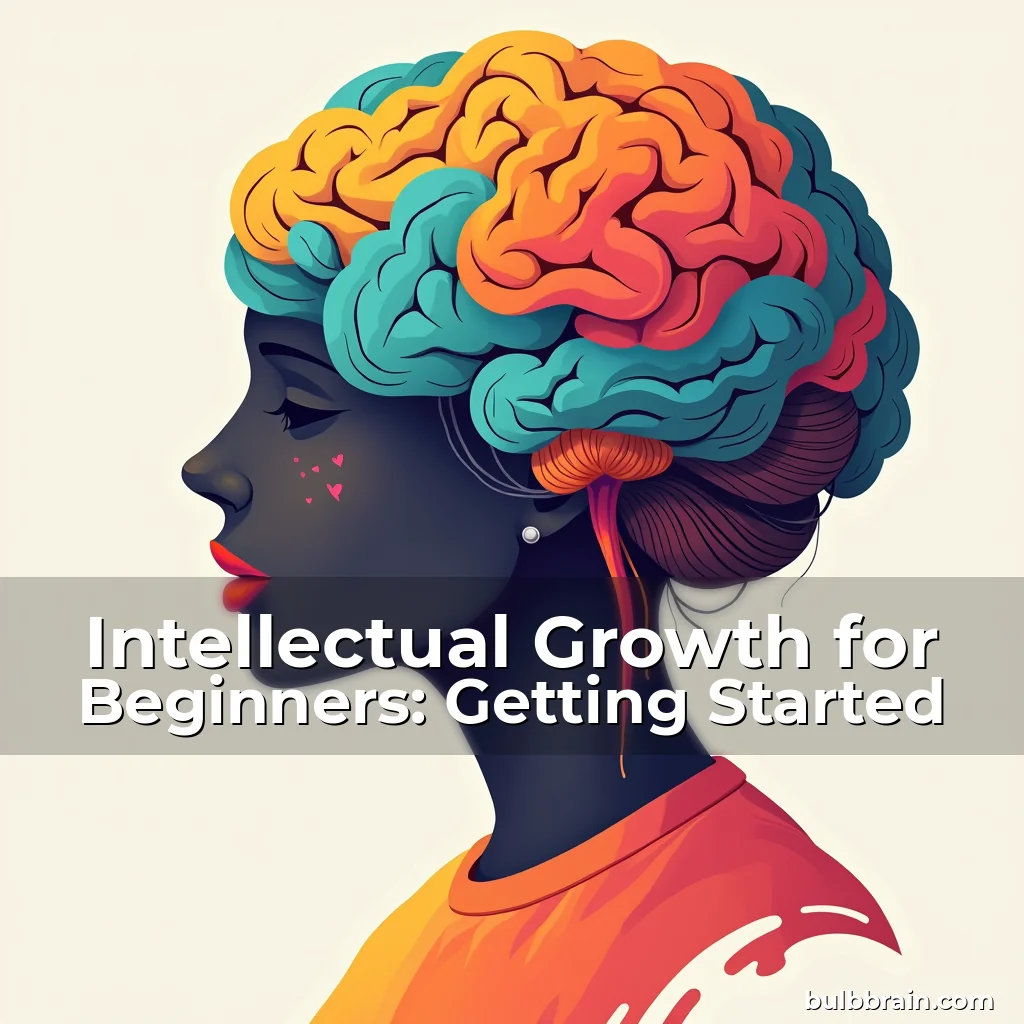
The Journey of Intellectual Growth: Cultivating Curiosity and Critical Thinking
Intellectual growth is an ongoing journey that transcends traditional education systems. It involves nurturing curiosity, developing critical thinking skills, and continuously seeking knowledge beyond formal learning environments.
This guide explores practical strategies for fostering intellectual development at any stage of life. Whether you’re a student, professional, or simply curious individual, these approaches can help unlock your full cognitive potential.
Fostering Lifelong Learning Habits
Cultivating lifelong learning requires intentional effort and mindset shifts. The first step is recognizing that knowledge acquisition doesn’t end after graduation but continues through daily experiences and interactions.
Developing a habit of continuous learning means embracing uncertainty and viewing challenges as opportunities for growth rather than obstacles. This perspective shift transforms everyday situations into valuable learning moments.
- Maintain a learning journal: Document new ideas, questions, and discoveries from various sources such as books, conversations, and online courses.
- Create learning goals: Set SMART objectives related to personal interests or career advancement, tracking progress regularly.
- Pursue diverse topics: Explore subjects outside your comfort zone by reading interdisciplinary materials and attending lectures across different fields.
Incorporating micro-learning techniques can significantly enhance retention rates. Short, focused study sessions spread throughout the day often yield better results than long cramming periods.
Building Cognitive Resilience Through Challenge
Cognitive resilience refers to the brain’s ability to adapt and recover from mental stressors. Developing this capacity strengthens problem-solving abilities and enhances overall intellectual flexibility.
Engaging in mentally challenging activities stimulates neural plasticity, which is crucial for maintaining cognitive health over time. Activities like strategic board games, coding projects, or language learning provide excellent exercise for the mind.
It’s important to approach challenges progressively. Starting with manageable difficulties allows gradual build-up while minimizing frustration levels. Consistency plays a key role in forming lasting cognitive habits.
Nurturing Creative Problem Solving Skills
Creative problem solving combines logical analysis with imaginative thinking. These complementary approaches enable individuals to tackle complex issues from multiple perspectives.
To develop creative thinking skills, practice brainstorming without self-criticism during initial idea generation phases. Delay judgment until later stages when refining solutions becomes necessary.
Exposure to diverse viewpoints broadens cognitive horizons. Engaging with people from different backgrounds fosters empathy and expands understanding of multifaceted problems.
Enhancing Information Literacy in the Digital Age
In today’s information-saturated environment, distinguishing credible sources from misinformation is vital skill. This ability ensures access to accurate data that supports informed decision-making processes.
Cross-referencing information across multiple reputable platforms helps verify facts before accepting them as true. Academic databases, peer-reviewed journals, and established news organizations are reliable starting points.
Learning basic media literacy principles enables effective evaluation of digital content. Understanding bias indicators, source credibility markers, and verification techniques empowers individuals to navigate online information landscapes confidently.
Practicing Reflective Thinking Techniques
Reflective thinking involves critically analyzing past experiences to extract meaningful lessons. This process enhances self-awareness and informs future decisions more effectively.
Keeeping a reflective diary encourages deeper examination of thoughts and actions. Writing down observations about successes, failures, and unexpected outcomes promotes conscious learning patterns.
Scheduled reflection intervals create structured opportunities for growth. Allocating regular time slots for thoughtful review maintains consistency in personal development efforts.
Strengthening Memory Retention Strategies
Evidence-based memory enhancement techniques combine psychological principles with practical applications. Effective methods include spaced repetition systems, mnemonic devices, and active recall practices.
Visual association methods link abstract concepts with vivid imagery. Creating mental maps or visual metaphors improves memorization efficiency for complex subject matter.
Regular physical activity has been shown to boost brain function and memory capabilities. Exercise increases blood flow to the brain and promotes neurogenesis, particularly in areas associated with memory formation.
Expanding Interpersonal Intelligence Through Dialogue
Interpersonal intelligence encompasses both social awareness and communication effectiveness. Enhancing these skills enriches intellectual exchanges and deepens collaborative learning experiences.
Active listening develops empathy and comprehension skills simultaneously. Giving undivided attention to speakers demonstrates respect and facilitates more meaningful discussions.
Constructive feedback delivery follows the SBI model (Situation-Behavior-Impact) to ensure clarity and reduce defensiveness. Focusing on observable behaviors rather than personal attributes makes suggestions more palatable.
Cultural competence training prepares individuals for global collaborations. Understanding cultural nuances prevents misunderstandings and promotes inclusive dialogue in multicultural settings.
Implementing Productivity Systems for Knowledge Management
Effective productivity systems streamline information processing and organization. Digital tools like note-taking apps, reference managers, and task organizers facilitate efficient knowledge management.
Creating personalized knowledge repositories stores curated resources for easy retrieval. Tagging system implementation allows flexible search options based on themes, authors, or relevance levels.
Setting up automated alerts for academic updates keeps learners informed about emerging research developments relevant to their fields of interest.
Embracing Intellectual Humility and Open-Mindedness
Intellectual humility acknowledges limitations in current knowledge while remaining open to new possibilities. This attitude fosters continuous learning rather than rigid certainty about all matters.
Recognizing the value of dissenting opinions creates space for richer debates. Constructively considering alternative viewpoints leads to more comprehensive understandings of complex topics.
Humility also manifests in willingness to admit mistakes and revise previous conclusions. Accepting fallibility as part of human nature reduces resistance toward correction and improvement.
Open-mindedness extends to exploring unconventional theories and methodologies. Remaining receptive to novel approaches expands intellectual boundaries and encourages innovation.
Establishing Support Networks for Continuous Growth
Support networks provide motivation, accountability, and shared learning experiences. Finding mentors who exemplify desired intellectual qualities accelerates personal development trajectories.
Joining book clubs or discussion groups exposes members to varied interpretations of common texts. Such interactions stimulate deeper thinking and reveal hidden connections between ideas.
Participating in online forums dedicated to specific disciplines connects learners with experts worldwide. These virtual communities offer real-time support and exchange of cutting-edge research findings.
Conclusion
Intellectual growth is a dynamic process requiring consistent effort and adaptive strategies. By integrating these approaches into daily routines, individuals can cultivate enduring intellectual capacities.
Remember that every small step contributes to broader cognitive development. Commitment to lifelong learning ensures continued discovery and mastery across diverse domains of knowledge.

news is a contributor at BulbBrain. We are committed to providing well-researched, accurate, and valuable content to our readers.
You May Also Like

About news
Passionate about learning, cognitive science, and helping people unlock their full potential.