
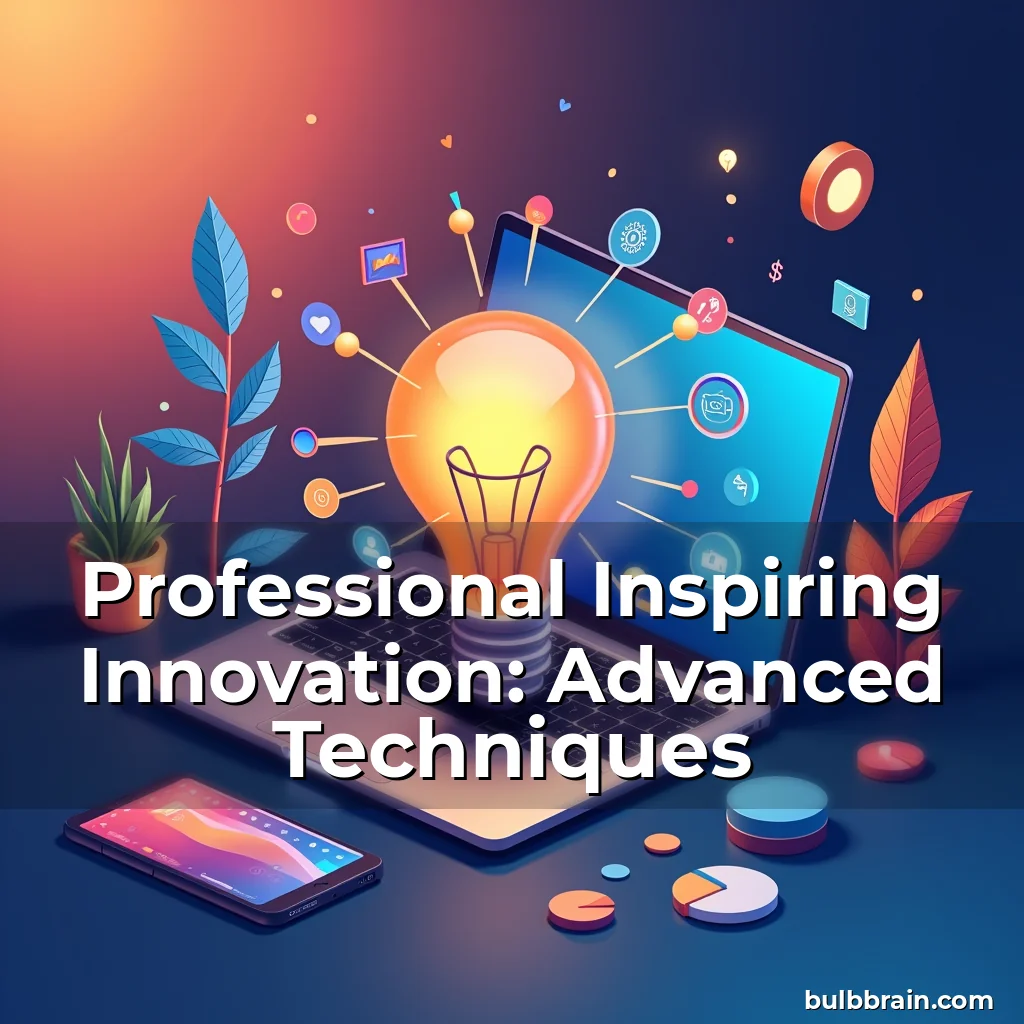
The Spark That Transforms Ideas Into Reality: Unleashing the Power of Inspiring Innovation
Innovation is not merely about generating new ideas; it’s about transforming those ideas into impactful solutions that reshape industries and elevate human potential.
This article delves into advanced techniques for inspiring innovation within teams and organizations, focusing on creating environments where creativity thrives and breakthroughs become inevitable.
Cultivating an Environment Where Creativity Thrives
A culture of innovation begins with leadership commitment. When leaders prioritize creative thinking, they send powerful signals across the organization.
This commitment manifests through allocating resources specifically for experimental projects and fostering psychological safety where failure is seen as learning opportunity rather than punishment.
Organizations that embrace this approach often see increased employee engagement metrics by up to 40% according to recent studies from Harvard Business Review.
Creating dedicated spaces for brainstorming sessions also plays crucial role – these can be physical rooms designed for collaboration or virtual platforms enabling global participation.
Advanced Techniques for Idea Generation
Traditional brainstorming methods are insufficient for today’s complex challenges. Modern approaches require structured frameworks that channel creativity effectively.
One such technique is design thinking, which integrates empathy research with rapid prototyping cycles to create user-centered innovations.
Combining mind mapping with digital tools like Miro allows teams to visualize connections between disparate ideas in real time.
- SCAMPER Method: A systematic approach encouraging modification of existing products/services through substitution, combination, adaptation, etc.
- Idea Incubation: Allocating protected time blocks for deep work without interruptions significantly increases quality of generated ideas.
Fostering Cross-Disciplinary Collaboration
Innovation flourishes at intersections of different disciplines. Encouraging cross-functional team composition leads to unexpected synergies.
When engineers collaborate with marketers or scientists work alongside artists, novel perspectives emerge that pure discipline silos cannot produce.
Companies implementing rotational programs where employees spend time in different departments report higher rates of patent filings and product launches.
Virtual collaboration tools have made this even more feasible, allowing experts from around globe to contribute simultaneously.
Leveraging Technology for Enhanced Creativity
Digital tools are revolutionizing how we approach innovation processes. Artificial intelligence systems now assist in idea generation and concept validation phases.
Machine learning algorithms analyze vast datasets to identify patterns that humans might miss, providing fresh angles for problem solving.
Augmented reality interfaces enable designers to test prototypes in immersive environments before committing to physical production.
Cloud-based project management platforms facilitate seamless knowledge sharing among distributed teams working on innovative initiatives.
Building Resilience Through Iterative Development
Sustainable innovation requires embracing iterative development models over perfectionist approaches. This mindset shift transforms setbacks into opportunities.
Agile methodologies provide framework for continuous improvement through regular feedback loops and adaptive planning strategies.
Teams practicing these principles typically experience faster time-to-market while maintaining high-quality standards.
Data analytics play critical role here by tracking key performance indicators that inform necessary adjustments during development stages.
Nurturing Individual Creative Potential
Talent development programs focused on creative skills enhancement yield significant returns. Employees who receive specialized training show marked improvements in problem-solving abilities.
Encouraging personal experimentation outside job roles helps cultivate inventive thinking habits that naturally translate into professional contexts.
Recognition systems that reward unconventional thinking reinforce organizational commitment to valuing diverse perspectives.
Providing access to online courses on topics ranging from generative AI applications to biomimicry principles expands individual capacity for innovation.
Establishing Measurable Impact Metrics
To sustain innovation momentum, organizations must implement robust measurement frameworks. These should track both quantitative outputs and qualitative outcomes.
KPIs could include number of patents filed, revenue generated from new products, or customer satisfaction scores related to innovative features.
Qualitative assessments involve measuring cultural shifts towards openness, risk-taking behaviors, and overall employee morale changes.
Regular benchmarking against industry standards ensures continued progress and identifies areas needing additional investment.
Overcoming Common Barriers to Innovation
Bureaucratic inertia remains one of biggest obstacles to sustained innovation efforts. Streamlining approval processes reduces friction in implementation pathways.
Resistance to change often stems from fear of uncertainty. Transparent communication about transformation goals helps alleviate these concerns.
Insufficient resource allocation frequently undermines promising initiatives. Strategic budgeting prioritizes high-potential projects based on thorough feasibility analyses.
Cultural norms favoring conformity over originality need deliberate reorientation through targeted interventions and leadership modeling.
Case Studies: Real-World Applications of Innovative Strategies
Leading technology firms demonstrate successful implementation of these principles through various case studies. For instance, Google’s famous “20% time” policy led to creation of Gmail and AdSense.
Automotive manufacturer Tesla transformed its operations model by integrating software engineering practices into traditional manufacturing processes.
Educational institutions adopting flipped classroom models have reported improved student engagement and deeper conceptual understanding.
Healthcare providers utilizing telemedicine platforms expanded service reach while improving patient care efficiency dramatically.
Conclusion
Inspiring innovation requires intentional cultivation of supportive environments combined with strategic application of modern methodologies.
By implementing these advanced techniques consistently, organizations can transform their innovation capabilities from occasional sparks into sustainable flames of progress.

news is a contributor at BulbBrain. We are committed to providing well-researched, accurate, and valuable content to our readers.
You May Also Like
About news
Passionate about learning, cognitive science, and helping people unlock their full potential.