
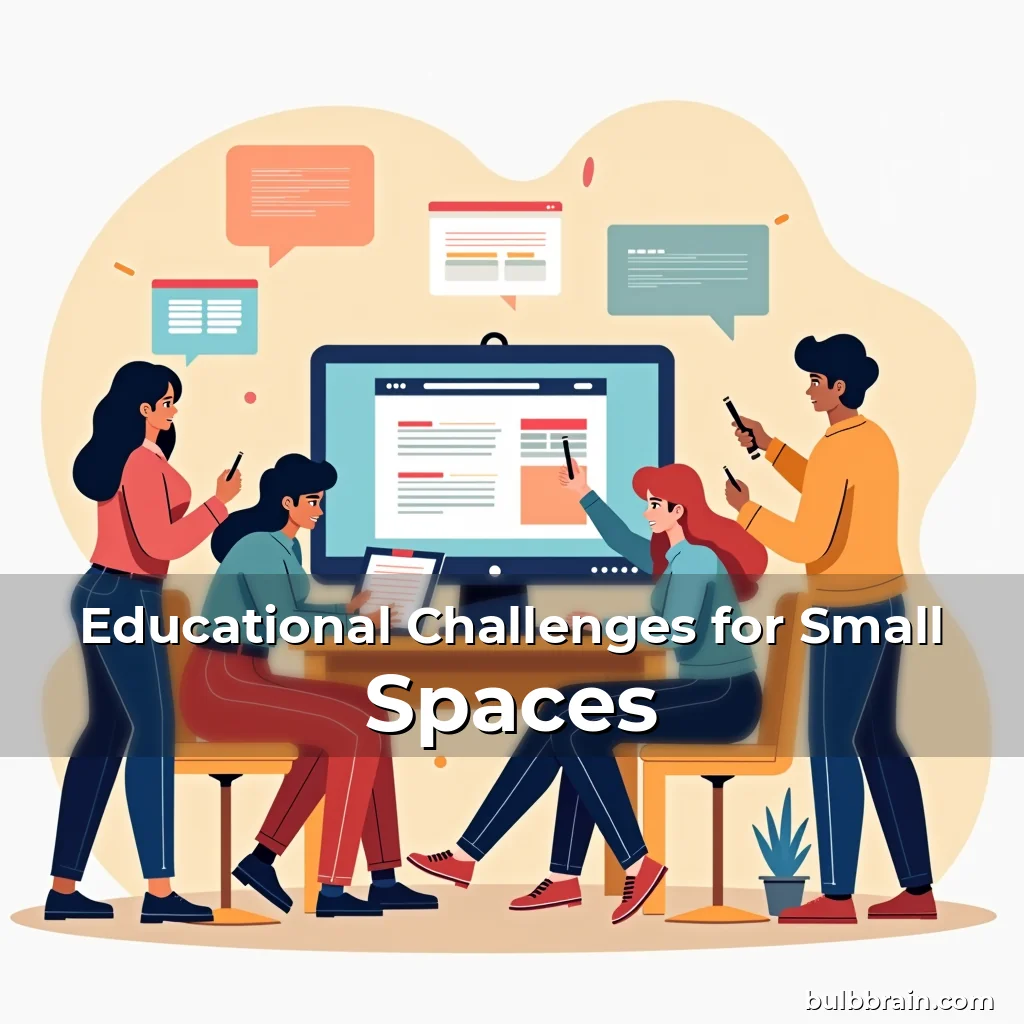
Educational Challenges for Small Spaces
In today’s fast-paced world, the struggle to balance education and limited living space affects millions of learners worldwide. Whether you’re a student in a cramped dormitory, a parent managing homeschooling in a tiny apartment, or someone pursuing lifelong learning in a compact home office, space constraints can create significant hurdles.
The modern educational landscape demands flexibility, adaptability, and access to diverse resources—but when physical space is restricted, even the most effective strategies can falter. From inadequate storage to disrupted focus, small spaces introduce unique challenges that require creative solutions.
The Physical Constraints of Limited Space
Adequate physical space is foundational to effective learning environments. When rooms are cluttered or too small, students face difficulties in organizing materials, maintaining posture, and fostering concentration. These conditions can hinder both academic progress and emotional well-being.
Limited square footage often forces compromises, such as doubling up on functions—a desk that also serves as a bed, or shelves stacked precariously against walls. While practical, these arrangements may lead to accidents or reduce usability over time. Additionally, insufficient ventilation and poor lighting exacerbate discomfort, making long hours of study feel exhausting.
- Furniture Layout: In small spaces, arranging furniture to maximize functionality is critical. A poorly planned layout can create bottlenecks or make movement difficult, disrupting workflow.
- Noise Pollution: Thin walls, shared living quarters, and external street noise can distract learners. This is especially problematic for students requiring quiet to concentrate or those who rely on auditory cues during lessons.
Resource Limitations in Constricted Environments
Small spaces frequently come with limited budgets, which can restrict access to essential educational tools. Textbooks, stationery, computers, and other supplies may become luxuries rather than necessities. Students must then find innovative ways to prioritize their needs or seek alternative funding sources.
Internet connectivity poses another obstacle. Many small homes or apartments lack dedicated workspaces with reliable broadband, forcing students to share connections with household members. This can result in slow speeds, dropped calls, and interrupted virtual classes—an issue amplified during peak usage times.
Budgetary Barriers to Learning Materials
For individuals in tight financial situations, purchasing new textbooks or digital subscriptions feels like an insurmountable task. Used books, library memberships, and peer-sharing systems offer temporary relief, but they cannot fully replace personalized resources tailored to individual learning styles.
Some families resort to repurposing everyday items for educational purposes. For example, old newspapers become writing practice sheets, and empty jars serve as containers for science experiments. While inventive, these solutions demand creativity and extra effort, further straining already limited time and energy.
Time Management in Confined Settings
Spatial constraints can compress time itself. Shared living spaces mean overlapping routines—the same kitchen used for meals becomes a workspace, and bathroom queues interrupt focused study sessions. Learners must constantly adjust schedules to minimize conflicts, often sacrificing rest or recreation in the process.
Creativity plays a vital role in maximizing time efficiency. Designating specific hours for chores, using timers to track tasks, and adopting multi-tasking strategies can help manage competing responsibilities. However, prolonged multitasking increases cognitive load, potentially reducing overall productivity.
- Scheduling Techniques: Tools like calendars, apps, and wall charts enable visual organization of daily activities, ensuring study blocks remain uninterrupted despite spatial overlaps.
- Time-Saving Tech: Voice assistants, automated reminders, and smart home devices streamline routine tasks, freeing up precious minutes for deeper learning experiences.
Social Dynamics and Isolation in Small Spaces
While some thrive in solitude, others require social interaction to maintain motivation and clarity. In cramped environments, opportunities for meaningful conversation or collaboration may dwindle, leading to feelings of isolation or burnout. This is particularly challenging for collaborative subjects like group projects or language immersion.
Learners must actively cultivate relationships outside their immediate surroundings—through online forums, local clubs, or volunteer groups. Engaging with peers in these contexts helps counterbalance the loneliness associated with small-space living. Still, initiating contact requires intentionality and effort, especially for shy or introverted individuals.
Building Support Networks
Strong social ties mitigate the negative effects of isolation. Regular check-ins with friends, family, or mentors provide accountability and encouragement. Online study groups or video calls with classmates transform distant interactions into supportive bonds, bridging geographical gaps.
However, forming and maintaining these networks depends heavily on time and energy availability. Those working full-time jobs or caring for dependents may struggle to dedicate sufficient attention to relationship-building, compounding existing pressures.
Mental Health Impacts of Spatial Restrictions
Prolonged exposure to constrained environments correlates with heightened stress levels. Research indicates that overcrowded or dimly lit spaces contribute to irritability, sleep disturbances, and reduced problem-solving abilities—all detrimental to academic success. Learners must implement coping mechanisms to protect their mental wellness.
Tech-based relaxation techniques, such as meditation apps or guided breathing exercises, offer quick respite. Meanwhile, outdoor walks, yoga, or creative hobbies provide physical outlets for pent-up tension. Ensuring access to nature—even through windows or nearby parks—can significantly boost mood and alertness.
- Stress Reduction Methods: Incorporating mindfulness practices into daily routines helps manage the anxiety linked to small-space living, allowing for clearer focus during study periods.
- Physical Activity: Simple exercises like stretching, dancing, or bodyweight workouts require little space but yield substantial benefits for mental resilience.
Adaptable Solutions for Confined Learning Spaces
Innovative design and mindset shifts open pathways to overcoming spatial limits. Modular furniture, collapsible tables, and vertical storage units optimize floor area while maintaining aesthetics. Investing in multipurpose pieces—like a sofa that converts into a bed—maximizes utility without compromising comfort.
Digital integration enhances learning possibilities. Cloud storage reduces paper dependency, while e-books eliminate bulky textbook piles. Virtual classrooms allow participation regardless of location, though consistent internet access remains a prerequisite for seamless engagement.
Smart Home Technology for Efficient Study Areas
Modern smart devices enhance small-space functionality. Motion-sensor lights prevent wasted electricity, while adjustable LED panels simulate natural daylight cycles to regulate circadian rhythms. Noise-canceling headphones or white-noise machines neutralize disruptive background sounds, enabling better concentration.
Automated blinds and thermostats adjust environmental conditions based on activity patterns, ensuring optimal temperature and illumination for extended study sessions. These technologies, though initially costly, pay dividends through improved efficiency and longevity of resources.
Educational Equity and Accessibility Concerns
Small-space challenges disproportionately affect marginalized populations. Low-income households often reside in substandard accommodations lacking basic amenities, widening the gap in educational outcomes. Addressing systemic inequities requires targeted policies that prioritize equitable access to quality learning environments.
Governments and institutions must invest in affordable housing upgrades, subsidized technology programs, and expanded libraries or community centers offering free tutoring services. These initiatives promote inclusivity and empower underprivileged learners to compete on equal footing.
- Policy Interventions: Legislative measures ensuring minimum livable standards in rental properties can indirectly benefit students by preventing unsafe or unsuitable housing conditions.
- Community Partnerships: Collaborations between schools, NGOs, and corporations foster resource-sharing models that alleviate burdens on struggling families.
Future Trends Shaping Educational Spaces
Rapid technological advancements promise transformative changes for small-space learners. Augmented reality applications enable immersive simulations that bypass traditional classroom limitations, while AI-driven tutors personalize instruction based on real-time data analysis.
Flexible curriculum designs cater to non-traditional learners, accommodating fragmented schedules caused by spatial and temporal constraints. Remote internships, micro-learning modules, and gamified assessments redefine what it means to succeed academically, emphasizing skill mastery over rigid seat time requirements.
Preparing for Tomorrow’s Learning Ecosystem
Students and educators alike must embrace continuous adaptation. Lifelong learning frameworks prepare individuals to navigate evolving educational landscapes confidently. Upskilling in digital literacy, project management, and cross-disciplinary knowledge ensures relevance amid shifting priorities.
Investment in hybrid teaching methodologies bridges gaps between formal and informal education. Blended models incorporating offline and online components provide flexibility without sacrificing depth or rigor, empowering learners to construct personalized pathways aligned with their unique needs and aspirations.
Conclusion
Educational challenges in small spaces stem from complex interplay between physical realities and human needs. By recognizing these barriers—and proactively developing inclusive, adaptable strategies—we can turn limitations into catalysts for innovation and growth.
To overcome these obstacles, focus on three pillars: optimizing space through clever design, leveraging technology strategically, and building resilient support systems. Embrace change as an opportunity to refine your approach continually, transforming every constraint into a stepping stone toward greater achievement.

news is a contributor at BulbBrain. We are committed to providing well-researched, accurate, and valuable content to our readers.
You May Also Like


About news
Passionate about learning, cognitive science, and helping people unlock their full potential.