
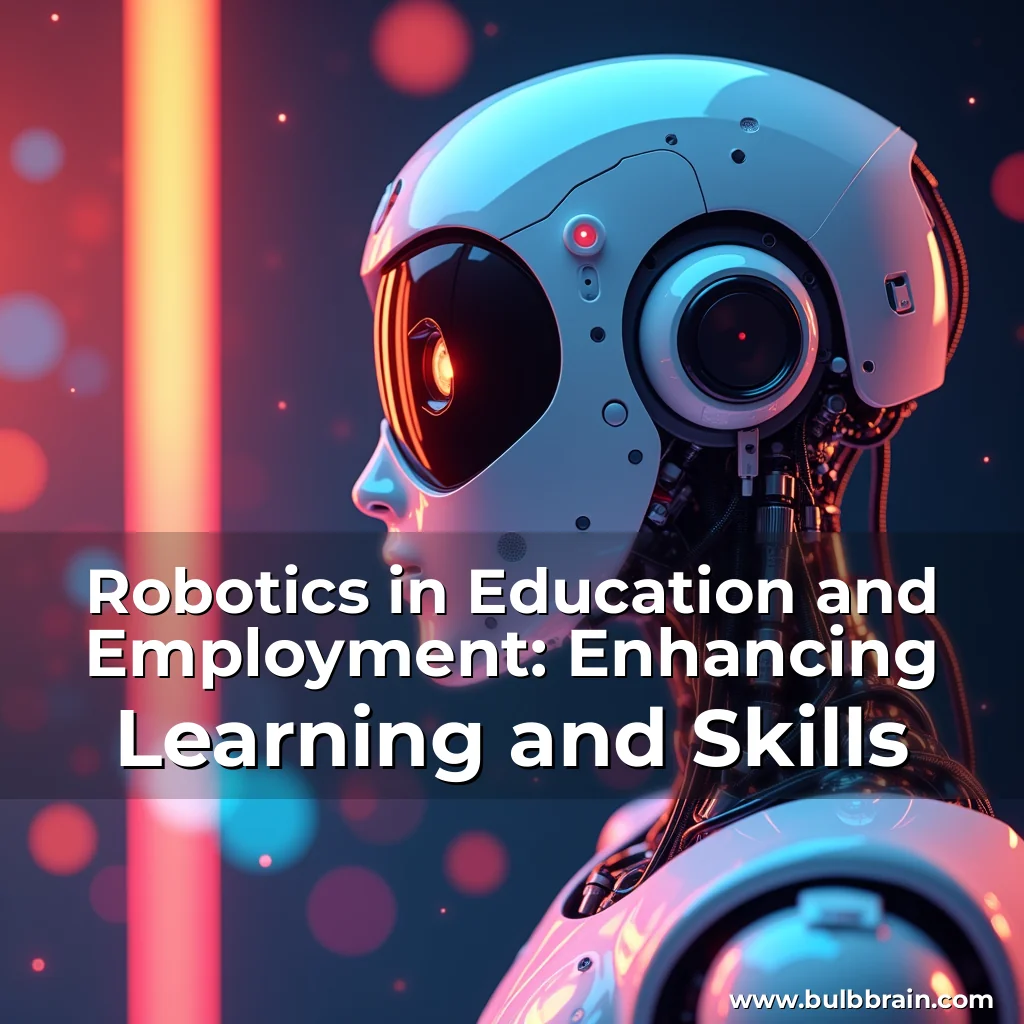
Robotics is revolutionizing the way we learn and work, transforming traditional classrooms and workplaces into interactive and efficient environments. In a classroom, robots can assist students in understanding complex concepts, providing personalized support, and encouraging hands-on learning. They can also tell engaging stories, change their narrative based on student choices, and offer a fun and creative way to learn coding. As robots become more prevalent in schools and workplaces, they don’t just perform tasks; they change the way we learn, work, and what skills are required to succeed in the future. To adapt to this new reality, schools and job training programs must teach people to be flexible, think critically, solve problems, and utilize their unique human skills such as creativity, teamwork, and empathy.
The Field of Robotics
Robotics is a field that involves designing, building, operating, and using robots. It’s about creating machines that can sense, think, and act to perform tasks, often in an automated way. The ultimate goal of robotics is to create machines that can work efficiently, safely, and sometimes even independently to make our lives easier or to perform tasks that are difficult or hazardous.
What are Educational Robots?
Educational robots are programmable machines designed specifically to support teaching and learning. They help students grasp concepts in science, technology, engineering, mathematics (STEM), and computer programming through interactive, hands-on activities. These robots make learning fun, practical, and engaging by allowing students to experiment, solve problems, and apply their knowledge in real-time.
Features of Educational Robots
• They are used for educational purposes and not for entertainment. • They are programmed with simple coding languages often block-based or visual. • They encourage critical thinking, creativity, and teamwork. • They are suitable for all age groups from school-going students to university. • They often come with interactive kits, apps, or platforms for easy use.
Examples of Educational Robots
Some notable examples of educational robots include:
• Dash, a robot that teaches programming and robotics concepts through games and activities. • Sphero, a robot that allows students to learn coding and robotics through a range of apps and platforms. • Lego Mindstorms, a kit that enables students to build and program their own robots using Lego bricks.
Benefits of Using Educational Robots
Educational robots offer numerous benefits in enhancing the learning experience and shaping future career paths. Some of the key benefits include:
• Enhances Engagement and Interest in Learning
• Encourages Creativity and Innovation
• Introduces Coding and Programming in a Fun Way
• Develops Problem-Solving and Critical Thinking Skills
• Fosters Teamwork and Collaboration
• Boosts Confidence and Resilience
• Prepares Students for Future Careers
The Future of Robotics in Education and Employment
As robots become more prevalent in schools and workplaces, it’s essential to prepare students for the changing job market. Educational robots can help bridge the gap between traditional learning and the demands of the modern workforce. By teaching students to be flexible, think critically, and solve problems, educational robots can equip them with the skills required to succeed in the future.
Conclusion
Robotics is transforming the way we learn and work, and educational robots are at the forefront of this revolution. By providing interactive, hands-on learning experiences, these robots can enhance engagement, encourage creativity, and prepare students for future careers. As we move forward, it’s essential to continue investing in robotics and educational technology to ensure that students are equipped with the skills required to thrive in the 21st-century workforce.

news is a contributor at BulbBrain. We are committed to providing well-researched, accurate, and valuable content to our readers.
You May Also Like

About news
Passionate about learning, cognitive science, and helping people unlock their full potential.