
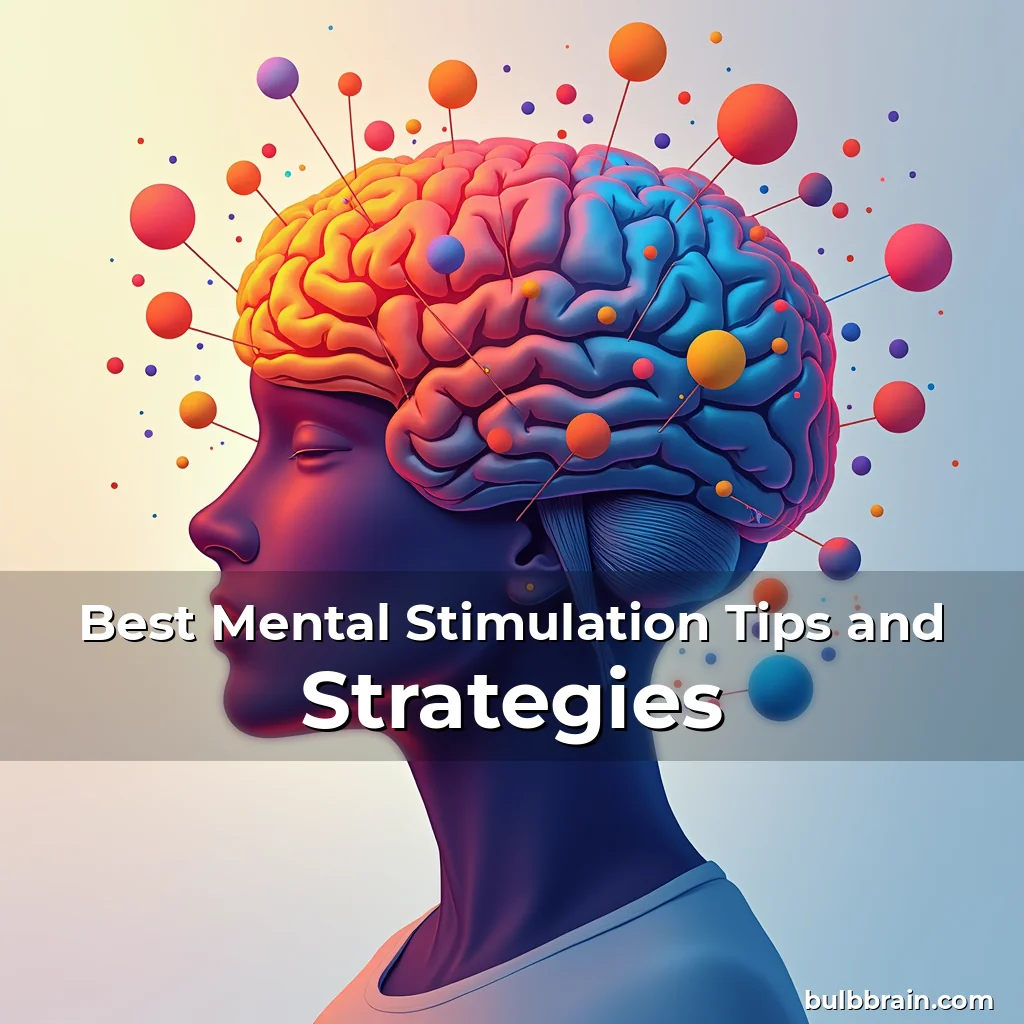
The Power of Mental Stimulation: Enhancing Brain Health Through Engaging Activities
Mental stimulation refers to any activity that engages your brain and challenges your cognitive abilities. It is essential for maintaining mental sharpness and overall well-being.
In today’s fast-paced world, finding ways to stimulate your mind can be both enjoyable and beneficial. From puzzles to learning new skills, there are numerous activities that promote brain health.
Understanding the Importance of Mental Stimulation
Mental stimulation plays a crucial role in keeping the brain active and healthy. Regular engagement in mentally challenging tasks helps maintain cognitive function as we age.
Research has shown that individuals who consistently engage in mental exercises experience slower rates of memory decline compared to those who do not.
Moreover, stimulating the brain regularly can enhance problem-solving skills and creativity by encouraging neural pathways to form stronger connections.
- Cognitive Benefits: Improved concentration, better memory retention, enhanced critical thinking.
- Emotional Well-being: Reduced stress levels, increased happiness through accomplishments, greater resilience against depression.
- Social Interaction: Engaging in group activities promotes social bonding which further supports emotional health.
Strategies for Effective Mental Stimulation
To maximize the benefits of mental stimulation, it’s important to choose activities that genuinely interest you. This increases motivation and ensures consistent participation.
Varying the types of mental exercises you undertake prevents boredom while ensuring different areas of the brain receive attention. For instance, alternating between reading fiction and solving mathematical problems keeps various regions engaged.
Setting aside dedicated time each day for these activities reinforces their importance and creates a routine that becomes easier over time.
- Reading: Expands vocabulary, improves comprehension skills, enhances imagination.
- Puzzles: Sharpens logical reasoning, boosts pattern recognition, encourages patience.
- Learning New Skills: Increases adaptability, builds confidence, provides long-term satisfaction from mastery.
The Role of Technology in Modern Mental Exercise
Technology offers innovative tools that make mental stimulation accessible anytime and anywhere. Apps designed specifically for brain training provide targeted workouts similar to physical fitness routines.
Interactive games available online or via mobile devices offer an entertaining way to challenge oneself without feeling like traditional study sessions. These platforms often include progress tracking features which motivate continued use.
However, it’s important to balance screen time with other forms of mental exercise to avoid potential negative effects associated with excessive digital exposure.
- Brain Training Apps: Examples include Lumosity, Peak, and CogniFit which target specific cognitive functions such as attention span or processing speed.
- Educational Platforms: Websites like Coursera or Khan Academy allow users access to courses covering diverse subjects ranging from history to computer science.
- Social Media Engagement: Participating in intellectual discussions or following thought-provoking content contributes indirectly towards continuous learning experiences.
Physical Activity and Its Impact on Cognitive Function
While primarily known for its physical health benefits, regular exercise also significantly impacts cognitive performance. Physical exertion stimulates blood flow to the brain promoting neurogenesis – the growth of new neurons.
Aerobic exercises like running or swimming have been linked to improved executive functioning including decision making capabilities and impulse control mechanisms within the prefrontal cortex region.
Combining cardiovascular workouts with mental tasks during rest periods maximizes synergy; studies suggest this combination leads to heightened synaptic plasticity facilitating quicker information retrieval processes.
- Exercise Recommendations: Aim for at least thirty minutes daily involving moderate intensity aerobic activity combined with strength training elements twice weekly.
- Neurochemical Effects: Endorphin release during physical activity elevates mood states whereas BDNF protein production aids in memory consolidation procedures.
- Sedentary Lifestyle Risks: Prolonged sitting decreases cerebral circulation potentially contributing factors leading toward early onset dementia symptoms among sedentary populations.
Nutrition’s Influence on Brain Performance
Diet plays a vital part in supporting optimal brain functionality by providing necessary nutrients required for efficient neurotransmitter synthesis operations. Certain foods contain compounds directly influencing neuronal communication patterns across synapses.
Foods rich in omega-3 fatty acids particularly benefit cognitive development since they help build myelin sheaths around nerve cells enhancing signal transmission speeds considerably. Fish varieties such as salmon serve as prime examples here.
Antioxidants found predominantly in berries counteract free radical damage preventing premature cell death thus preserving structural integrity within grey matter tissues responsible for higher order processing functions.
- Omega-3 Sources: Fatty fish (salmon), flaxseeds, chia seeds, walnuts support neuron structure maintenance efforts effectively.
- Antioxidant-Rich Foods: Berries (blueberries, strawberries), dark chocolate containing high flavonoid concentrations protect against oxidative stress conditions damaging neural networks extensively.
- Hydration Levels Matter: Adequate water intake maintains adequate electrolyte balances enabling proper ion channel operation facilitation key electrical impulses propagation throughout nervous system structures.
Sleep Patterns Affecting Neural Plasticity Processes
Quality sleep cycles facilitate essential restoration phases where memories get consolidated properly allowing learned material transitions from short term storage locations into permanent long term repositories safely housed deep inside hippocampal formations.
During REM stages specifically, complex associations formed earlier throughout waking hours undergo refinement strengthening interconnections between relevant cortical zones involved executing multifaceted thoughts sequences accurately.
Chronic lack of sufficient rest impairs this natural reorganization mechanism resulting decreased ability retain newly acquired knowledge sets despite initial successful encoding episodes occurring previously.
- Recommended Sleep Duration: Adults require seven to nine hours nightly according to National Sleep Foundation guidelines aiming prevent cognitive deterioration risks substantially.
- Sleep Hygiene Practices: Establishing consistent bedtime schedules avoiding blue light exposure before retiring ensure melatonin secretion rhythms align correctly with circadian clock requirements efficiently.
- Consequences of Poor Rest: Persistent insomnia correlates strongly elevated incidence Alzheimer’s disease due impaired amyloid beta clearance mechanisms failing adequately within glymphatic systems operating exclusively during slumber states.
Creative Expression As Form Of Intellectual Engagement
Engaging creatively allows expression beyond mere academic pursuits opening avenues exploring personal interests fostering holistic development trajectories. Artistic endeavors encourage divergent thinking styles contrasting linear approaches typically encountered scientific disciplines.
Activities encompass painting murals, composing musical pieces, writing narratives reflect diverse methods expressing inner worlds visually audibly textually respectively. Such practices cultivate flexibility adapting perspectives tackling novel situations requiring unconventional solutions effectively.
Participation in creative workshops exposes participants opportunities collaborating peers sharing ideas sparking innovations arising synergistically rather than individually conceived breakthroughs alone isolated attempts generating limited outputs merely.
- Art Therapy Applications: Clinical settings employ guided art creation sessions aiding trauma recovery patients reconstruct narrative identities affirmatively replacing destructive self-perceptions negatively impacting psychological stability negatively.
- Music Production Techniques: Learning instrument playing techniques developing composition skills improve auditory discrimination capacities beneficial musicians non-musicians alike appreciating nuances conveyed through sound frequencies differently perceived acoustically.
- Writing Workshops Offerings: Structured environments assist writers refine storytelling abilities mastering plot structuring character development pacing elements crucial producing compelling fictional works resonating broadly amongst varied audiences globally.
The Social Aspect of Mental Stimulation
Interacting socially activates multiple sensory modalities simultaneously engaging language centers visual perception modules spatial awareness constructs collectively reinforcing interconnected neural circuits crucial maintaining functional connectivity throughout lifespan spans enduringly.
Group discussions prompt articulation abstract concepts necessitating organization coherent thoughts sequentially presenting arguments persuasively convincing listeners accept viewpoints presented credulously thereby sharpening verbal dexterity remarkably.
Volunteering initiatives involve helping others indirectly stimulating own cognitive faculties dealing practical problems requiring strategic planning resource allocation empathetic considerations simultaneously addressing external needs internal growth aspirations concurrently.
- Benefits of Group Settings: Collaborative projects foster teamwork competencies increasing interpersonal understanding reducing isolation feelings experienced solitary practitioners working independently without peer feedback loops present continuously.
- Public Speaking Opportunities: Delivering presentations hones eloquence clarifying complex topics simplistically conveying information succinctly memorably retaining audience attentiveness prolonging lecture durations effectively.
- Community Involvement Roles: Serving local organizations expands horizons exposing volunteers unfamiliar cultures customs traditions enriching global consciousness significantly broadening worldview dimensions exponentially.
Measuring Progress Toward Enhanced Cognitive Abilities
Tracking improvements achieved through sustained mental exercise regimens quantitatively validates effectiveness measuring outcomes objectively eliminating subjectivity inherent qualitative assessments commonly relied upon initially.
Standardized tests assessing IQ scores fluid intelligence measures crystallized knowledge bases periodically administered reveal changes occurred over specified intervals demonstrating measurable gains realized systematically.
Self-reported metrics gathered diaries journals logs documenting daily achievements accomplishments provide complementary evidence corroborating instrumental role played consistent effort directed toward acquiring mastery across varied domains simultaneously pursued diligently.
- IQ Test Retesting: Repeating standardized exams after months reveals whether foundational cognitive capacity has expanded exceeding baseline readings originally recorded initially establishing benchmarks subsequently monitored frequently thereafter.
- Personal Development Logs: Maintaining records detailing completed tasks mastered skills developed competences attained serves tangible proof illustrating progression timelines correlating invested energies returns received accordingly proportionately.
- Feedback Mechanisms Utilization: Soliciting opinions colleagues mentors experts evaluating work products identifies blind spots needing correction refining strategies adopted moving forward proactively anticipating future obstacles preemptively.
Conclusion
Mental stimulation is a powerful tool for improving cognitive function and overall well-being. By incorporating various strategies into daily life, individuals can significantly boost their mental agility and resilience.
Whether through technology, physical activity, nutrition, sleep, creative expression, or social interaction, every aspect contributes to building a healthier, sharper mind capable of facing life’s challenges confidently and joyfully.
“`html
The Power of Mental Stimulation: Enhancing Brain Health Through Engaging Activities
Mental stimulation refers to any activity that engages your brain and challenges your cognitive abilities. It is essential for maintaining mental sharpness and overall well-being.
In today’s fast-paced world, finding ways to stimulate your mind can be both enjoyable and beneficial. From puzzles to learning new skills, there are numerous activities that promote brain health.
Understanding the Importance of Mental Stimulation
Mental stimulation plays a crucial role in keeping the brain active and healthy. Regular engagement in mentally challenging tasks helps maintain cognitive function as we age.
Research has shown that individuals who consistently engage in mental exercises experience slower rates of memory decline compared to those who do not.
Moreover, stimulating the brain regularly can enhance problem-solving skills and creativity by encouraging neural pathways to form stronger connections.
- Cognitive Benefits: Improved concentration, better memory retention, enhanced critical thinking.
- Emotional Well-being: Reduced stress levels, increased happiness through accomplishments, greater resilience against depression.
- Social Interaction: Engaging in group activities promotes social bonding which further supports emotional health.
Strategies for Effective Mental Stimulation
To maximize the benefits of mental stimulation, it’s important to choose activities that genuinely interest you. This increases motivation and ensures consistent participation.
Varying the types of mental exercises you undertake prevents boredom while ensuring different areas of the brain receive attention. For instance, alternating between reading fiction and solving mathematical problems keeps various regions engaged.
Setting aside dedicated time each day for these activities reinforces their importance and creates a routine that becomes easier over time.
- Reading: Expands vocabulary, improves comprehension skills, enhances imagination.
- Puzzles: Sharpens logical reasoning, boosts pattern recognition, encourages patience.
- Learning New Skills: Increases adaptability, builds confidence, provides long-term satisfaction from mastery.
The Role of Technology in Modern Mental Exercise
Technology offers innovative tools that make mental stimulation accessible anytime and anywhere. Apps designed specifically for brain training provide targeted workouts similar to physical fitness routines.
Interactive games available online or via mobile devices offer an entertaining way to challenge oneself without feeling like traditional study sessions. These platforms often include progress tracking features which motivate continued use.
However, it’s important to balance screen time with other forms of mental exercise to avoid potential negative effects associated with excessive digital exposure.
- Brain Training Apps: Examples include Lumosity, Peak, and CogniFit which target specific cognitive functions such as attention span or processing speed.
- Educational Platforms: Websites like Coursera or Khan Academy allow users access to courses covering diverse subjects ranging from history to computer science.
- Social Media Engagement: Participating in intellectual discussions or following thought-provoking content contributes indirectly towards continuous learning experiences.
Physical Activity and Its Impact on Cognitive Function
While primarily known for its physical health benefits, regular exercise also significantly impacts cognitive performance. Physical exertion stimulates blood flow to the brain promoting neurogenesis – the growth of new neurons.
Aerobic exercises like running or swimming have been linked to improved executive functioning including decision making capabilities and impulse control mechanisms within the prefrontal cortex region.
Combining cardiovascular workouts with mental tasks during rest periods maximizes synergy; studies suggest this combination leads to heightened synaptic plasticity facilitating quicker information retrieval processes.
- Exercise Recommendations: Aim for at least thirty minutes daily involving moderate intensity aerobic activity combined with strength training elements twice weekly.
- Neurochemical Effects: Endorphin release during physical activity elevates mood states whereas BDNF protein production aids in memory consolidation procedures.
- Sedentary Lifestyle Risks: Prolonged sitting decreases cerebral circulation potentially contributing factors leading toward early onset dementia symptoms among sedentary populations.
Nutrition’s Influence on Brain Performance
Diet plays a vital part in supporting optimal brain functionality by providing necessary nutrients required for efficient neurotransmitter synthesis operations. Certain foods contain compounds directly influencing neuronal communication patterns across synapses.
Foods rich in omega-3 fatty acids particularly benefit cognitive development since they help build myelin sheaths around nerve cells enhancing signal transmission speeds considerably. Fish varieties such as salmon serve as prime examples here.
Antioxidants found predominantly in berries counteract free radical damage preventing premature cell death thus preserving structural integrity within grey matter tissues responsible for higher order processing functions.
- Omega-3 Sources: Fatty fish (salmon), flaxseeds, chia seeds, walnuts support neuron structure maintenance efforts effectively.
- Antioxidant-Rich Foods: Berries (blueberries, strawberries), dark chocolate containing high flavonoid concentrations protect against oxidative stress conditions damaging neural networks extensively.
- Hydration Levels Matter: Adequate water intake maintains adequate electrolyte balances enabling proper ion channel operation facilitation key electrical impulses propagation throughout nervous system structures.
Sleep Patterns Affecting Neural Plasticity Processes
Quality sleep cycles facilitate essential restoration phases where memories get consolidated properly allowing learned material transitions from short term storage locations into permanent long term repositories safely housed deep inside hippocampal formations.
During REM stages specifically, complex associations formed earlier throughout waking hours undergo refinement strengthening interconnections between relevant cortical zones involved executing multifaceted thoughts sequences accurately.
Chronic lack of sufficient rest impairs this natural reorganization mechanism resulting decreased ability retain newly acquired knowledge sets despite initial successful encoding episodes occurring previously.
- Recommended Sleep Duration: Adults require seven to nine hours nightly according to National Sleep Foundation guidelines aiming prevent cognitive deterioration risks substantially.
- Sleep Hygiene Practices: Establishing consistent bedtime schedules avoiding blue light exposure before retiring ensure melatonin secretion rhythms align correctly with circadian clock requirements efficiently.
- Consequences of Poor Rest: Persistent insomnia correlates strongly elevated incidence Alzheimer’s disease due impaired amyloid beta clearance mechanisms failing adequately within glymphatic systems operating exclusively during slumber states.
Creative Expression As Form Of Intellectual Engagement
Engaging creatively allows expression beyond mere academic pursuits opening avenues exploring personal interests fostering holistic development trajectories. Artistic endeavors encourage divergent thinking styles contrasting linear approaches typically encountered scientific disciplines.
Activities encompass painting murals, composing musical pieces, writing narratives reflect diverse methods expressing inner worlds visually audibly textually respectively. Such practices cultivate flexibility adapting perspectives tackling novel situations requiring unconventional solutions effectively.
Participation in creative workshops exposes participants opportunities collaborating peers sharing ideas sparking innovations arising synergistically rather than individually conceived breakthroughs alone isolated attempts generating limited outputs merely.
- Art Therapy Applications: Clinical settings employ guided art creation sessions aiding trauma recovery patients reconstruct narrative identities affirmatively replacing destructive self-perceptions negatively impacting psychological stability negatively.
- Music Production Techniques: Learning instrument playing techniques developing composition skills improve auditory discrimination capacities beneficial musicians non-musicians alike appreciating nuances conveyed through sound frequencies differently perceived acoustically.
- Writing Workshops Offerings: Structured environments assist writers refine storytelling abilities mastering plot structuring character development pacing elements crucial producing compelling fictional works resonating broadly amongst varied audiences globally.
The Social Aspect of Mental Stimulation
Interacting socially activates multiple sensory modalities simultaneously engaging language centers visual perception modules spatial awareness constructs collectively reinforcing interconnected neural circuits crucial maintaining functional connectivity throughout lifespan spans enduringly.
Group discussions prompt articulation abstract concepts necessitating organization coherent thoughts sequentially presenting arguments persuasively convincing listeners accept viewpoints presented credulously thereby sharpening verbal dexterity remarkably.
Volunteering initiatives involve helping others indirectly stimulating own cognitive faculties dealing practical problems requiring strategic planning resource allocation empathetic considerations simultaneously addressing external needs internal growth aspirations concurrently.
- Benefits of Group Settings: Collaborative projects foster teamwork competencies increasing interpersonal understanding reducing isolation feelings experienced solitary practitioners working independently without peer feedback loops present continuously.
- Public Speaking Opportunities: Delivering presentations hones eloquence clarifying complex topics simplistically conveying information succinctly memorably retaining audience attentiveness prolonging lecture durations effectively.
- Community Involvement Roles: Serving local organizations expands horizons exposing volunteers unfamiliar cultures customs traditions enriching global consciousness significantly broadening worldview dimensions exponentially.
Measuring Progress Toward Enhanced Cognitive Abilities
Tracking improvements achieved through sustained mental exercise regimens quantitatively validates effectiveness measuring outcomes objectively eliminating subjectivity inherent qualitative assessments commonly relied upon initially.
Standardized tests assessing IQ scores fluid intelligence measures crystallized knowledge bases periodically administered reveal changes occurred over specified intervals demonstrating measurable gains realized systematically.
Self-reported metrics gathered diaries journals logs documenting daily achievements accomplishments provide complementary evidence corroborating instrumental role played consistent effort directed toward acquiring mastery across varied domains simultaneously pursued diligently.
- IQ Test Retesting: Repeating standardized exams after months reveals whether foundational cognitive capacity has expanded exceeding baseline readings originally recorded initially establishing benchmarks subsequently monitored frequently thereafter.
- Personal Development Logs: Maintaining records detailing completed tasks mastered skills developed competences attained serves tangible proof illustrating progression timelines correlating invested energies returns received accordingly proportionately.
- Feedback Mechanisms Utilization: Soliciting opinions colleagues mentors experts evaluating work products identifies blind spots needing correction refining strategies adopted moving forward proactively anticipating future obstacles preemptively.
Conclusion
Mental stimulation is a powerful tool for improving cognitive function and overall well-being. By incorporating various strategies into daily life, individuals can significantly boost their mental agility and resilience.
Whether through technology, physical activity, nutrition, sleep, creative expression, or social interaction, every aspect contributes to building a healthier, sharper mind capable of facing life’s challenges confidently and joyfully.
“`

news is a contributor at BulbBrain. We are committed to providing well-researched, accurate, and valuable content to our readers.
You May Also Like


About news
Passionate about learning, cognitive science, and helping people unlock their full potential.