
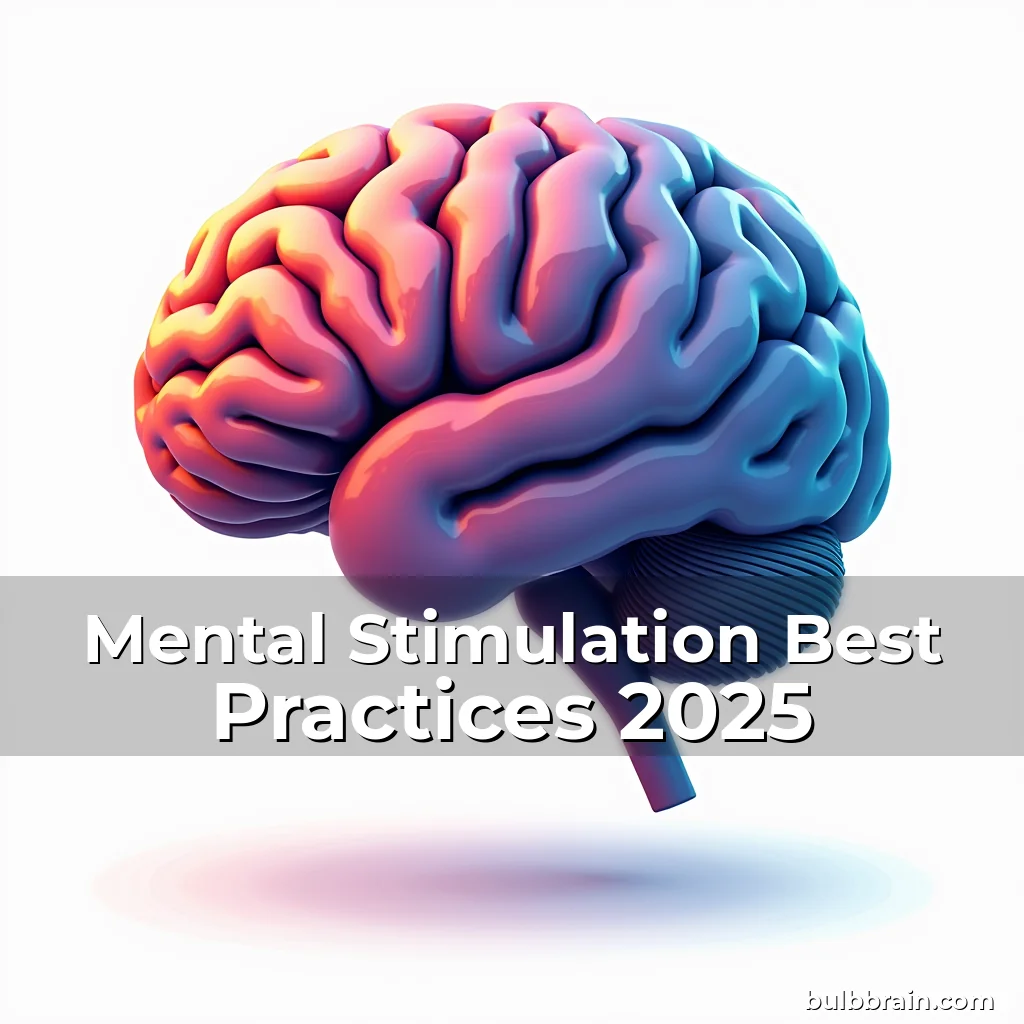
Mental Stimulation Best Practices 2025
In an era where cognitive health is becoming increasingly vital, mental stimulation stands as a cornerstone of maintaining brain vitality across all age groups. From preventing neurodegenerative diseases to enhancing problem-solving abilities, the benefits of keeping your mind engaged are vast.
The year 2025 brings new research and strategies that redefine how we approach mental exercises. Whether through technology-driven solutions or traditional methods, there’s never been a better time to prioritize intellectual growth.
The Science Behind Mental Engagement
Cognitive neuroscience has made remarkable strides in understanding how our brains respond to stimuli. The concept of neuroplasticity—the brain’s ability to reorganize itself by forming new neural connections—plays a crucial role in mental engagement.
Studies show that regular mental challenges can increase gray matter density in regions associated with memory and learning. This physical change within the brain highlights the tangible effects of consistent mental activity.
Moreover, mental stimulation triggers the release of neurotransmitters such as dopamine and serotonin. These chemicals not only enhance mood but also support cognitive functions essential for concentration and decision-making.
- Neuroplasticity: Enables the brain to adapt and learn from experiences, improving resilience against cognitive decline.
- Dopamine Release: Enhances motivation and reward mechanisms, making mentally stimulating tasks more enjoyable and sustainable.
Strategies for Daily Cognitive Challenges
A well-rounded mental exercise routine incorporates various types of activities tailored to individual preferences and goals. The key lies in finding what sparks curiosity without causing burnout.
Puzzles, reading, and even cooking involve complex processes that engage different parts of the brain simultaneously. By rotating between these activities, individuals maintain interest while exercising diverse cognitive skills.
Technology offers innovative ways to challenge the mind daily. Apps designed around memory games, language learning, and logic puzzles provide structured yet flexible options for mental engagement.
Building a Routine Around Intellectual Growth
Creating a personalized mental fitness plan requires self-assessment and flexibility. Understanding which activities bring joy versus those that feel like chores helps sustain long-term commitment.
Start small by dedicating fifteen minutes each day to a single mental task. As confidence grows, gradually introduce new challenges that push cognitive boundaries slightly beyond comfort zones.
Tracking Progress Through Cognitive Metrics
Measuring progress is essential when developing any skill set—including mental agility. Tools like standardized tests or digital platforms offer objective assessments over time.
For example, tracking improvements in vocabulary size using spaced repetition software reveals concrete gains in linguistic capacity. Similarly, timed math problems demonstrate enhanced processing speed with continued practice.
Leveraging Technology for Enhanced Learning
The integration of artificial intelligence into educational tools revolutionizes how people access information today. AI-powered apps personalize study sessions based on user performance data, optimizing efficiency.
Virtual reality environments create immersive scenarios perfect for scenario-based learning applications ranging from medical training simulations to historical recreations.
Online communities centered around knowledge sharing foster collaborative learning opportunities. Participating in forums or webinars connects users globally while reinforcing material retention through discussion.
Nutrition’s Role In Supporting Brain Health
Diet significantly influences mental clarity and overall neurological function. Nutrients found in certain foods contribute directly to neurotransmitter production and myelin sheath formation around nerve cells.
Fatty acids present in fish oil aid synaptic plasticity whereas antioxidants in berries protect neurons from oxidative stress damage caused by free radicals.
Hydration levels impact cerebral blood flow; adequate water intake ensures optimal delivery of nutrients necessary for sustaining high-level cognition throughout the day.
Social Interaction As A Form Of Mental Exercise
Conversations require active listening, interpretation, and response formulation—all critical components of executive functioning. Engaging regularly with others sharpens communication skills organically.
Group activities like board game nights or team sports promote strategic thinking and emotional regulation under pressure conditions typical during competitive play situations.
Volunteering exposes participants to novel social contexts which stimulate creative problem solving while contributing positively towards societal development goals.
Managing Stress For Optimal Cognition
Chronic stress impairs working memory and reduces hippocampal volume responsible for storing memories. Implementing mindfulness techniques mitigates these adverse effects effectively.
Breathing exercises activate parasympathetic nervous system responses that lower cortisol levels naturally—an essential step toward preserving cognitive integrity amid life’s demands.
Regular meditation practices have shown measurable increases in attention span and decreased susceptibility to distractions commonly encountered in modern workspaces.
Physical Activity And Its Impact On Mental Agility
Exercise boosts circulation throughout the body including increased oxygen supply reaching brain tissues at higher rates than sedentary lifestyles allow.
Cardiovascular workouts particularly benefit prefrontal cortex areas involved heavily in impulse control and judgment capabilities crucial for effective decision making processes.
Aerobic exercises combined with strength training produce synergistic effects supporting both muscular endurance alongside improved reaction times observed during cognitively demanding tasks.
Creativity As An Essential Component Of Mental Fitness
Engaging creatively whether through painting, writing poetry, composing music activates divergent thinking patterns distinct from linear analytical approaches used primarily in logical reasoning tasks.
This form of non-conventional thought generation strengthens neural pathways connecting disparate ideas together facilitating innovation across academic disciplines or professional fields alike.
Encouraging artistic exploration encourages risk-taking behaviors beneficial not only artistically but also professionally since out-of-the-box solutions often arise unexpectedly during imaginative pursuits.
Rest Periods And Their Significance In Cognitive Recovery
Sufficient sleep allows consolidation of newly acquired information into long-term storage facilities deep within the neocortex region of mammalian brains.
REM cycles specifically facilitate procedural memory encoding useful for mastering technical skills requiring repeated exposure before proficiency becomes automatic.
Napping strategically placed within busy schedules replenishes depleted energy reserves restoring alertness necessary for sustained periods of focused mental exertion later in the day.
Adapting Strategies To Individual Needs And Preferences
No two minds operate identically necessitating customized approaches aligned closely with personal inclinations rather than generalized recommendations derived solely from empirical studies alone.
Identifying preferred modes of engagement—whether auditory learners thrive best via podcast consumption or visual thinkers prefer diagrammatic representations—shapes successful implementation outcomes favorably.
Periodic reassessments ensure ongoing relevance considering evolving interests along with shifting priorities influenced periodically by external circumstances affecting daily routines.
Conclusion
Mental stimulation remains a powerful tool for fostering lifelong cognitive wellness amidst rapidly changing technological landscapes defining contemporary society structures globally.
By embracing varied methodologies encompassing scientific principles backed solidly upon established psychological theories coupled with practical implementations adaptable flexibly according to unique requirements individuals cultivate robust mental faculties capable enduring future challenges confidently.

news is a contributor at BulbBrain. We are committed to providing well-researched, accurate, and valuable content to our readers.
You May Also Like
About news
Passionate about learning, cognitive science, and helping people unlock their full potential.