
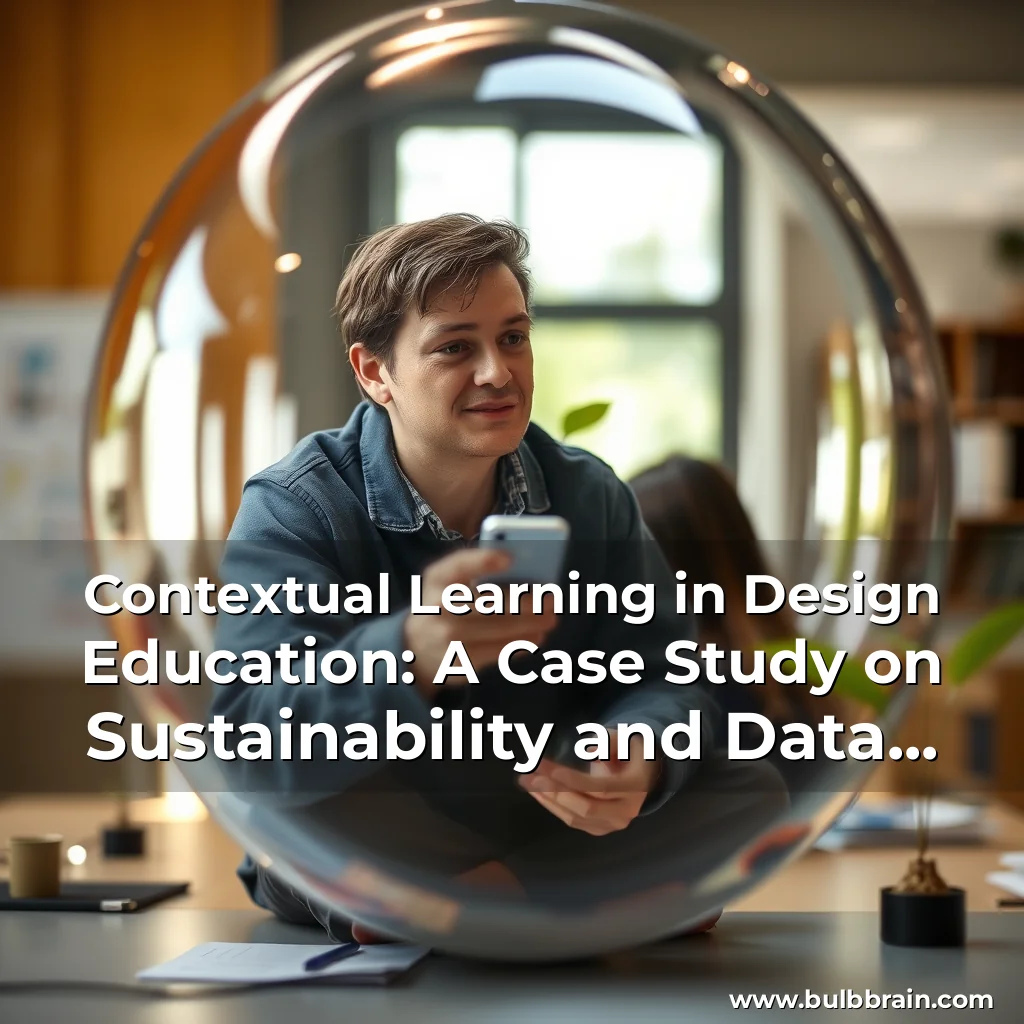
Contextual learning, which involves embedding learning within a specific context, such as an industry or community, can significantly enhance students’ educational experiences. In design education, this approach can help students develop skills that are highly valued by employers, such as problem-solving, critical thinking, and communication.
Benefits of Contextual Learning
- Develops skills that are highly valued by employers, such as problem-solving, critical thinking, and communication
- Increases student engagement and motivation, as students can see the relevance of what they are learning to their future careers and personal lives
Real-world learning, on the other hand, allows students to apply their theoretical knowledge to experiences that simulate real-life scenarios. By incorporating these approaches into coursework, faculty can help students develop skills that are highly valued by employers.
Real-World Learning in Design Education
One way to put real-world learning into practice is to task design students with creating data visualisation posters centred around a sustainability theme. These A1-size posters serve as illustrated “imagined futures” designed to educate and provide a vision of hope and positivity.
- Students gain a deeper understanding of the importance of sustainability and are motivated to create illustrations with a strong sense of purpose
- Fosters creativity and critical thinking skills
- Prepares students to tackle real-world sustainability challenges
Lessons in Chemistry: Widening University Students’ Participation through Storytelling
By incorporating storytelling into lessons in chemistry, faculty can engage students and increase their participation. This approach can help students see the relevance of chemistry to their everyday lives and develop a deeper understanding of the subject.
Engaging Students through Poster Presentations: A Case Study
A case study on engaging students through poster presentations can provide valuable insights into how to increase student participation and engagement.
Students presented their posters in a public forum, where they received feedback from their peers and instructors. This approach helped students develop their communication and presentation skills.
Challenges for Students Designing a Sustainability-Focused Poster
One of the main challenges of this exercise lies in shifting students away from their default negative depictions of climate issues. Faculty can use structured scaffolding to guide students away from their initial eco-anxiety and instead reframe these narratives through a lens of possibility.
Another challenge is in helping students navigate the balance between conceptual depth and visual clarity, particularly when visually communicating complex sustainability themes.
How to Set Students Up for Success
Ensuring students have space for creative exploration without fear of failure is one way to support student success. Faculty can reframed every misstep towards finding a better solution and encouraged students to experiment with metaphor, composition, and tone early on in the project.
Regular feedback and critical self-reflection can also support student success. This allowed students to articulate intent and refine their visual storytelling with increased autonomy.
Teaching around the Themes
Teaching around the themes has been essential to this task in our experience. Students explored the available scientific data on their specific theme and developed mind maps, mood boards, and early visual responses to build contextual understanding.
Class discussion, critique, and iterative review were central to the project, with the aim of developing factually informed visual communication that was solution-oriented and emotionally resonant.
Embedding Sustainability into Design Education
Embedding sustainability into design education required more than awareness; it called for critical, creative, and ethical engagement. Faculty found illustrated infographics to be a powerful medium, enabling students to visualise complex issues, challenge dominant narratives, and advocate for positive change.
When framed through a transformative pedagogical approach, the assignment equipped emerging illustrators with the tools and the mindset to respond meaningfully to the global environmental challenges we are facing.
Conclusion
Contextual learning and real-world learning can significantly enhance students’ educational experiences and prepare them for future professional challenges.

news is a contributor at BulbBrain. We are committed to providing well-researched, accurate, and valuable content to our readers.
You May Also Like

About news
Passionate about learning, cognitive science, and helping people unlock their full potential.