
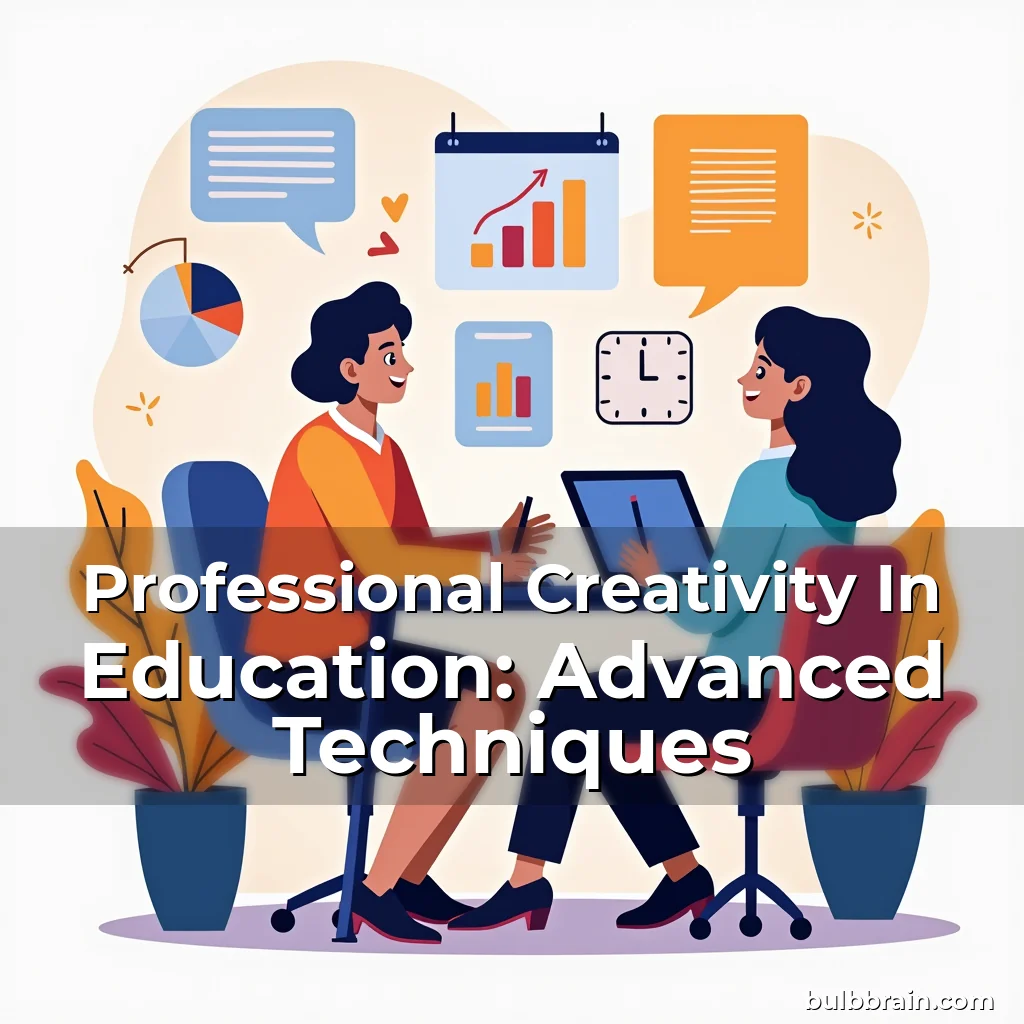
Cultivating Innovation: Transforming Classrooms Through Creative Pedagogy
In an era defined by rapid technological advancements and evolving workforce demands, traditional educational models are being reimagined through the lens of creativity. Educators worldwide recognize that fostering creative thinking is not merely beneficial but essential for preparing students to navigate complex challenges. This paradigm shift emphasizes innovation as a core component of modern teaching methodologies.
The integration of creativity into education transcends art classes and design studios; it permeates every subject area, from mathematics to scientific inquiry. By embracing unconventional approaches, teachers can cultivate environments where curiosity thrives and original thought flourishes. This transformation requires intentional strategies that align with both academic objectives and holistic development goals.
Redefining Educational Objectives: A Shift Toward Creative Competencies
Educational institutions are increasingly prioritizing skills such as problem-solving, critical thinking, and adaptability over rote memorization. This transition reflects a growing understanding that these competencies are crucial for success in today’s dynamic world. Schools now emphasize projects that require students to synthesize information rather than simply recall facts.
Curriculum designers have incorporated cross-disciplinary learning experiences that encourage students to connect ideas across different domains. For example, a history lesson might involve creating multimedia presentations while analyzing primary sources. Such activities promote deeper engagement with material and develop versatile cognitive abilities.
Assessment methods have also evolved to reflect this emphasis on creativity. Traditional exams focusing solely on standardized answers are giving way to performance-based evaluations. These assessments allow students to demonstrate their understanding through innovative solutions rather than predefined responses.
- Project-Based Learning: Encourages hands-on exploration by requiring students to tackle real-world problems within structured frameworks. This method promotes collaboration and independent research skills.
- Mind Mapping: Visual tools help organize thoughts and make connections between seemingly unrelated topics. They support brainstorming sessions and enhance memory retention.
Fostering a Culture of Curiosity: Strategies for Classroom Engagement
A classroom environment conducive to creativity requires deliberate effort to nurture intellectual risk-taking. Teachers play a pivotal role in establishing norms that value experimentation and tolerate failure as part of the learning process. Open-ended questions stimulate divergent thinking and challenge students to consider alternative perspectives.
Interactive technologies offer new avenues for student expression and participation. Digital platforms enable collaborative storytelling, virtual simulations, and interactive quizzes that cater to diverse learning styles. These tools facilitate immediate feedback mechanisms which reinforce conceptual understanding.
Creating flexible seating arrangements transforms physical spaces into dynamic hubs of interaction. Movable furniture allows groups to form spontaneously around shared interests or tasks, promoting spontaneous idea exchange among peers. This spatial flexibility supports various modes of engagement including individual reflection time and team-based initiatives.
The Role of Teacher Training in Cultivating Creative Environments
Research indicates that teacher preparedness significantly influences the effectiveness of creative pedagogical practices. Professional development programs focused specifically on creative instruction empower educators with necessary resources and confidence. According to a study published in the Journal of Educational Psychology, schools implementing ongoing training saw a marked improvement in student innovation scores.
Workshops covering design thinking principles equip teachers with structured approaches to problem solving. These methodologies emphasize empathy, prototyping, and iterative refinement processes that mirror industry-standard practices used in product development fields. Incorporating such techniques helps bridge theoretical knowledge with practical application scenarios.
Leveraging Technology for Enhanced Creativity
Digital tools provide unprecedented opportunities to expand creative horizons within educational settings. Software applications designed for digital illustration, music composition, or video editing enable students to express themselves artistically without needing specialized equipment outside school premises. Cloud-based platforms further extend accessibility by allowing remote access anytime anywhere.
Artificial intelligence-driven platforms assist in personalized learning journeys tailored precisely to each learner’s strengths and weaknesses. Adaptive algorithms analyze progress data continuously adjusting difficulty levels dynamically based upon individual needs thus maintaining optimal challenge thresholds throughout lessons.
Virtual reality experiences immerse learners in simulated environments enhancing experiential learning outcomes dramatically compared with conventional textbook studies alone. Medical students practicing surgical procedures using VR headsets gain realistic exposure before actual clinical encounters reducing potential errors during real operations.
Integrating Arts Across Disciplines: STEAM vs STEM Approach
The resurgence of arts integration underlines its significance beyond aesthetics towards broader cognitive benefits. While STEM disciplines traditionally dominate science curricula, incorporating artistic elements fosters multidimensional skill sets applicable across numerous career paths. This approach known commonly as STEAM encourages blending technical expertise with imaginative flair resulting in novel innovations.
Music theory lessons combined with mathematical concepts illustrate how rhythm patterns relate directly to numerical sequences demonstrating abstract relationships concretely. Similarly architecture projects involving geometric shapes teach spatial awareness alongside structural integrity calculations making math tangible through visual representation.
Design thinking workshops often incorporate sketching exercises as initial steps toward developing prototypes highlighting importance of visualization skills even when final products may be purely functional items like engineering components or software interfaces. Such interdisciplinary connections strengthen foundational understanding across subjects simultaneously.
Nurturing Student Voice: Empowering Autonomy in Learning Journals
Encouraging reflective writing habits enables students to articulate personal growth trajectories explicitly documenting their journey through self-assessment narratives. Maintaining daily entries regarding challenges faced successes achieved along with future aspirations provides valuable insight into metacognitive development processes occurring naturally throughout schooling years.
Differentiated journal prompts target specific aspects related either emotionally cognitively physically depending upon developmental stages ensuring relevance remains high regardless age group considered at any given moment. This customization ensures consistency yet flexibility required for effective implementation across grade levels.
Sharing selected reflections anonymously within peer communities builds collective wisdom pools wherein common struggles triumphs become visible reinforcing social-emotional learning objectives organically instead of imposing external pressures artificially constructed metrics.
Bridging Generations: Intergenerational Collaboration Projects
Initiatives pairing older adults with youth foster mutual respect appreciation through shared experiences centered around creative endeavors. Storytelling circles where elders recount life events while younger participants contribute contemporary interpretations create rich tapestries reflecting societal evolution over decades effectively merging past present futures seamlessly together.
Holistic wellness programs integrating movement meditation mindfulness routines benefit participants irrespective age brackets addressing mental health concerns prevalent amongst adolescents equitably benefiting seniors facing isolation issues concurrently improving overall well-being indices measurably observable post intervention periods.
Community service projects led jointly by intergenerational teams apply learned skills practically contributing positively society reinforcing civic responsibility values instilled formally within classrooms translating them authentically lived experiences outside institutional walls thereby deepening comprehension through action oriented learning modalities.
Measuring Success: Assessing Creativity Effectively
Evaluating creative achievements necessitates nuanced criteria going beyond standard grading scales typically employed assessing academic performance exclusively. Rubrics emphasizing originality coherence execution serve better indicators determining quality outputs produced through inventive processes undertaken voluntarily rather than mandated assignments.
Portfolios containing samples showcasing progression over extended durations offer comprehensive snapshots capturing growth trajectories accurately depicting incremental improvements realized consistently throughout learning phases measured periodically against established benchmarks set initially upon commencement period.
Peer assessment protocols involving structured guidelines ensure objectivity fairness while providing authentic audience validating contributions made collectively strengthening communal bonds formed naturally via collaborative efforts conducted regularly scheduled intervals facilitating continuous improvement cycles perpetually sustained indefinitely provided consistent maintenance applied diligently whenever circumstances warrant adjustments accordingly.
Conclusion
This exploration highlights multifaceted dimensions comprising cultivating innovation within educational contexts revealing intricate web connecting pedagogical reforms technological integrations interdisciplinary collaborations etcetera forming cohesive framework supporting sustainable advancement continually evolving landscape characterized constant flux demand perpetual adaptation remain ever vigilant observers proactive implementers engaged deeply committed stakeholders invested wholeheartedly entire enterprise.
To truly harness the power of creativity in education, we must commit ourselves fully to redefining what excellence looks like—not just academically but holistically encompassing emotional intellectual physical spiritual facets composing complete human beings capable thriving amidst uncertainty complexity inherent modern existence.

news is a contributor at BulbBrain. We are committed to providing well-researched, accurate, and valuable content to our readers.
You May Also Like
About news
Passionate about learning, cognitive science, and helping people unlock their full potential.