
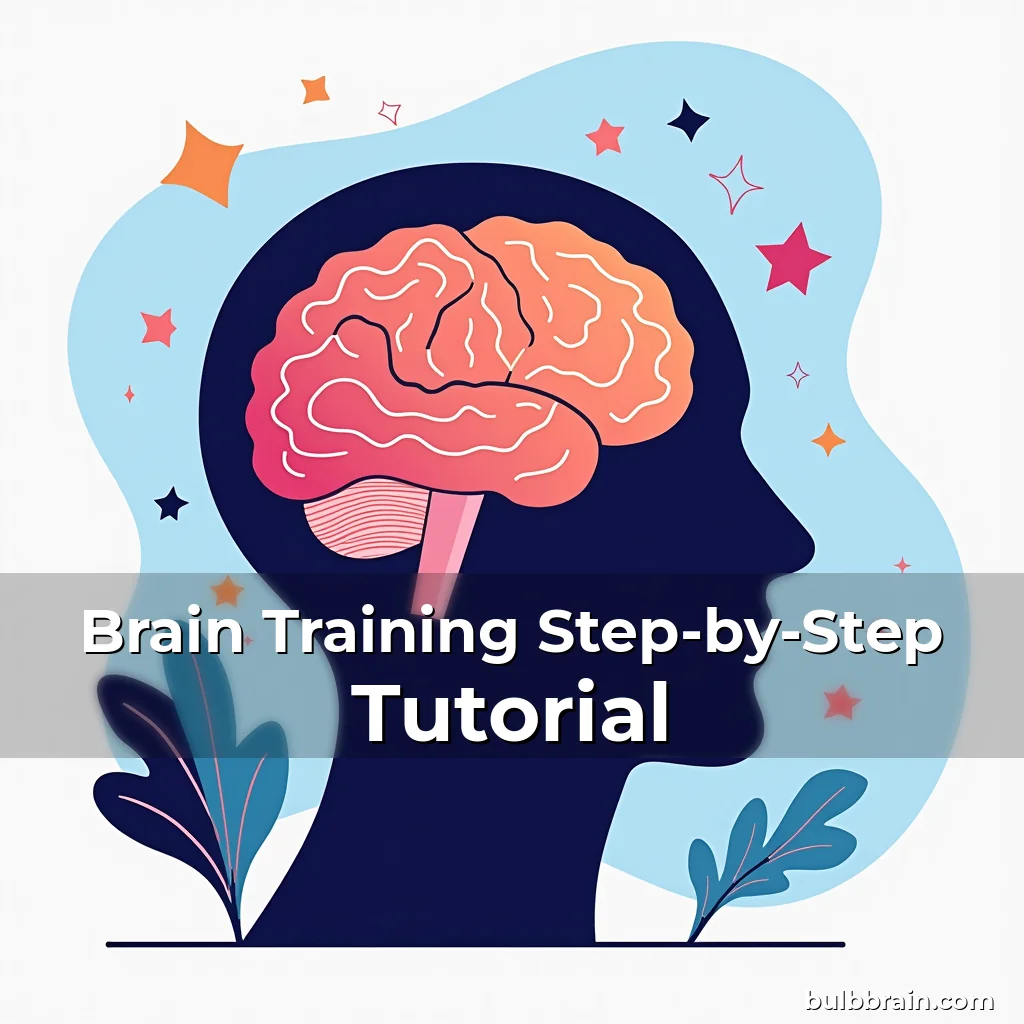
The Science Behind Brain Training: How Your Mind Can Evolve Daily
In an era defined by digital overload and constant connectivity, brain training has emerged as a vital tool for maintaining cognitive health and enhancing mental agility. This isn’t simply about memorizing facts or solving puzzles—it’s about systematically shaping your neural pathways through purposeful activities that challenge your mind.
The human brain is remarkably adaptable, capable of forming new connections even well into adulthood. By engaging in targeted exercises, you can strengthen memory retention, boost problem-solving abilities, and sharpen decision-making skills—all while potentially reducing the risk of neurodegenerative diseases later in life.
Understanding Neuroplasticity: The Foundation of Brain Training
Neuroplasticity refers to the brain’s ability to reorganize itself by forming new neural connections throughout life. This remarkable property allows us to learn from experiences, adapt to change, and recover from injuries. It is the biological basis for why brain training works so effectively.
When we engage in mentally challenging tasks—such as learning a new language or playing a musical instrument—we stimulate neurogenesis, the creation of new neurons. These activities activate various regions of the brain, promoting stronger synaptic connections and improved information processing speed.
- Mental Stimulation: Activities that require focused attention and critical thinking help maintain and enhance cognitive function.
- Sensory Engagement: Multi-sensory tasks, such as reading aloud or using tactile tools during games, create richer neural networks.
Building Cognitive Resilience Through Routine Practice
Cognitive resilience refers to the brain’s capacity to withstand stress, adapt to challenges, and recover quickly from setbacks. Regular brain training routines are essential for developing this crucial skill set. Consistent practice helps build mental stamina and enhances emotional regulation.
To cultivate cognitive resilience, establish daily habits that involve varied intellectual challenges. Incorporate tasks that push your comfort zone slightly but remain achievable within reasonable time frames. For instance, alternating between logic puzzles and creative writing can provide balanced mental stimulation.
Data-Driven Insights on Routine Effectiveness
A study published in the journal Nature Neuroscience found that individuals who engaged in structured cognitive exercises showed increased gray matter density in areas associated with executive functioning after eight weeks. Gray matter growth correlates strongly with enhanced problem-solving capabilities and better impulse control.
Moreover, research conducted at Harvard University revealed that participants practicing mindfulness meditation alongside traditional brain training saw up to a 30% improvement in working memory compared to those focusing solely on puzzle-based exercises. This synergy suggests the importance of combining different approaches for optimal results.
Fundamental Techniques for Effective Brain Training
Several core techniques have been scientifically validated to promote brain development. Memory enhancement strategies form the bedrock of many successful programs. One popular method involves associating new information with vivid imagery or existing knowledge structures—an approach known as elaborative encoding.
Critical thinking exercises also play a pivotal role. Engaging regularly with logical reasoning problems encourages analytical skills and pattern recognition. Online platforms offering timed quizzes on mathematical sequences or deductive logic make these practices accessible to most people today.
- Elaborative Encoding: Linking new material to personal memories strengthens recall efficiency significantly.
- Predictive Analysis: Practicing forecasting outcomes based on limited data improves decision-making under uncertainty.
Leveraging Technology for Enhanced Mental Agility
Digital tools now offer unprecedented opportunities for personalized brain training regimens. Mobile applications track progress over time, adapting difficulty levels automatically based on user performance metrics. Gamified interfaces increase motivation by incorporating rewards systems similar to video game mechanics.
Voice-assisted devices can be programmed to deliver spaced repetition drills—a technique proven effective for long-term memory consolidation. These technologies allow users to integrate brain workouts seamlessly into their daily schedules without disrupting other responsibilities.
Choosing the Right Digital Tools
Selecting appropriate technology requires considering individual goals and preferred formats. Some apps specialize in visual spatial reasoning while others focus exclusively on verbal fluency tests. It’s wise to experiment with several options before committing to any single platform.
User reviews often highlight features such as customization settings, offline accessibility, and compatibility across multiple operating systems. Prioritize applications with scientific backing from reputable institutions rather than purely entertainment-focused products claiming exaggerated benefits.
Nutritional Support for Optimal Brain Function
Nourishment plays an equally significant role in supporting cognitive functions. Certain nutrients have been shown to influence neurotransmitter production and protect against oxidative damage. Omega-3 fatty acids, particularly DHA found abundantly in fish oil supplements, support cellular membrane integrity within the brain tissue.
Vitamin B complex deficiencies may contribute to impaired concentration and mood swings. Including foods rich in folate, vitamin B6, and B12 in regular diets supports healthy nerve signaling processes essential for efficient thought patterns.
- Omega-3 Fatty Acids: Found primarily in cold-water fish, they aid in building strong neural connections.
- Antioxidants: Berries, dark chocolate, and green tea contain compounds that combat free radicals harming brain cells.
Physical Exercise as Complementary Brain Workout
While mental exercises alone yield substantial benefits, physical activity amplifies these effects dramatically. Aerobic exercise increases blood flow to the brain, delivering oxygen and glucose necessary for energy-intensive cognitive processes. Regular cardiovascular workouts correlate positively with hippocampal volume expansion—the region responsible for memory formation.
Combining moderate-intensity aerobic sessions with strength training provides holistic neurological advantages. Even simple routines like brisk walking or yoga incorporate movement that stimulates dopamine release, improving mood states linked closely with cognitive performance.
Optimizing Physical Activity for Cognitive Gains
Research indicates that exercising three times weekly yields measurable improvements in attention span and processing speed within six months. However, consistency matters more than intensity when aiming for sustained cognitive enhancements. Establishing realistic fitness goals tailored to current lifestyles maximizes adherence rates.
Outdoor activities involving nature exposure further augment cognitive recovery post-exercise. Green spaces reduce cortisol levels, enabling faster mental restoration following intense physical exertion which is especially beneficial for individuals dealing with chronic stressors affecting focus abilities.
Mindfulness Practices Enhancing Neural Efficiency
Meditation and mindfulness techniques complement traditional brain training methods by fostering metacognition—the awareness of one’s own thought processes. Practitioners report heightened clarity of mind and reduced distractibility after consistent practice periods lasting four weeks or longer.
Focus-enhancement rituals such as breathing exercises or body scan meditations train the prefrontal cortex to regulate attention selectively. This mental discipline translates directly into improved task persistence and decreased multitasking tendencies negatively impacting deep work effectiveness.
- Attention Regulation: Meditation cultivates the ability to direct focus intentionally towards chosen stimuli.
- Emotional Control: Regular practitioners demonstrate greater tolerance toward frustration during cognitively demanding tasks.
Creativity as Advanced Level Brain Training
Creative endeavors represent advanced stages of brain development where abstract thinking prevails over rote memorization. Engaging in artistic pursuits like painting or composing music activates divergent thinking modes distinct from convergent reasoning typically emphasized in academic contexts.
These non-linear problem-solving approaches encourage novel associations between seemingly unrelated concepts, strengthening lateral connections within the cerebral cortex. Such cognitive flexibility becomes increasingly valuable in innovation-driven environments requiring out-of-the-box solutions.
Integrating Creativity Into Daily Life
You don’t need formal art classes to benefit from creativity-based brain training. Keeping a dream journal, experimenting with new recipes, or attempting improvisational dance all serve as informal yet highly effective ways to stretch mental capacities beyond conventional boundaries.
Regularly setting aside dedicated time slots each week specifically reserved for imaginative exploration promotes sustained engagement with unconventional thinking patterns. Over time, these practices lead to noticeable shifts in how complex issues get approached both personally and professionally.
Assessing Progress and Adjusting Strategies
Evaluating the impact of brain training efforts necessitates establishing clear benchmarks aligned with personal objectives. Self-assessment tools ranging from standardized IQ assessments to customized tracking spreadsheets enable objective comparisons over extended durations.
Seeking feedback from trusted peers or professionals adds another layer of insight regarding potential blind spots hindering full realization of cognitive gains. Periodic recalibration ensures ongoing relevance between adopted methodologies and evolving needs arising from changing life circumstances.
Overcoming Common Challenges in Sustained Brain Development
Maintaining commitment to long-term brain training initiatives presents inherent difficulties related to motivation fluctuations and routine fatigue. Implementing variable schedule modifications keeps engagement levels high by preventing monotony-induced disinterest.
Setting small incremental milestones fosters continuous achievement sensations reinforcing behavioral changes permanently embedded within everyday routines. Celebratory gestures upon reaching predefined targets sustain positive reinforcement cycles crucial for habit formation success stories.
Community Building Within the Brain Training Ecosystem
Joining specialized forums or attending local workshops creates supportive networks essential for accountability maintenance. Shared experiences among like-minded individuals amplify collective enthusiasm towards shared educational ambitions naturally leading to accelerated progress trajectories.
Collaborative projects involving peer mentoring systems facilitate intergenerational knowledge transfer ensuring sustainable momentum within growing communities invested deeply in lifelong learning principles governing modern neuroscience research advancements.
Conclusion
This comprehensive exploration illustrates how strategic integration of diverse brain training components leads to profound cognitive transformations over time. From understanding foundational neuroscientific concepts to implementing practical lifestyle adjustments, every aspect contributes meaningfully toward enhanced mental acuity.
By adopting multifaceted approaches encompassing technological assistance, nutritional considerations, and social interactions, individuals unlock untapped potentials residing dormant within their neural architectures waiting patiently for activation through deliberate effort directed consistently towards self-improvement aspirations.

news is a contributor at BulbBrain. We are committed to providing well-researched, accurate, and valuable content to our readers.
You May Also Like


About news
Passionate about learning, cognitive science, and helping people unlock their full potential.