
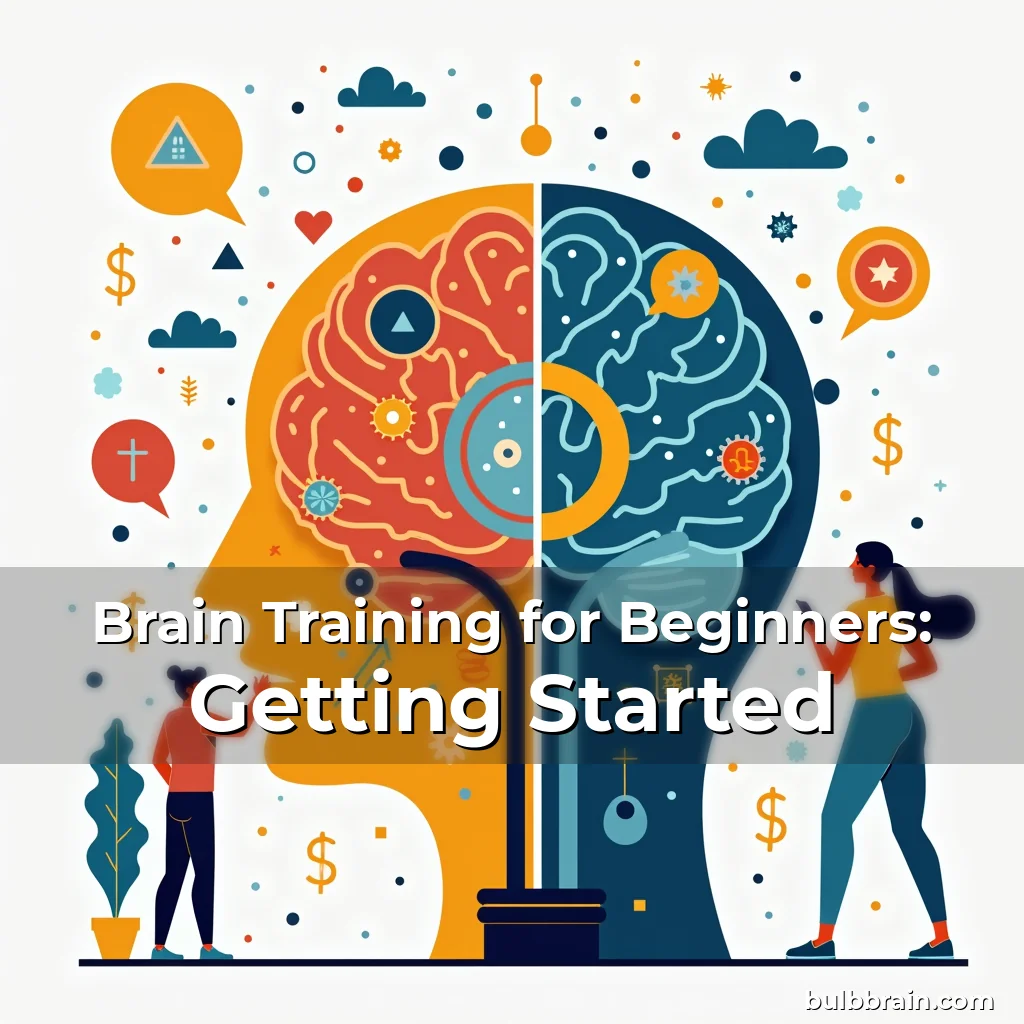
The Cognitive Boost: Unleashing Your Brain’s Full Potential Through Training
In an era where mental agility is often likened to physical fitness, brain training has emerged not merely as a trend but as a transformative practice for individuals across various age groups. From students aiming to enhance their academic performance to professionals seeking sharper decision-making skills, the allure of optimizing cognitive functions through targeted exercises continues to grow.
This article delves into the multifaceted world of brain training, exploring its scientific underpinings, diverse methodologies, and practical applications tailored to meet individual needs. Whether you’re a novice eager to begin your journey or someone looking to refine existing habits, these insights are designed to empower you toward achieving lasting mental vitality.
Understanding the Science Behind Brain Plasticity
At the core of effective brain training lies neuroplasticity—the remarkable ability of our brains to reorganize themselves by forming new neural connections throughout life. This biological phenomenon enables us to learn, adapt, and recover from injuries, making it a cornerstone concept within cognitive development fields.
Research indicates that engaging regularly in mentally stimulating activities can significantly increase synaptic density in regions associated with memory retention and problem-solving abilities. For instance, studies have shown that consistent participation in tasks requiring concentration boosts grey matter volume in areas responsible for attention control.
Neuroscientists emphasize that while genetics play a foundational role in determining baseline cognitive capacities, environmental factors such as education levels and lifestyle choices profoundly influence how well we utilize these innate potentials over time.
Moreover, recent advancements in neuroscience suggest that even older adults retain substantial capacity for neuroplastic changes when exposed consistently to novel learning experiences. These findings challenge outdated notions suggesting diminished cognitive flexibility solely due to aging processes.
Diverse Methods of Cognitive Engagement
Cognitive engagement encompasses a wide range of practices aimed at challenging different aspects of cognition including attention span, working memory, executive function, and emotional regulation. Each method caters uniquely based on personal goals and preferences.
Mental arithmetic puzzles serve as excellent tools for enhancing numerical processing speed alongside improving multitasking capabilities. Similarly, language acquisition programs stimulate linguistic proficiency which correlates positively with improved overall comprehension skills among learners.
Literature review shows that structured routines involving daily crossword challenges contribute meaningfully towards maintaining long-term verbal fluency especially among retirees who wish to preserve vocabulary richness without formal schooling structures.
Technology integration offers innovative approaches too; mobile apps now provide interactive games targeting specific cognitive domains ranging from spatial awareness to logical deduction—each crafted with principles grounded deeply in psychological research paradigms.
It’s crucial however to recognize individual variances affecting responsiveness rates across methods; what works wonders for one person might yield minimal results another simply because differences exist regarding initial skill sets prior exposure history etcetera.
- Memory enhancement techniques: Employing mnemonic devices like acronyms or visualization aids help encode information more effectively thereby increasing recall accuracy during retrieval phases.
- Attention training strategies: Incorporating mindfulness meditation sessions allows practitioners to develop heightened focus necessary both academically professionally and personally irrespective of current stressor levels present around them.
- Critical thinking frameworks: Engaging regularly with logic puzzles enhances analytical reasoning prowess vital whenever complex decisions need weighing against potential outcomes before committing oneself fully.
Evaluating Effectiveness Through Scientific Validation
To ensure optimal outcomes from any chosen approach, evaluating effectiveness remains paramount—an endeavor best approached systematically using validated metrics aligned closely with intended objectives whether they pertain primarily towards boosting intellectuality quotient scores or cultivating everyday functional competencies alike.
Standardized assessments administered pre/post intervention periods offer reliable data points indicating measurable improvements achieved post implementation period assuming consistency maintained throughout entire duration recommended by specialists.
Furthermore, longitudinal studies tracking participants’ progress over extended timelines reveal sustained benefits accrued particularly those focusing exclusively on building resilience against cognitive decline conditions prevalent amongst senior citizens worldwide today.
One notable example involves clinical trials examining effects wrought by digital interventions specifically designed to combat early signs indicative of dementia onset—results evidenced significant delay milestones compared against placebo cohorts thus validating therapeutic relevance thereof.
Designing Personalized Cognitive Regimens
Creating bespoke training plans requires understanding distinct learner profiles characterized predominantly via three interrelated dimensions namely interest alignment motivation thresholds and availability constraints influencing frequency intensity depth of engagement possible daily/weekly basis respectively.
For instance, individuals highly motivated yet possessing limited temporal resources may prefer high-intensity interval workouts akin to traditional gym regimes condensed efficiently into shorter durations yielding comparable gains relative longer conventional protocols.
Achieving ideal balance between enjoyment derived from selected activities versus effort invested ensures higher adherence probabilities critical success factor regardless domain pursued currently.
Prioritizing variety prevents stagnation induced boredom reducing likelihood attrition mid-journey thereby maximizing cumulative effect attained progressively along developmental trajectory envisioned initially.
Navigating Common Misconceptions About Mental Exercise
Broad misconceptions persist concerning efficacy limits imposed arbitrarily upon certain populations despite empirical evidence contradicting such assumptions outrightly. One widespread belief erroneously equates advanced age synonymous reduced receptivity capabilities negating chances meaningful transformation occurring thereafter.
Contrary claims supported robust datasets affirm capability retaining substantial plasticity features facilitating acquisitions novelties irrespective chronological markers unless pathological damage intervenes otherwise notably strokes traumatic head traumas etcetera.
Another fallacy revolves around notion only academic pursuits warrant serious consideration whereas leisure oriented endeavors deemed frivolous incapable contributing anything worthwhile toward intellectual capital augmentation neglecting intrinsic value inherent recreational stimulation provides cognitively speaking.
Additionally misunderstanding exists regarding immediate gratification expectations leading disillusionment subsequent cessation efforts prematurely before noticeable dividends materialize typically after several months devoted rigorous consistent application methodologies taught properly.
Integrating Technology Into Daily Practice Routines
Modern technological innovations revolutionize accessibility affordability convenience surrounding execution procedures formerly constrained geographical restrictions resource limitations etcetera enabling broader demographics inclusive young old intermediate users alike access quality instructional materials anytime anywhere globally.
Mobile applications exemplify prime candidates integrating gamified elements fostering intrinsic motivations compelling users maintain participation durations sufficient trigger desired neurological responses promoting continuous improvement trajectories.
Virtual reality platforms simulate immersive environments allowing experiential learning scenarios replicating real-world situations applicable medical professions engineering disciplines emergency services sectors amongst others necessitating precise rapid accurate judgments under pressure conditions.
Furthermore AI powered tutors customize lessons dynamically adjusting difficulty scales according user performance analytics ensuring personalized growth paths optimized efficiency avoiding plateaus encountered static curricula lacking adaptive characteristics inherently.
However caution advised respecting privacy policies governing collection usage sharing biometric health related sensitive personal identifiers contained within generated records throughout interaction lifecycle safeguarding against unauthorized disclosures breaches violating ethical standards established industry regulations compliance frameworks.
Support Systems Enhancing Long-Term Success
Sustaining momentum achieved during initial stages mandates establishment supportive networks comprised peers mentors experts providing encouragement guidance accountability mechanisms reinforcing commitment duration required reaching target benchmarks set forth originally.
Community involvement fosters camaraderie strengthening resolve enduring challenges inevitably arise pursuing ambitious targets exceeding comfort zones previously occupied regularly.
Coaching services professional trainers bring specialized knowledge addressing nuanced issues arising complexities managing multi-faceted demands balancing multiple priorities simultaneously without compromising quality standards expected outcome delivery.
Online forums dedicated niche interests cultivate shared experiences exchanging ideas troubleshooting difficulties collaboratively enhancing collective wisdom benefiting members exponentially beyond individual capacities alone achievable isolated attempts devoid external input sources.
Lastly institutional backing through educational establishments corporate entities governmental bodies accelerates dissemination adoption scalable solutions applicable wider audiences ensuring equitable distribution opportunities regardless socioeconomic backgrounds geographical locations varying degrees readiness preparedness initiating journeys embarked upon voluntarily.
Conclusion
Brain training stands out as powerful vehicle unlocking untapped reserves latent within every human mind waiting activation through deliberate systematic exploration guided principled framework rooted sound science research methodology.
By embracing diversity available modalities aligning personal aspirations crafting balanced schedules overcoming obstacles persistent myths leveraging technology support systems collectively compose holistic strategy transforming theoretical understandings actual tangible achievements demonstrable conclusively.

news is a contributor at BulbBrain. We are committed to providing well-researched, accurate, and valuable content to our readers.
You May Also Like

About news
Passionate about learning, cognitive science, and helping people unlock their full potential.