
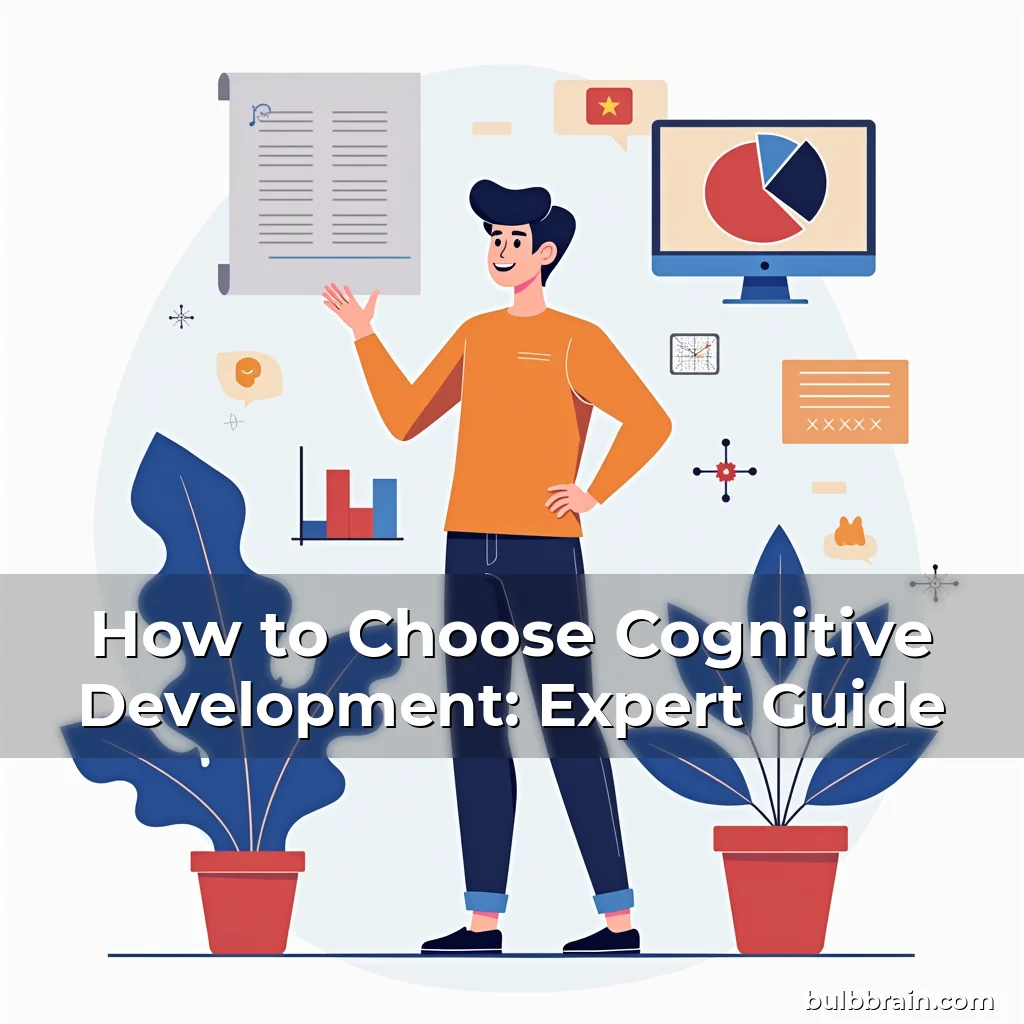
The Science Behind Cognitive Development: A Deep Dive Into Brain Growth and Learning Potential
Cognitive development is a complex process that shapes how we think, learn, and understand the world around us. From infancy through adulthood, our brains undergo remarkable transformations that influence everything from problem-solving skills to emotional intelligence.
This guide explores the science behind cognitive development, uncovering key stages, factors influencing growth, and practical strategies for enhancing mental abilities at every life stage.
The Foundations of Cognitive Development
Cognitive development begins in early childhood but lays its roots during prenatal stages. Neural connections form rapidly in the womb as sensory experiences shape brain architecture even before birth.
Babies are born with an incredible capacity for learning, demonstrated by their ability to recognize faces and respond to sounds within days of being born. This innate curiosity sets the foundation for lifelong intellectual exploration.
The first year of life is particularly critical for establishing neural pathways related to language acquisition and motor coordination. During this period, the brain develops at a rate three times faster than any other time in human life.
- Prenatal environment: Maternal nutrition, stress levels, and exposure to toxins significantly impact fetal brain development.
- Sensory stimulation: Early interaction with caregivers through touch, sound, and visual cues strengthens synaptic connections.
- Nutritional intake: Adequate protein, iron, and omega-3 fatty acids support optimal neurological growth in infants.
Research shows that children who receive consistent caregiver attention in their earliest months demonstrate better academic performance later in life. The quality of these interactions literally wires the brain’s executive functioning centers.
While genetics play a role in determining baseline cognitive potential, environmental enrichment can often override genetic limitations when provided consistently over time.
Stages of Cognitive Development According to Piaget
Jean Piaget revolutionized our understanding of cognitive development through his theory of four distinct stages that describe how children construct knowledge about the world.
In the sensorimotor stage (birth to age 2), infants learn primarily through physical interaction with objects. They develop object permanence – the understanding that things continue to exist even when out of sight.
During the preoperational stage (ages 2-7), children begin using symbols and language but remain egocentric, struggling to see situations from others’ perspectives. Their thinking becomes more symbolic rather than purely concrete.
The concrete operational stage (ages 7-11) marks significant advances in logical thinking. Children grasp conservation principles, recognizing that quantity remains constant despite changes in appearance.
Finally, in the formal operational stage (age 12+), individuals develop abstract reasoning capabilities. They can hypothesize, test theories, and consider multiple possibilities simultaneously.
Piaget’s framework provides crucial insights into developmental milestones, though modern research has refined some aspects of his original model. Contemporary studies suggest cognitive growth may be more continuous than previously thought.
Modern Perspectives on Cognitive Development
Current neuroscience reveals that cognitive development continues well beyond adolescence. Neuroplasticity allows the adult brain to reorganize itself throughout life, adapting to new information and experiences.
Magnetic resonance imaging (MRI) studies show that gray matter volume peaks in early adulthood while white matter increases steadily until around age 30. These structural changes correlate with enhanced decision-making abilities.
Executive functions such as working memory, inhibitory control, and cognitive flexibility mature gradually between ages 18-25. This period coincides with higher education and career establishment.
Emotional regulation also plays a vital role in cognitive development. Research indicates that adolescents who effectively manage emotions demonstrate better academic outcomes and social relationships.
Technological advancements have transformed our understanding of cognitive processes. Functional MRI scans now allow scientists to observe real-time brain activity during various tasks and learning scenarios.
Factors Influencing Cognitive Development
Several interrelated factors contribute to healthy cognitive development across the lifespan. Genetic predispositions interact continuously with environmental influences to shape individual differences.
Early childhood experiences leave lasting impressions on brain structure and function. Secure attachment bonds promote healthier stress response systems, which benefit long-term cognitive health.
Educational environments profoundly affect cognitive growth. Schools that emphasize hands-on learning and critical thinking foster stronger problem-solving abilities in students.
Socioeconomic status correlates strongly with access to educational resources, nutritious food, and healthcare services that support cognitive development. Disparities persist across different populations worldwide.
Diseases affecting the nervous system can disrupt normal cognitive development patterns. Conditions like ADHD and dyslexia require tailored interventions to maximize learning potential.
Lifestyle choices also impact cognitive trajectories. Regular physical exercise, sufficient sleep, and mentally stimulating activities maintain cognitive vitality across decades.
Nurturing Cognitive Growth Through Play
Play serves as fundamental vehicle for cognitive development in young children. It fosters creativity, enhances problem-solving abilities, and supports emotional regulation.
Free-play opportunities allow kids to explore cause-and-effect relationships naturally without structured guidance. Building forts or sorting toys teaches spatial awareness and categorization skills.
Interactive games involving rules help develop executive functions like impulse control and strategic thinking. Board games and sports teach patience and turn-taking behaviors.
Make-believe play stimulates imagination and perspective-taking abilities. Pretending to be doctors, astronauts, or chefs helps children understand different roles and responsibilities.
Outdoor play combines physical activity with cognitive engagement. Nature-based learning improves concentration spans and promotes holistic development.
Technology-assisted play offers benefits too, when used appropriately. Educational apps and interactive storytelling platforms enhance literacy and numeracy skills creatively.
Enhancing Cognitive Function Across Lifespan
Adults can actively engage in practices that strengthen cognitive reserves and delay age-related decline. Mental exercises like puzzles and reading stimulate neuroplasticity processes.
Lifelong learning keeps the mind agile and adaptable. Acquiring new languages, musical instruments, or technical skills maintains cognitive sharpness well into old age.
Physical exercise releases endorphins that protect against neurodegenerative diseases. Aerobic activities increase hippocampal volume linked to improved memory retention.
Social engagement prevents isolation-induced cognitive deterioration. Meaningful conversations challenge the brain and preserve communication skills.
Adequate sleep is essential for memory consolidation and information processing. Adults need 7-9 hours nightly to maintain optimal cognitive function.
Healthy diets rich in antioxidants and omega-3 fatty acids nourish brain cells. Foods like blueberries, leafy greens, and fish support cognitive maintenance.
Cognitive Development Challenges and Interventions
Developmental delays present challenges that require specialized intervention approaches. Early identification through screening tools enables timely support programs.
Speech therapy addresses language disorders affecting comprehension and expression. Visual aids and alternative communication methods assist nonverbal learners.
Occupational therapists work with children having sensory processing difficulties. Customized activities help them regulate responses to stimuli effectively.
Behavioral therapies treat conditions like ADHD through positive reinforcement techniques. Structured routines provide predictability that reduces anxiety and impulsivity.
Special education programs offer modified curricula tailored to diverse learning needs. Individualized Education Plans ensure appropriate accommodations are made.
Parent training equips families with strategies to support child development at home. Consistent application of therapeutic techniques reinforces progress outside clinical settings.
Fostering Cognitive Development in Diverse Populations
Children from culturally diverse backgrounds bring unique perspectives that enrich cognitive development experiences. Recognizing cultural variations informs inclusive teaching methodologies.
Language barriers sometimes hinder cognitive assessment accuracy. Bilingual assessments ensure fair evaluation of true abilities regardless of primary language proficiency.
Immigrant communities face special challenges due to acculturation pressures. Supportive programs help maintain native language skills while acquiring necessary academic English competencies.
Neurodiverse individuals benefit from adaptive technologies that facilitate learning. Assistive devices enable participation in mainstream educational environments.
Community-based initiatives bridge resource gaps in underserved areas. Mobile clinics and telehealth options expand access to specialist care globally.
Global collaborations advance research on effective cognitive development interventions. Sharing best practices accelerates improvements in educational systems worldwide.
Measuring Cognitive Development Progress
Assessment tools provide objective measures of cognitive progression at different developmental phases. Standardized tests evaluate core domains systematically.
IQ testing gauges general intellectual abilities, though experts caution against interpreting scores as fixed traits. Multiple intelligences frameworks offer broader perspectives.
Observational checklists track milestone achievements in young children. Caregivers report daily accomplishments that indicate typical development ranges.
Screening questionnaires identify potential concerns early enough for intervention. Parent-completed forms highlight red flags requiring professional consultation.
Longitudinal studies follow participants over years to detect trends and correlations. These data inform policy decisions regarding educational reforms.
Technology-enabled assessments use gamified formats to engage users comfortably. Digital platforms collect real-time analytics for personalized feedback loops.
Future Directions in Cognitive Development Research
Ongoing scientific inquiry seeks deeper understanding of molecular mechanisms governing cognition. Epigenetic research investigates how genes express themselves differently under varying conditions.
Artificial intelligence applications analyze vast datasets to discover predictive patterns in cognitive development. Machine learning algorithms refine diagnostic accuracy progressively.
Personalized medicine aims to tailor interventions based on genetic profiles. Targeted therapies promise optimized outcomes for individuals with specific cognitive vulnerabilities.
Virtual reality simulations create immersive learning environments that enhance skill acquisition. Interactive scenarios improve retention rates through experiential learning.
Brain-computer interfaces open exciting possibilities for augmenting cognitive capacities. Direct neural communication could revolutionize how humans interact with technology.
Interdisciplinary collaboration brings together psychologists, educators, and technologists. Cross-pollination of ideas sparks innovative solutions for global cognitive development challenges.
Conclusion
Cognitive development encompasses a wide spectrum of biological, psychological, and environmental influences shaping human intellect. Understanding these dynamics empowers individuals to optimize their own growth journeys.
By applying evidence-based strategies across different life stages, anyone can cultivate resilience and adaptability in an ever-changing world. Continuous learning remains central to maintaining cognitive vitality throughout life.

news is a contributor at BulbBrain. We are committed to providing well-researched, accurate, and valuable content to our readers.
You May Also Like

About news
Passionate about learning, cognitive science, and helping people unlock their full potential.