
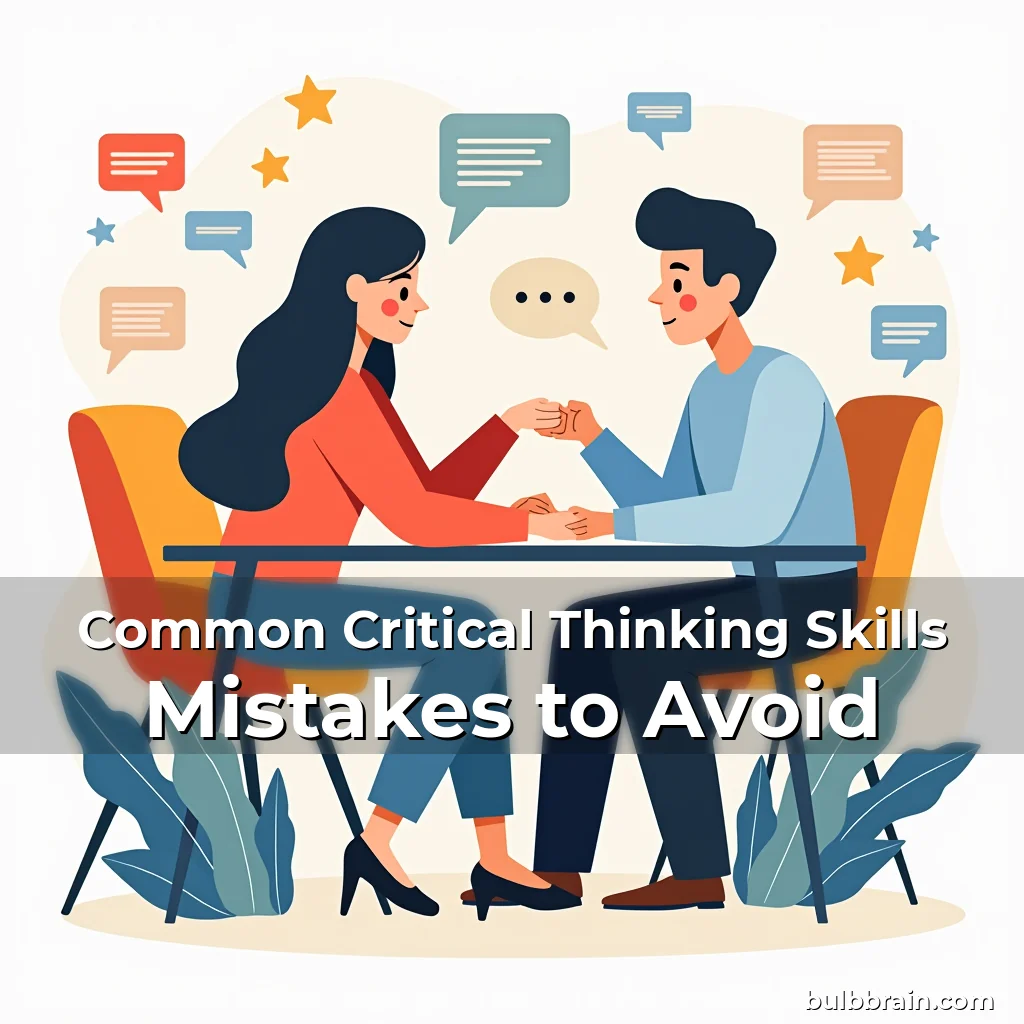
Common Critical Thinking Skills Mistakes to Avoid
Critical thinking is often hailed as a cornerstone of intellectual growth, problem-solving, and informed decision-making. Yet many individuals unknowingly fall prey to recurring mistakes that undermine their ability to think clearly and objectively.
These missteps range from cognitive biases to flawed analytical practices, and recognizing them is the first step toward improvement. This article explores the most common critical thinking errors and offers practical solutions to avoid them.
The Pitfall of Over-Relying on Intuition
Intuition plays a vital role in quick decisions, but overdependence on gut feelings can lead to poor judgments. While instincts are useful in familiar situations, they often fail in complex scenarios requiring analysis.
Overreliance on intuition ignores data, logic, and external perspectives. This habit risks perpetuating stereotypes, reinforcing personal biases, and missing opportunities for deeper insight.
- Mistake: Trusting instinct without verifying facts. For example, assuming a product works because it feels right, not due to evidence.
- Solution: Balance intuitive responses with systematic evaluation. Ask questions like, “What proof supports this belief?” before acting.
The Dangers of Confirmation Bias
Confirmation bias—the tendency to seek out information confirming existing views—is one of the deadliest threats to objective thinking. It distorts perception, limits learning, and fosters echo chambers.
This bias manifests in everyday choices, from political opinions to health decisions. People unconsciously dismiss contradictory evidence, entrenching themselves in outdated or incorrect ideas.
How Confirmation Bias Affects Learning
Studies show that students who suffer from confirmation bias struggle to grasp nuanced topics. They may selectively remember facts that align with their preconceptions, leading to gaps in knowledge.
In academic settings, teachers observe learners prioritizing familiar arguments over novel ones, even when the latter are stronger. This undermines critical engagement with material.
Failing to Question Assumptions
A hallmark of critical thinkers is their willingness to challenge assumptions. However, many people accept premises as truths without scrutiny, limiting their capacity to solve problems effectively.
Unquestioned assumptions can stem from cultural norms, past experiences, or authority figures. For instance, believing that success equates to wealth overlooks diverse definitions of achievement.
- Mistake: Accepting statements like “This has always been done this way” as valid reasons for action.
- Solution: Practice deconstruction. Ask, “Why do we assume this? What alternatives exist?” to expose hidden prejudices.
Emotional Reactivity Overshadowing Logic
Strong emotions—fear, anger, excitement—can hijack rational thought. When overwhelmed, individuals prioritize immediate reactions over measured analysis, leading to impulsive behavior.
Recognizing emotional triggers is crucial. For example, someone angry at a colleague might jump to blame rather than considering situational factors like stress or misunderstandings.
Tips for Managing Emotionally Charged Decisions
Take time to pause before responding. Techniques like deep breathing or writing down thoughts can
Effective questions probe underlying motives, reveal connections, and stimulate further investigation. In contrast, vague inquiries yield minimal value.
- Mistake: Using yes/no questions exclusively, which restrict conversation flow and prevent elaboration.
- Solution: Employ open-ended phrasing like “How did that experience shape your perspective?” to invite richer discussions.
Disregarding the Importance of Feedback
Feedback is invaluable for refining critical thinking skills, yet many individuals resist it, viewing input as criticism rather than growth opportunities.
Rejection of feedback reinforces blind spots and stagnation. Those unwilling to hear constructive suggestions miss chances to enhance their analytical capabilities.
Constructive Ways to Receive Feedback
Approach feedback with openness. Recognize that comments aim to improve performance, not diminish worth. Separate the message from the messenger.
Act on feedback incrementally. Implement changes gradually, assessing outcomes to determine effectiveness without feeling overwhelmed.
Assuming All Information Is Equal
Critically analyzing information demands discernment between reliable and unreliable sources. Treating all inputs equally dilutes credibility and spreads falsehoods.
Distinguishing fact from opinion becomes challenging when everyone’s voice carries equal weight online. This blurs lines between expert consensus and fringe theories.
- Mistake: Sharing articles from dubious websites without verification.
- Solution: Evaluate source credentials. Check author qualifications, publication reputation, and citation practices before accepting claims.
Conclusion
Mastering critical thinking requires vigilance against these common pitfalls. By addressing them proactively, individuals cultivate sharper minds capable of navigating today’s complex world.
To build resilience against these errors, commit to lifelong learning. Regularly review your thought patterns, stay curious, and embrace discomfort associated with questioning deeply held beliefs.

news is a contributor at BulbBrain. We are committed to providing well-researched, accurate, and valuable content to our readers.
You May Also Like


About news
Passionate about learning, cognitive science, and helping people unlock their full potential.