
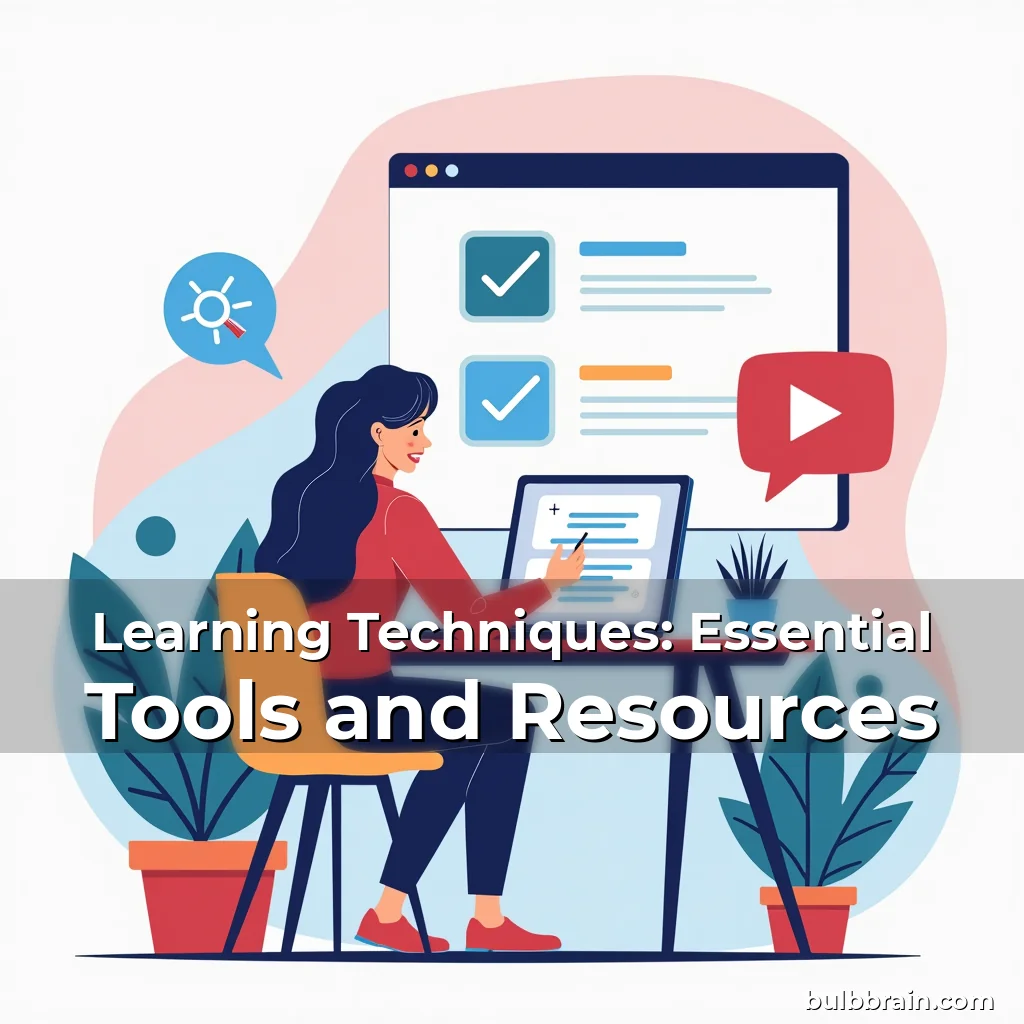
Learning Techniques: Essential Tools and Resources
In an era where knowledge is power, mastering effective learning techniques can transform your educational journey from passive absorption to active mastery. Whether you’re a student preparing for exams, a professional seeking upskilling opportunities, or someone simply passionate about lifelong learning, understanding these strategies will empower you to learn faster, retain information longer, and apply new skills effectively.
The right approach to studying isn’t just about spending hours reading textbooks—it’s about leveraging proven methods that align with how our brains naturally process and store information. By integrating science-backed practices such as spaced repetition and active recall, you can create powerful mental frameworks that enhance memory retention and critical thinking abilities across various subjects.
The Science Behind Effective Learning
Your brain functions much like a muscle; it requires regular exercise through targeted practice to grow stronger over time. Research shows that when we engage in deliberate practice—focusing intently on challenging tasks—we trigger neural pathways that lead to long-term memory formation. This biological mechanism underpins many modern teaching methodologies designed to maximize cognitive development.
One key factor influencing successful learning is attention span. The average human concentration lasts only around 90 minutes before requiring rest, which explains why traditional classroom settings often break lessons into shorter segments. Recognizing this natural rhythm allows learners to structure their study sessions strategically without burning out mentally.
- Cognitive Load Theory: Suggests dividing complex topics into manageable chunks so they don’t overwhelm working memory capacity. For example, instead of memorizing an entire biology textbook at once, focus on specific chapters weekly.
- Interleaving: Involves alternating between different types of problems or subjects during study periods rather than focusing solely on one area. Studies indicate this technique enhances problem-solving skills by forcing the brain to switch contexts frequently.
Active Recall vs Passive Review
A common misconception among students is equating rereading notes with true comprehension. However, research consistently demonstrates that actively recalling information from memory leads to significantly better retention rates compared to mere passive review. This principle forms the foundation behind flashcards and self-testing routines widely used in academic circles today.
When practicing active recall, start simple by asking yourself questions based on what you’ve studied. As confidence grows, increase difficulty by incorporating more open-ended queries that require synthesizing concepts rather than rote memorization. Consistency plays a vital role here since repeated exposure strengthens synaptic connections associated with stored memories.
Spaced Repetition Systems
This method involves reviewing material at increasing intervals after initial learning—a strategy rooted in Ebbinghaus’ forgetting curve theory. Digital tools now make implementing such schedules effortless through apps that automatically determine optimal revision times based on individual performance data.
Anki is perhaps one of the most popular platforms utilizing spaced repetition algorithms. It works by showing users cards with questions Over months, this systematic reinforcement ensures durable long-term retention of even highly technical subjects.
Elaborative Interrogation and Self-Explanation
To truly understand a concept beyond surface-level familiarity, try employing elaborative interrogation—an inquiry-based technique involving asking ‘why’ questions relentlessly until full clarity emerges. This deep dive encourages connecting new ideas with existing knowledge networks within your mind.
Complementing this approach is self-explanation training, where you verbalize each step taken during problem-solving processes aloud. Doing so helps identify gaps in understanding early on because explaining things verbally demands higher-order processing capabilities that passive consumption lacks entirely.
- Why It Works: These methods tap into metacognition—the ability to think about one’s own thinking—which has been shown to boost intellectual growth substantially when practiced regularly.
- Application Examples: A physics student might ask, “Why does gravity affect objects differently depending on mass?” while another history learner could ponder, “How did economic policies shape societal changes in ancient Rome?”
Feynman Technique: Simplify to Learn Deeply
Richard Feynman’s eponymous learning strategy emphasizes distilling complicated subjects down to basic language without jargon or assumptions. Begin by selecting a topic you want to master thoroughly, then attempt to explain its core principles using simple terms anyone could grasp easily—even a child would benefit!
If parts feel confusing mid-explanation, revisit those areas until they become crystal clear. Keep refining your simplified version iteratively until it feels intuitive enough to teach others successfully. This iterative feedback loop reveals hidden misunderstandings and reinforces solid foundational knowledge simultaneously.
Mind Mapping for Visual Learners
Visual thinkers may find mind mapping particularly beneficial as it organizes thoughts spatially rather than linearly. Using branches radiating outward from central themes lets you see relationships between subtopics instantly, making abstract connections tangible and memorable.
Software programs like XMind offer digital alternatives allowing easy modification anytime, but hand-drawn versions also work well initially since sketching manually engages motor memory alongside visual cortex activation. Experiment with color coding or icons representing different categories further personalizing maps according to preferred styles.
Teaching Others as a Study Tool
Explaining material to someone else forces you to restructure information logically from scratch, uncovering potential weaknesses in your current understanding along the way. Teaching doesn’t necessarily mean lecturing formally—simple acts like summarizing points to peers or writing blog posts serve equally well.
Studies show that individuals who tutor classmates typically score higher themselves due largely to increased engagement levels required during preparation phases. You can simulate this effect independently by recording voiceovers detailing lecture summaries or creating infographics highlighting key takeaways visually.
Leveraging Technology Smartly
Digital resources provide unprecedented access to diverse learning materials but must be approached critically lest distractions derail progress completely. Curate playlists containing only relevant videos rather than aimlessly browsing channels hoping something useful pops up occasionally.
Use browser extensions blocking distracting websites during focused study blocks. Set strict time limits for each session followed by scheduled breaks ensuring productivity remains high throughout extended marathon learning days. Remember technology supports goals but shouldn’t replace them entirely.
Nurturing Lifelong Learning Habits
Establishing consistent routines around reading habits, journaling reflections, setting achievable milestones, etc., lays groundwork necessary for sustained curiosity throughout life stages. Even small daily commitments yield cumulative benefits measurable years later thanks primarily to compounding effects inherent in continuous improvement models.
Engage communities online sharing experiences discussing latest developments within chosen fields. Participate actively whenever possible whether commenting under articles, attending webinars live, joining forums dedicated exclusively towards exploring niche interests passionately held by members worldwide.
Overcoming Common Challenges
Procrastination often stems from unclear objectives or excessive fear failure preventing initiation altogether. Combat these barriers through goal segmentation—breaking daunting projects into smaller digestible components each carrying defined completion criteria.
Burnout prevention relies heavily upon recognizing warning signs promptly including persistent fatigue despite adequate sleep, declining motivation unrelated external pressures, heightened irritability toward previously enjoyed activities. Schedule periodic reassessments evaluating current workload against available energy reserves adjusting accordingly whenever imbalances detected.
Evaluating Your Progress Effectively
Regular assessments help track improvements accurately identifying areas needing extra attention versus strengths already mastered sufficiently. Mix informal quizzes testing conceptual grasp randomly selected questions alongside formal examinations mirroring actual test environments closely.
Reflective journals documenting successes/failures encountered daily assist pinpointing patterns emerging over time clarifying precisely what tactics worked best personally. Adjust methodology flexibly responding dynamically changing needs evolving skillsets demanding adaptation continuously.
Conclusion
Mastering learning techniques transforms passive recipients of knowledge into proactive architects shaping their own intellectual landscapes. Through conscious application of scientifically validated approaches tailored specifically toward individual preferences styles, anyone can unlock remarkable potentials lying dormant waiting patiently inside every curious mind ready explore discover expand horizons endlessly.
Begin experimenting now applying few select methods mentioned earlier gradually expanding repertoire confidently knowing that each small step forward contributes meaningfully toward achieving greater understanding ultimately leading fulfilling rewarding journeys filled discovery growth enlightenment wherever path may lead next.

news is a contributor at BulbBrain. We are committed to providing well-researched, accurate, and valuable content to our readers.
You May Also Like

About news
Passionate about learning, cognitive science, and helping people unlock their full potential.