
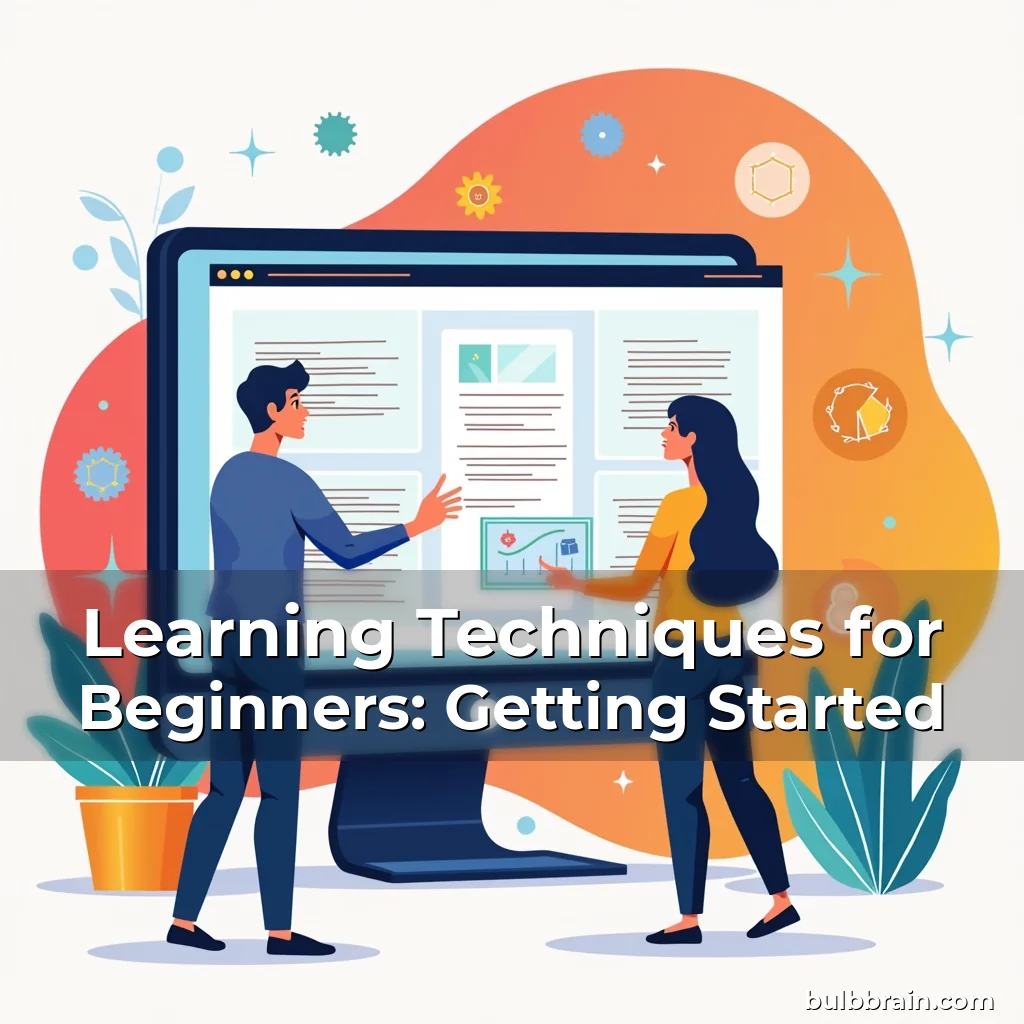
Mastering Learning Techniques: Unlock Your Full Potential
In today’s fast-paced world, mastering effective learning techniques is essential for personal growth and professional success. Whether you’re tackling new skills at work or diving into hobbies that ignite your curiosity, having the right strategies can make all the difference.
The journey towards becoming an efficient learner begins with understanding various methods tailored to different types of information absorption. From active recall exercises to spaced repetition systems, there are numerous approaches designed to enhance memory retention and comprehension levels significantly.
The Power of Active Recall
Active recall is one of the most powerful yet underutilized learning techniques available today. It involves actively trying to remember information instead of passively reviewing notes or textbooks.
This method forces your brain to retrieve knowledge from long-term memory rather than simply re-reading material which often leads only to temporary memorization without true understanding.
Studies have shown that students who regularly practice active recall perform better on exams compared those relying solely on rereading study guides or flashcards.
- Engage deeply: By challenging yourself through questions or self-testing, you create stronger neural connections related to what you’re studying.
- Boost confidence: Successfully retrieving facts boosts self-efficacy beliefs crucial for continued motivation during complex subjects.
Spaced Repetition Systems Explained
A Spaced Repetition System (SRS) helps learners retain information over time by scheduling reviews based on how well they remembered previous sessions.
These algorithms adjust intervals between repetitions depending upon difficulty level; harder topics get reviewed sooner while easier ones come up less frequently.
Tools like Anki and Quizlet implement SRS effectively allowing users customize decks according to their individual needs making them perfect companions for language acquisition or medical studies alike.
Crafting Effective Study Environments
Your physical surroundings play a critical role in determining how efficiently you absorb new knowledge. A cluttered workspace might lead distraction whereas organized areas promote concentration.
Consider implementing minimalist decor choices focusing mainly on task-oriented items such as notebooks, pens, computers etc., keeping everything else out sight reduces cognitive load helping maintain focus longer periods.
Additionally ensuring adequate lighting conditions both natural daylight exposure whenever possible along artificial sources provide optimal visibility reducing eye strain especially when reading lengthy texts online.
Multisensory Learning Approaches
Leveraging multiple senses enhances engagement levels dramatically improving overall effectiveness across diverse educational settings.
Variety includes auditory stimuli via podcasts/videos complemented visual aids found within diagrams infographics charts thereby catering varying preferences among individuals.
Tactile experiences also contribute immensely particularly beneficial kinesthetic learners preferring hands-on activities rather passive consumption alone.
Combining these modalities creates immersive environments where abstract concepts become tangible reinforcing deeper conceptual grasp necessary mastery advanced topics.
Pomodoro Technique & Time Management Strategies
The Pomodoro Technique offers structured approach managing daily tasks enhancing productivity without burnout risks commonly associated prolonged screen times typical modern lifestyles.
Working in focused increments usually twenty-five minutes followed five-minute breaks cycle repeated several times before taking extended rest ensures sustained mental clarity throughout study sessions.
Implementing this strategy prevents fatigue accumulation enabling consistent progress toward goals whether preparing examinations acquiring technical expertise fields requiring continuous education updates.
Fostering Growth Mindset Through Reflection Practices
Reflection practices encourage introspection facilitating identification strengths weaknesses contributing ongoing improvement cycles vital lifelong learning journeys.
Maintaining journals documenting achievements challenges encountered provides tangible evidence tracking development trajectories guiding future decisions regarding resource allocation efforts invested skill enhancement processes.
Regularly assessing outcomes against initial objectives allows recalibration strategies aligning actions closely desired results maintaining momentum throughout evolving phases academic pursuits career advancement endeavors.
Navigating Obstacles During Learning Processes
Encountering obstacles inevitable part every learning endeavor necessitating adaptive problem-solving capabilities addressing setbacks promptly minimizing negative impacts performance metrics.
Common barriers include lack motivation diminishing returns perceived difficulties leading premature abandonment projects requiring persistence beyond initial discomfort zones.
Strategies combatting these issues involve setting realistic expectations celebrating small victories consistently reminding oneself purpose behind undertaking particular challenge fostering intrinsic drive required enduring hardships inherent growth opportunities.
Conclusion
By integrating these proven learning techniques into daily routines, individuals can unlock unprecedented levels of efficiency and achievement across varied domains.
Whether aiming proficiency languages mastering coding fundamentals expanding business acumen adopting mindful habits cultivating resilience facing uncertainties ahead embracing versatile toolkit equips navigating complexities contemporary landscape confidently.

news is a contributor at BulbBrain. We are committed to providing well-researched, accurate, and valuable content to our readers.
You May Also Like


About news
Passionate about learning, cognitive science, and helping people unlock their full potential.