
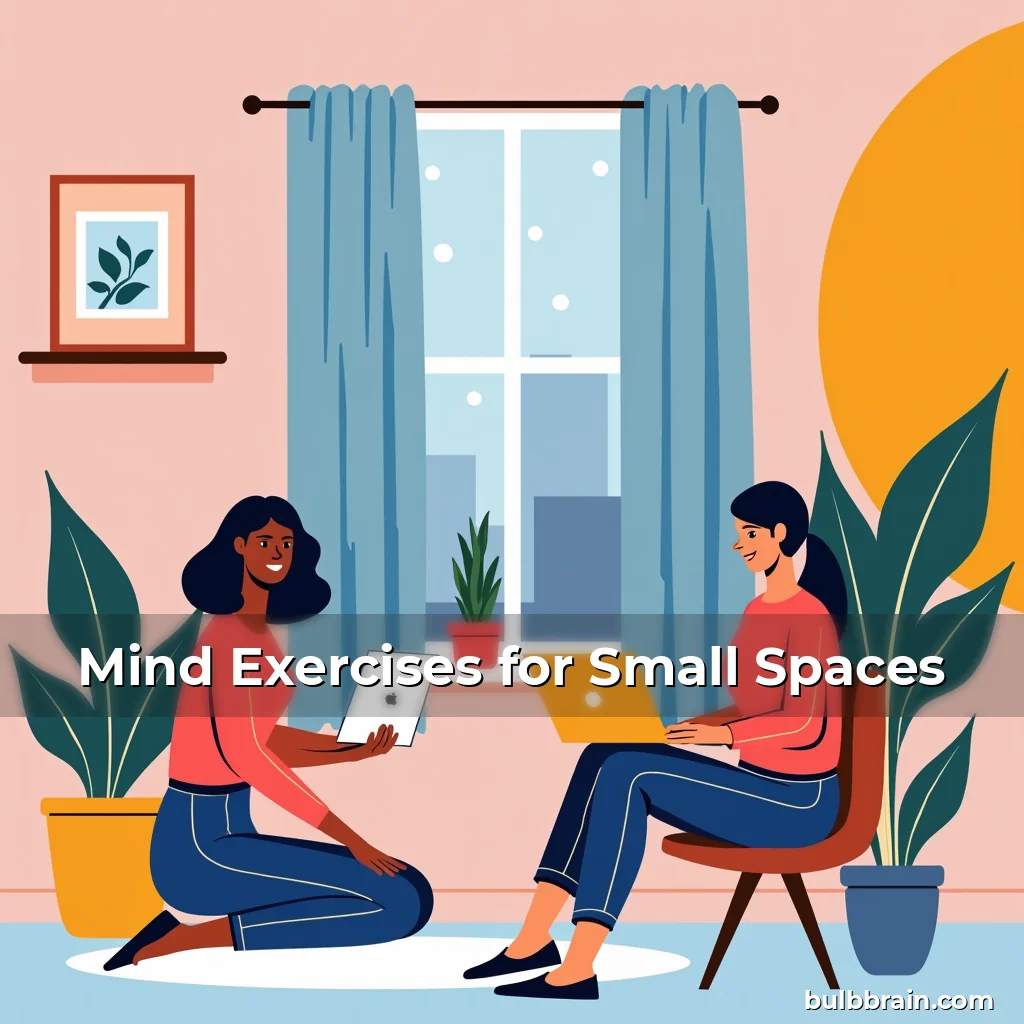
Mind Exercises for Small Spaces
In today’s fast-paced world, finding moments to sharpen your mind can feel overwhelming. Whether you’re in a cramped apartment, a busy office, or simply pressed for time, mind exercises offer powerful solutions tailored to fit small spaces and schedules.
These exercises aren’t just about saving physical room—they’re about optimizing mental capacity. From quick daily rituals to deep dives into cognitive challenges, they transform limited environments into limitless opportunities for growth.
The Power of Mindfulness Meditation in Confined Areas
Mindfulness meditation stands out as one of the most accessible mind exercises. It requires nothing but a quiet corner and a few minutes of undivided attention. In small spaces, this simplicity becomes a strength. You can meditate anywhere—even on a park bench or beside your workspace.
Studies show that regular mindfulness reduces stress and improves concentration. Its portability makes it ideal for people who struggle to find dedicated meditation rooms. All you need is a cushion, a timer, and a willingness to pause.
- Create a micro-meditation spot: A corner with a mat or blanket can become your sanctuary. Decorate it with calming colors or plants to signal calmness.
- Use guided sessions: Apps or podcasts provide structured guidance, helping beginners establish rhythm without needing elaborate setups.
Cognitive Challenges That Fit Any Space
Cognitive exercises like puzzles and logic problems thrive in small spaces because they demand little beyond curiosity and focus. Sudoku boards, crossword grids, or even smartphone apps occupy minimal physical area while offering immense mental rewards.
Engaging these challenges regularly strengthens neural pathways linked to problem-solving. They foster resilience against cognitive decline and enhance creativity. Best of all, they require no special equipment—just a pen, paper, or screen.
- Vary difficulty levels: Rotate between easy and challenging tasks to avoid plateaus and sustain interest.
- Set time goals: Aim for 10–15 minutes daily to build consistency without burnout.
Breathing Techniques for Mental Clarity in Tight Situations
Breathing exercises are among the simplest yet most effective mind tools. Deep, controlled respiration calms the nervous system instantly, making them perfect for high-stress scenarios or tight workspaces.
Tech-savvy individuals might prefer wearable devices tracking breath patterns, while others rely on apps guiding slow inhales and exhales. Both approaches yield similar results: reduced anxiety and heightened alertness.
- Box breathing: Inhale for four counts, hold for four, exhale for four, and hold again. Repeat cycles to stabilize mood quickly.
- Diaphragmatic breathing: Focus on expanding the abdomen rather than chest for deeper oxygen intake, promoting relaxation.
Memory Training Through Repetition and Association
Enhancing memory doesn’t require vast study halls—it can occur during routine tasks. Linking new information with familiar items creates vivid mental anchors. This technique works exceptionally well in small spaces where visual stimuli are concentrated.
For instance, associating grocery list items with objects near you transforms memorization into an interactive game. Repeating associations aloud or drawing connections visually reinforces retention without extra effort.
- Method of loci: Imagine placing each item from your to-do list in a specific location within your immediate environment. Walk through those spots mentally to recall details.
- Chunking: Group numbers or words into smaller units (e.g., splitting phone numbers into three parts) to reduce cognitive load during memorization.
Visualization Practices for Spatial Awareness
Visualizing places, processes, or outcomes sharpens spatial awareness and imaginative skills. This form of mental rehearsal is particularly beneficial in compact living arrangements where visual clutter can overwhelm the senses.
Begin by picturing yourself navigating your home blindfolded. Gradually expand this to complex routes outside. Visualization builds confidence and enhances orientation abilities—an asset whether indoors or outdoors.
- Imagery walks: Close your eyes and visualize walking through your neighborhood, noting landmarks, textures, and sounds as though physically present.
- Construction simulations: Mentally design furniture layouts or renovations before implementing changes physically. This trains foresight and adaptability.
Leveraging Digital Tools Without Overloading Your Space
Digital platforms provide endless possibilities for mind exercises without requiring additional storage. Many applications deliver workouts, flashcards, or auditory prompts that operate seamlessly from smartphones or tablets.
Selecting minimalist interfaces prevents distractions. Opt for apps with clean designs that prioritize functionality over flashy animations. Regular updates ensure alignment with evolving cognitive research standards.
- Brain-training apps: Platforms like Lumosity or Peak offer scientifically validated modules targeting memory, attention, and processing speed.
- Audio learning: Podcasts featuring lectures on history, science, or philosophy stimulate intellectual growth passively during commutes or chores.
Physical Movement as Cognitive Stimulation
Even minor movements boost blood flow to the brain, enhancing alertness and mood. Simple stretches or yoga poses executed in confined quarters serve dual purposes—physical fitness and mental rejuvenation.
Gym memberships are unnecessary when chair-based exercises suffice. Twisting torso motions, seated leg lifts, or toe curls activate muscles while diverting mental energy from static thought loops.
- Chair aerobics: Perform squats, arm circles, or marching in place while sitting. These low-impact moves prevent stiffness and promote circulation.
- Floor exercises: If space permits, try planks, lunges, or push-ups to elevate heart rate and oxygen delivery to grey matter regions responsible for decision-making.
Social Interaction Exercises Within Limited Environments
Human connection stimulates emotional intelligence and social cognition. Engaging with neighbors, coworkers, or virtual communities enriches perspectives and encourages empathy—all vital aspects of holistic development.
Initiating conversations about shared interests fosters bonding without demanding extensive personal space. Online forums or local meetups allow exploration of diverse viewpoints safely and comfortably.
- Micro-interactions: Greet someone new briefly—a smile or handshake—can initiate meaningful relationships that lead to broader networks later.
- Group activities: Join clubs centered around hobbies like cooking, reading, or gaming. Shared passions naturally encourage collaborative learning experiences.
Nutritional Strategies Supporting Brain Health
Adequate nutrition fuels mental acuity and supports overall health. Certain foods contain compounds proven to improve synaptic plasticity—the brain’s ability to reorganize itself by forming new connections.
Omega-3 fatty acids found in fish oil support neuronal communication, while antioxidants from berries combat oxidative damage associated with aging. Incorporating these nutrients smartly elevates efficiency gained through other mind exercises.
- Blueberry smoothies: Blend frozen blueberries with spinach and almond milk for antioxidant-rich breakfasts boosting memory retention.
- Omega-3 sources: Include salmon, chia seeds, or flaxseed oil in meals twice weekly to sustain long-term cognitive vitality.
Designing Thoughtful Daily Routines Around Mental Growth
Routine integration turns sporadic efforts into sustainable habits. Allocating fixed times each day exclusively for mind exercises establishes predictability, reducing resistance often encountered when initiating change.
Variety keeps routines dynamic; alternate between active pursuits (like physical movement) and passive ones (such as listening to educational audiobooks). Adjustments made gradually maintain motivation and engagement over extended periods.
- Time blocking: Schedule 15-minute slots for focused practice blocks, preventing multitasking-induced fatigue common during fragmented attempts.
- Progress tracking: Maintain logs documenting improvements noticed after consistent application of chosen methodologies.
Overcoming Common Obstacles in Practicing Mind Exercises
Despite best intentions, obstacles frequently derail progress. Recognizing typical barriers enables proactive mitigation strategies, turning potential setbacks into learning opportunities instead of reasons to abandon efforts.
Lack of motivation arises mainly due to monotony or perceived insignificance of achievements. Introducing gamified elements or sharing successes publicly can reignite enthusiasm lost over time.
- Accountability partners: Find someone equally committed to share journey milestones, encouraging mutual reinforcement through peer interaction.
- Adaptive scheduling: Flexibly shift session timings based on energy peaks observed individually throughout days/weeks.
Evaluating Long-Term Benefits Beyond Immediate Outcomes
While instant gratifications are tempting, true value emerges from sustained commitment spanning months or years. Measurable gains include sharper analytical thinking, improved sleep quality, and greater emotional regulation capacities.
Longitudinal studies confirm lasting effects resulting from continuous mental stimulation. Participants demonstrating regular participation reported enhanced life satisfaction metrics compared to control groups lacking structured regimens.
- Cognitive reserve: Consistent engagement builds protective buffers against neurodegenerative diseases like Alzheimer’s by increasing alternative neural pathways usable during crises.
- Resilience factors: Enhanced coping mechanisms developed through disciplined practice help manage unexpected challenges more gracefully.
Conclusion
Mind exercises offer profound advantages adaptable to virtually any setting—including small spaces. Their effectiveness relies less on external circumstances than on internal dedication cultivated progressively through deliberate choices.
To maximize impact, integrate variety, consistency, and purpose into daily practices. Remember: even modest investments yield significant returns when applied persistently toward nurturing resilient, agile minds capable of thriving amid uncertainty.

news is a contributor at BulbBrain. We are committed to providing well-researched, accurate, and valuable content to our readers.
You May Also Like



About news
Passionate about learning, cognitive science, and helping people unlock their full potential.