
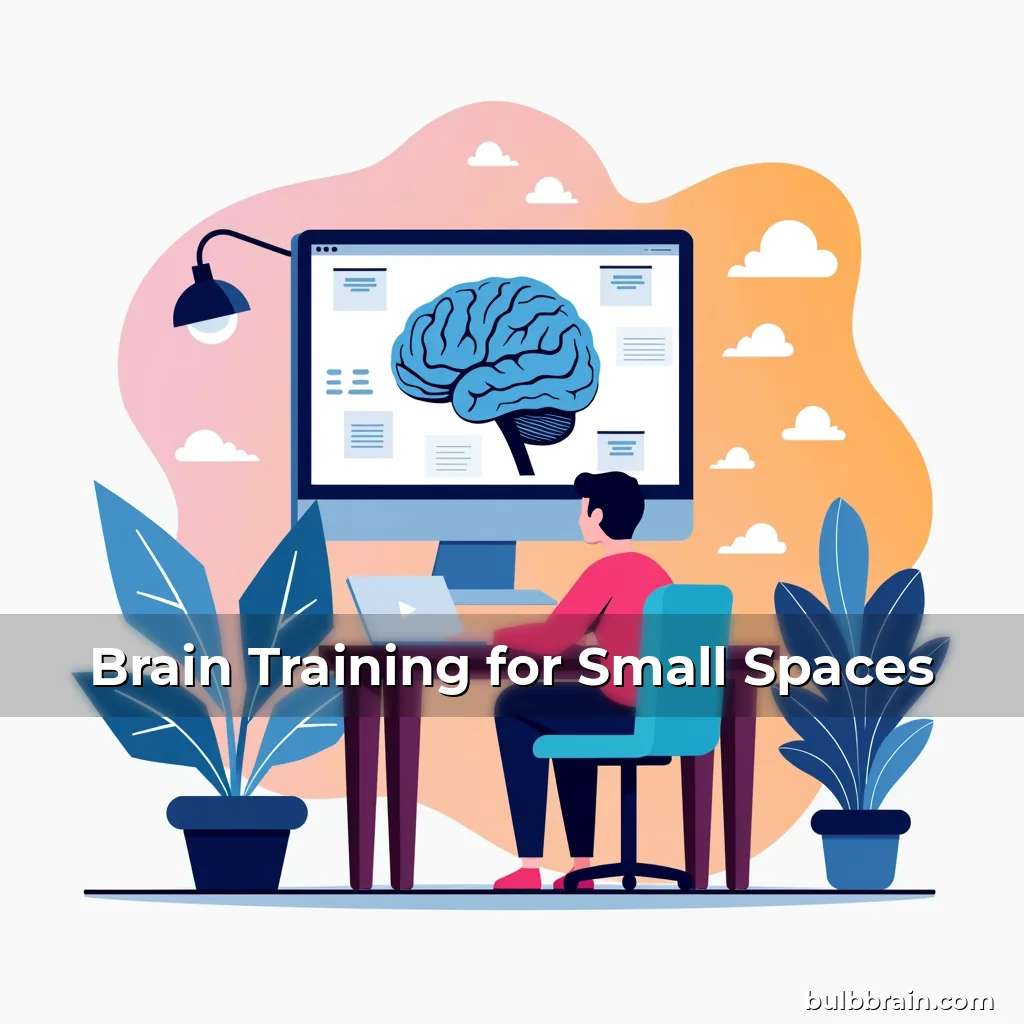
Brain Training for Small Spaces
In today’s fast-paced world, finding time and space for personal development can feel overwhelming. Yet, brain training remains one of the most powerful tools for enhancing cognitive function, regardless of your environment.
The beauty of brain training lies in its adaptability—it doesn’t require vast resources or expansive settings. With the right approach, anyone can thrive mentally, even in cramped quarters or busy schedules.
Understanding Brain Plasticity
Your brain has an incredible ability called plasticity—the capacity to reorganize itself by forming new neural connections. This process allows us to learn, adapt, and recover from injuries.
Plasticity isn’t limited to childhood; adults can harness it too. Regular mental challenges stimulate neurogenesis, the creation of new neurons, particularly in areas linked to memory and problem-solving.
- Mental stimulation: Engaging in novel tasks keeps synaptic pathways active and strong, promoting long-term brain health.
- Adaptation through repetition: Consistent practice reinforces neural networks, making once-challenging tasks automatic over time.
Types of Brain Exercises
There are countless ways to train your mind effectively. From traditional puzzles to digital apps, the options reflect diverse learning styles and preferences.
Cognitive flexibility exercises, such as switching between tasks or solving multi-step problems, enhance executive functions. These skills help manage stress and navigate complex situations efficiently.
Physical Activity and Cognitive Health
Exercise isn’t just good for the body—it significantly impacts brain function. Aerobic workouts increase blood flow to the brain, improving oxygen delivery and nutrient absorption.
Even simple movements like walking or stretching release endorphins, which reduce inflammation and promote neuronal growth. Combining physical activity with mental challenges amplifies these benefits.
Designing a Personalized Routine
A successful brain-training regimen depends on consistency rather than intensity. Aim for daily engagement, even if only for ten minutes at a time.
Vary your methods to avoid stagnation. Alternate between memory drills, logic puzzles, and creativity-based tasks to maintain engagement and holistic development.
- Schedule strategically: Incorporate brain exercises into existing habits, such as morning coffee rituals or bedtime routines.
- Track progress: Maintain a journal to note improvements in concentration, recall, or mood changes tied to specific activities.
Leveraging Technology for Mental Fitness
Digital platforms offer accessible tools tailored to various cognitive domains. Apps like Lumosity or Peak provide gamified experiences designed to sharpen attention spans and processing speed.
Virtual reality systems now simulate immersive scenarios that test spatial awareness and decision-making abilities in controlled environments, pushing boundaries beyond conventional methods.
Data-Driven Insights from Wearables
Modern wearables track biometric data related to cognitive states, offering real-time feedback on mental fatigue levels and alertness periods.
Analyzing patterns in sleep quality or heart rate variability alongside study sessions helps identify optimal times for focused work versus relaxation phases.
Creating Mindful Spaces for Focus
While physical space might be limited, creating zones dedicated to intellectual pursuits enhances productivity. Even small corners can become sanctuaries when thoughtfully arranged.
Incorporate elements that minimize distractions: soft lighting reduces eye strain, and natural sounds promote calmness essential for deep concentration periods.
Nutrition’s Role in Cognitive Enhancement
What we eat profoundly affects brainpower. Nutrients rich in omega-3 fatty acids support healthy cell membranes, vital for efficient signal transmission among nerve cells.
Foods high in antioxidants combat oxidative stress, protecting against age-related decline. Examples include blueberries, dark chocolate, and leafy green vegetables known for their neuroprotective properties.
- Hydration matters: Dehydration impairs cognitive functions including reaction speeds and memory retention capabilities.
- Balanced meals: Eating regularly prevents energy crashes that disrupt focus during intensive mental work sessions.
Managing Stress Through Cognitive Practices
Chronic stress diminishes prefrontal cortex efficiency, impairing judgment and emotional regulation abilities. Techniques aimed at reducing anxiety bolster overall mental resilience.
Mindfulness meditation trains the brain to observe thoughts without immediate reaction, fostering greater control over impulses and emotions affecting clarity of thought.
Combating Burnout with Scheduled Breaks
Prolonged cognitive exertion leads to burnout symptoms such as irritability and decreased motivation. Implement Pomodoro techniques alternating twenty-five-minute intervals with five-minute rests proved beneficial.
During pauses, engage in light movement or deep breathing exercises to refresh neural circuits responsible for sustained attention and analytical thinking processes.
Social Interaction and Cognitive Growth
Humans evolved as social beings whose minds thrived through communal exchanges. Meaningful conversations challenge assumptions and expand perspective-taking capacities.
Engaging with others who think differently encourages divergent thinking skills useful in innovation contexts requiring outside-the-box solutions.
Cultivating Creativity Within Constraints
Limited spaces often spark ingenuity in artistic expression. Restrictive conditions force unconventional approaches leading to breakthrough ideas previously unexplored.
Restricting materials used in projects promotes resourcefulness. Whether crafting from recycled items or composing music using minimal instruments, constraints breed originality.
- Imagination as muscle: Just like athletic muscles grow stronger with use, creative faculties develop through consistent application despite limitations imposed by surroundings.
- Limitations = Inspiration: Constraints act similarly to writing prompts providing direction allowing exploration within defined parameters fostering unexpected results.
Building Long-Term Habits Around Learning
Sustainable transformation occurs gradually through habit formation rather than isolated efforts. Establishing routine behaviors makes continuous improvement achievable irrespective of external circumstances.
Start small by dedicating fifteen minutes twice weekly toward mastering a skill relevant to current interests or goals, expanding frequency progressively once comfort level increases sufficiently.
Evaluating Progress and Adjusting Strategies
Periodically reviewing achievements identifies strengths needing further reinforcement along with gaps warranting adjustment in methodologies employed thus far.
Seek peer comparisons cautiously—while benchmarking provides insight, comparing oneself negatively impacts self-esteem unnecessarily. Focus solely on individual growth trajectories instead.
Overcoming Common Challenges in Brain Training
Consistency becomes difficult amid shifting priorities demanding resilience towards setbacks caused by temporary interruptions disrupting planned regimens.
Maintaining intrinsic motivation proves challenging when immediate rewards remain elusive compared to quicker gratifications found elsewhere tempting abandonment early stages of commitment.
- Reward system design: Implement tangible incentives reinforcing desired outcomes aligning closely with personal values increasing adherence likelihood significantly.
- Accountability partners: Sharing objectives publicly creates pressure preventing procrastination through shared expectations managing completion probabilities favorably.
Conclusion
Brain training offers transformative potential accessible everywhere—even amidst chaos. By embracing adaptability inherent within human cognition, individuals unlock remarkable possibilities shaping both professional success and everyday happiness together.
Begin today by selecting one micro-habit contributing positively toward lifelong intellectual enrichment journey awaiting those willing invest deliberately small yet impactful actions consistently forward-thinking manner.

news is a contributor at BulbBrain. We are committed to providing well-researched, accurate, and valuable content to our readers.
You May Also Like



About news
Passionate about learning, cognitive science, and helping people unlock their full potential.