
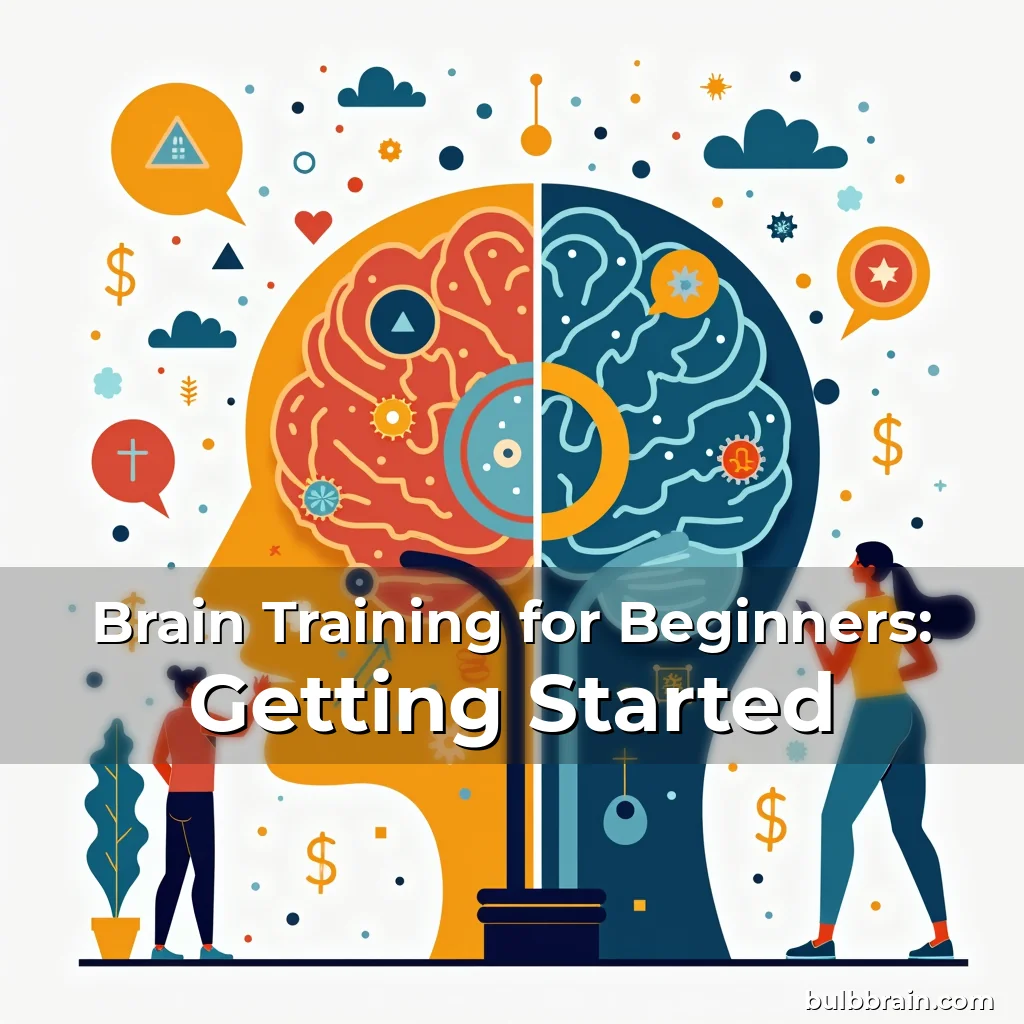
Unlocking Your Cognitive Potential: A Beginner’s Journey into Brain Training
The human brain is an extraordinary organ capable of remarkable feats, yet many individuals overlook its potential through consistent mental exercise. As we navigate the complexities of modern life, maintaining cognitive health has become increasingly vital.
With the rise of digital platforms offering innovative brain-training solutions, now is an ideal time to explore these tools that can enhance memory, boost problem-solving skills, and sharpen overall mental acuity.
Understanding the Foundations of Brain Training
At its core, brain training involves engaging in activities designed to challenge and strengthen neural pathways within the brain. These exercises are similar to physical workouts but target different aspects of cognitive function such as attention span, processing speed, and logical reasoning.
Scientific research supports the notion that regular engagement with mentally stimulating tasks can lead to measurable improvements in cognitive abilities over time. This concept aligns closely with neuroplasticity—the brain’s ability to reorganize itself by forming new connections throughout life.
A common misconception is that brain training solely pertains to high-tech applications found online or in mobile apps; however, traditional methods like reading, puzzles, and strategic games also serve as effective forms of mental stimulation.
Experts emphasize the importance of consistency when it comes to any form of brain training regimen. Just like building muscle requires regular exercise sessions, nurturing your mind demands routine participation in thought-provoking activities.
Incorporating varied types of mental challenges ensures comprehensive development across various domains including creativity, analytical thinking, and emotional intelligence.
It’s essential to understand that while some people may experience rapid results from targeted exercises others might see progress at a slower pace depending upon factors like age, lifestyle choices, and pre-existing conditions affecting neurological functions.
Selecting Effective Brain Training Tools
Evaluating which type of brain training tool suits you best begins with identifying personal goals—whether they involve improving concentration levels during work hours or enhancing recall capabilities for academic purposes.
Traditional options such as crosswords, Sudoku puzzles, and chess offer excellent opportunities for practicing pattern recognition, deductive reasoning, and spatial awareness without requiring technological assistance.
Digital resources provide interactive experiences tailored specifically towards individual needs with features like adaptive difficulty settings and performance tracking mechanisms that help measure progress objectively.
Mobile applications have gained significant popularity due to their accessibility and convenience allowing users to engage in short bursts of focused practice even amidst busy schedules.
When choosing between conventional versus electronic mediums consider not only effectiveness but also enjoyment factor since sustained interest plays crucial role in long-term commitment towards maintaining an active mind.
- Puzzles: Stimulate critical thinking and enhance decision-making processes
- Meditation Apps: Improve focus and reduce stress levels contributing positively toward cognitive clarity
- Language Learning Platforms: Boost multitasking abilities by simultaneously challenging linguistic comprehension alongside memorization techniques
- Cognitive Assessment Tests: Identify areas needing improvement providing clear direction regarding future efforts
Some popular digital platforms known for delivering quality educational content include Lumosity, Peak, and CogniFit each catering slightly differently based on user preferences ranging from casual gamers looking for fun diversions right up through professionals seeking specialized skill enhancement programs.
Designing a Personalized Brain Workout Routine
Creating a personalized brain workout schedule starts by assessing available daily free periods which could range anywhere between thirty minutes to two hours depending largely upon individual circumstances.
To ensure optimal benefits from any chosen method maintain consistency rather than focusing purely on duration—it’s better to perform smaller amounts regularly than attempt sporadic intense sessions occasionally.
Beginners often find success starting slowly perhaps dedicating fifteen minutes every other day initially before gradually increasing frequency once comfortable patterns emerge naturally without feeling overwhelmed.
Varying activity types prevents stagnation keeping both motivation levels high and preventing repetitive strain injuries analogous those experienced physically though less likely cognitively speaking still worth noting.
Tracking progress using either built-in application analytics or manually recorded logs helps monitor achievements reinforcing positive behaviors associated with continued adherence to established routines.
The Science Behind Successful Brain Training
Research conducted by leading neuroscience institutions reveals intriguing findings indicating that structured mental exercises significantly contribute toward delaying onset symptoms related to dementia and Alzheimer’s disease among aging populations.
Studies published in reputable journals demonstrate increased grey matter volume after participants engaged consistently with designated cognitive enhancement regimens suggesting tangible biological changes occurring within brains subjected ongoing stimulation.
Functional MRI scans show heightened connectivity between distinct regions responsible governing higher-order functions proving real-time evidence supporting theoretical models previously proposed regarding neuroplastic adaptation capacities inherent within human nervous systems.
Moreover longitudinal studies track cohort groups over extended timelines revealing correlation between lifelong engagement with diverse intellectual pursuits equate lower incidence rates observed concerning degenerative disorders affecting central nervous structures.
This scientific backing underscores importance placing value upon investing time energy developing robust cognitive habits early establishing foundation ensuring resilience against future challenges posed irrespective environmental factors external influences impacting mental wellness status quo.
Key Findings from Recent Research Studies
A recent meta-analysis spanning five years analyzed data collected globally showing average improvement percentages upwards twenty percent across multiple indicators measuring executive functioning post-intervention period.
Participants who maintained rigorous weekly commitments demonstrated greater gains compared those adhered loosely resulting conclusion emphasizing necessity sustaining effort regardless immediate gratification levels perceived during initial phases implementation process.
Fascinatingly younger adults exhibited faster acquisition speeds whereas older counterparts showed gradual enhancements necessitating patience persistence achieving desired outcomes especially amongst senior demographics where baseline scores typically start lower relative peers.
These revelations encourage tailoring approaches considering demographic specifics adjusting expectations accordingly fostering realistic aspirations promoting sustainable practices avoiding frustration stemming unrealistic comparisons benchmarking success metrics improperly calibrated standards.
Navigating Common Misconceptions About Brain Training
One widespread belief circulating widely asserts single session sufficient achieving substantial breakthroughs; however reality paints much grayer picture demanding cumulative exposure generating noticeable differences overtime.
Misunderstanding exists regarding equivalence existing between video game play cognitive exertion comparable dedicated puzzle solving asserting neither superior nor inferior simply differing methodologies approaching same objective strengthening mental faculties.
Many assume quick fixes promise miracles overnight transformation disregarding fundamental principles underlying physiological adaptations required transforming raw input stimuli meaningful outputs demonstrating enhanced capacities.
Dispelling myths surrounding so-called “miracle cures” marketed aggressively exploits fear exploiting lack knowledge prompting consumers invest heavily products lacking empirical validation substantiating claims presented.
Recognizing limitations intrinsic nature human cognition enables setting achievable targets circumventing disappointment arising unmet anticipations potentially deterring further exploration avenues otherwise beneficial pursuing holistic approach self-improvement journey.
Finally understanding variability interindividual responses dictates acceptance fluctuating rates progression acknowledging uniqueness inherent everybody’s path unfolds according own rhythm dictated genetic makeup lifestyle choices environmental interactions shaping ultimate trajectory.
Bridging Technology And Traditional Methods In Modern Brain Training
Integrating technology with classical learning modalities provides synergistic effects amplifying efficacy beyond isolated implementations alone.
Smart devices equipped sensors capture biometric feedback monitoring physiological markers indicative cognitive load thereby optimizing session intensity dynamically adapting algorithms recalibrating difficulty thresholds automatically according real-time performance fluctuations.
Augmented reality interfaces simulate immersive environments mimicking complex scenarios requiring multi-faceted solutions exercising various dimensions intellect concurrently fostering holistic development surpassing singular domain specialization.
Virtual coaching assistants employ AI-driven behavioral analysis detecting patterns predicting likelihood relapse slipping back old habits proactively intervening nudges reminders scheduling alerts encouraging compliance recommended protocols prescribed regimens.
This fusion innovation tradition creates balanced ecosystem enabling learners harness advantages contemporary advancements retain authenticity foundational teachings essential cultivating strong resilient minds capable navigating unpredictable landscapes faced everyday existence.
Building A Supportive Environment For Sustained Mental Growth
Fostering environment conducive continuous growth pivotal maintaining momentum embarked upon venture exploring untapped potentials residing dormant corners consciousness awaiting activation.
Surround yourself community members sharing similar interests exchanging ideas resources collaborative spirit propels collective advancement elevates everyone involved attaining heights individually unreachable solo endeavors.
Leverage social media networks joining discussion forums participating webinars attending local workshops events expanding horizons connecting dots previously invisible obscured veils ignorance limiting perspectives narrow mindedness.
Create accountability system employing buddy system mutual check-ins goal-setting milestones celebrating victories however small reinforce sense accomplishment fueling desire push boundaries conquer next hurdle appear daunting initially.
Establish routine incorporating brain training seamlessly daily schedule minimizing disruptions maximizing utilization fragmented moments converting idle seconds productive intervals contributing incrementally toward overarching objectives pursued diligently consistently relentlessly.
Frequently Asked Questions About Starting With Brain Training
How long does it take to notice improvements from brain training?
Individuals often report slight increases attentiveness sharper reflexes approximately four weeks steady practice although full realization varies greatly dependent numerous variables discussed earlier sections.
Are there risks involved with excessive brain training?
Overexertion possible especially beginners unfamiliar pacing limits prudent advisable pacing oneself taking periodic rests replenishing energies prevent burnout undermining long-term sustainability efforts made.
Can children benefit from brain training too?
Absolutely! Age-appropriate activities suitable developmental stages promote healthy cognitive development laying groundwork solid foundations future learning experiences.
What if I don’t enjoy typical brain games?
No need force preference select alternatives matching personal inclinations whether music composition mathematical modeling abstract art anything stimulating imagination activating different sectors cerebral cortex.
Is brain training useful for people with medical conditions?
Consult healthcare provider determine suitability customized program addressing specific concerns ensuring safety effectiveness measures implemented correctly following professional guidance received beforehand initiating course action.
Conclusion
Embarking on a journey of brain training opens doors to countless possibilities enhancing not just cognitive prowess but also enriching overall well-being.
By embracing diverse strategies combining technological innovations traditional wisdom crafting bespoke plans aligned personal ambitions creating supportive ecosystems around ourselves we position ourselves optimally succeed thrive amidst ever-evolving world constantly demanding adaptability flexibility ingenuity.

news is a contributor at BulbBrain. We are committed to providing well-researched, accurate, and valuable content to our readers.
You May Also Like


About news
Passionate about learning, cognitive science, and helping people unlock their full potential.