
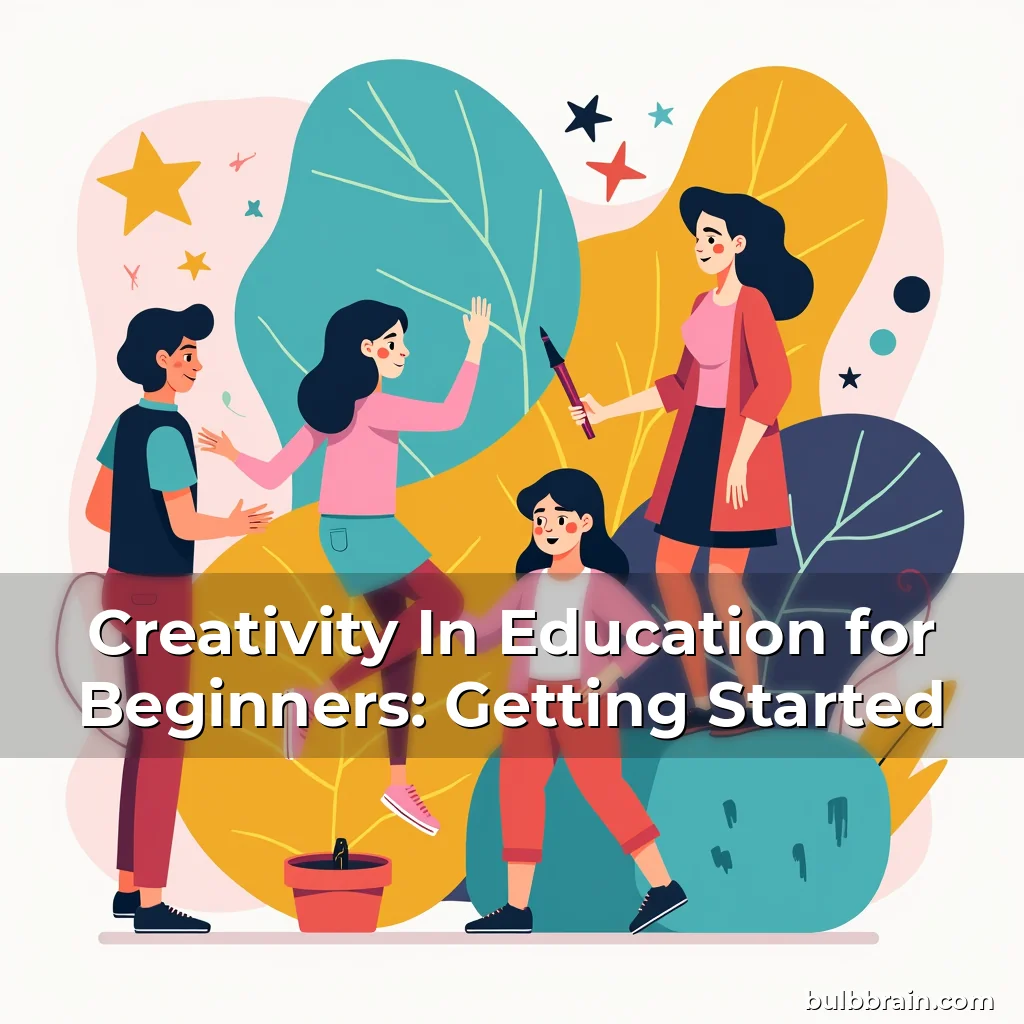
Igniting Innovation: Fostering Creativity in Educational Settings
In today’s rapidly evolving world, creativity stands out as a vital skill that transcends traditional academic boundaries. It empowers learners to think critically, solve problems innovatively, and adapt effectively to new situations.
The modern classroom demands a shift from rote memorization towards creative exploration. This transformation requires educators to reimagine teaching methodologies that nurture imagination and originality among students.
The Foundation of Creative Thinking in Education
Creative thinking forms the bedrock of intellectual growth and personal development. It enables individuals to approach challenges from diverse perspectives and devise unconventional solutions.
Research indicates that early exposure to creative activities significantly enhances cognitive flexibility and emotional intelligence in children. These traits become essential as students navigate complex global issues later in life.
Educational institutions play a crucial role in cultivating environments where curiosity thrives. By integrating arts, music, drama, and other expressive mediums into curricula, schools foster holistic development.
A study conducted by the National Endowment for the Arts found that students engaged in regular artistic pursuits demonstrated higher levels of engagement and better academic performance across subjects.
- Divergent thinking: Encourages generating multiple solutions to single problems, promoting open-mindedness.
- Lateral thinking: Helps connect seemingly unrelated ideas, leading to innovative breakthroughs.
- Risk-taking: Allows experimentation without fear of failure, nurturing resilience and perseverance.
Reimagining Teaching Methods for Creative Engagement
Traditional lecture-based instruction often stifles creative potential by prioritizing standardized outcomes over individual expression. Educators must adopt dynamic pedagogical approaches that stimulate intrinsic motivation.
Project-based learning offers an effective alternative, allowing students to tackle real-world challenges collaboratively. This method encourages ownership of learning processes and promotes interdisciplinary connections.
Flipped classrooms enable personalized pacing while freeing class time for hands-on activities. Students review material independently before applying concepts during interactive sessions.
Game-based learning leverages digital platforms to transform abstract theories into immersive experiences. Gamification elements such as rewards systems increase participation rates notably.
Socratic seminars provide structured dialogue spaces where critical inquiry flourishes. Participants engage in thoughtful discussions rather than passive reception of information.
Tech Integration: Enhancing Creativity Through Digital Tools
Technology serves as both a catalyst and facilitator for creative expression in contemporary education. When used strategically, digital tools expand possibilities for artistic creation and collaborative problem-solving.
Virtual reality simulations allow students to explore historical events or scientific phenomena interactively. These experiential encounters deepen understanding through multisensory engagement.
Artificial intelligence-powered platforms offer adaptive feedback mechanisms that personalize learning trajectories according to individual strengths and weaknesses.
Cloud-based collaboration suites support cross-cultural projects connecting classrooms globally. Such initiatives cultivate empathy and broaden worldview perspectives.
Augmented reality apps transform static textbooks into interactive experiences, making abstract concepts tangible and relatable for visual learners.
Digital Storytelling Platforms
Digital storytelling combines narrative techniques with multimedia elements to produce compelling educational content. Tools like Adobe Spark and Canva empower users to design visually striking presentations.
These platforms encourage synthesis of textual analysis with audiovisual composition skills. Students learn to communicate ideas persuasively through curated media selections.
According to EdTech Magazine survey results, 86% of K-12 teachers reported increased student engagement after incorporating digital storytelling components into lessons.
Beyond mere presentation enhancement, digital narratives develop metacognitive abilities by requiring creators to reflect upon message clarity and audience receptiveness.
Redefining Assessment Practices to Value Creativity
Conventional grading systems frequently overlook non-cognitive competencies by focusing solely on quantifiable metrics. Reformulating evaluation criteria can help recognize creative achievements meaningfully.
Portfolios serve as comprehensive records showcasing iterative progress over time. Unlike exams, they capture qualitative aspects of growth such as conceptual evolution and stylistic refinement.
Peer assessments promote reflective practices wherein students evaluate each other’s work constructively. This process develops critical observation skills alongside interpersonal communication abilities.
Self-assessment rubrics guide learners toward introspection regarding their own creative processes. Identifying areas needing improvement becomes part of continuous development cycles.
Multidimensional evaluations consider various facets including originality, execution quality, thematic coherence, and technical proficiency simultaneously.
Overcoming Barriers to Implementing Creative Pedagogy
Despite its clear advantages, widespread adoption of creative teaching faces numerous obstacles ranging from institutional constraints to cultural resistance.
Standardized testing regimes prioritize uniformity over diversity, creating disincentives for experimental teaching approaches within rigid frameworks.
Limited resources pose significant challenges particularly in underserved communities lacking access to cutting-edge technologies or specialized training programs.
Teacher preparedness remains another critical factor; many lack sufficient professional development opportunities focused explicitly on fostering creativity systematically.
Cultural perceptions equating creativity with frivolous behavior sometimes hinder serious consideration of imaginative learning modalities in formal settings.
- Policy reform: Advocacy efforts aimed at revising accreditation standards favoring innovative practices.
- Resource allocation: Lobbying for equitable distribution of technological infrastructure and materials.
- Professional development: Creating mentorship networks supporting ongoing teacher growth in creative domains.
Success Stories: Institutions Leading the Way
Pioneering schools worldwide demonstrate successful implementation of creative educational models yielding measurable improvements in student outcomes.
Finland’s progressive system emphasizes play-based learning combined with minimal homework loads, resulting in consistently high PISA scores despite reduced emphasis on test preparation.
High Tech High network in California integrates project-based learning across disciplines, producing graduates adept at tackling multifaceted real-world challenges.
New Zealand’s Ministry of Education supports maker spaces equipped with robotics kits, 3D printers, and coding stations enabling hands-on discovery through trial-and-error.
Montessori schools globally maintain child-centered environments where self-directed exploration drives natural curiosity and lifelong learning dispositions.
Case Study: Singapore’s Future Schools Initiative
Singapore’s initiative aims to prepare students for emerging economic landscapes by embedding computational thinking and design mindset principles across curricula.
This program includes weekly creative hours dedicated exclusively to open-ended investigations without predefined objectives or deadlines.
Data shows participating students exhibit enhanced problem-solving agility compared to peers in conventional classrooms.
Teachers receive extensive training in facilitating guided discovery rather than direct instruction, transforming them into mentors rather than lecturers.
Future Trends Shaping Creative Education
Emerging technologies continue redefining possible avenues for creative expression within educational contexts. Understanding upcoming innovations helps anticipate future developments.
Immersive simulation software allows virtual field trips to inaccessible locations, democratizing experiential learning regardless of geographic limitations.
Blockchain technology could revolutionize credential verification by securely storing portfolios demonstrating creative milestones achieved throughout one’s educational journey.
Advancements in neurotechnology promise deeper insights into how brains process creative tasks, informing more precise instructional strategies tailored to individual cognitive profiles.
Global connectivity via satellite internet expands access to international creative collaborations previously restricted by physical proximity barriers.
Cultivating A Culture Of Continuous Improvement
Fostering creativity requires sustained commitment from all stakeholders involved in the educational ecosystem. Collective effort ensures long-term sustainability of innovative practices.
Educational leaders must champion systemic changes that align administrative policies with progressive teaching philosophies emphasizing creativity.
Parents play pivotal roles by modeling creative behaviors at home and encouraging risk-taking attitudes beneficial for developing resilient thinkers.
Community partnerships provide authentic learning opportunities connecting classroom theory with real-world applications enhancing relevance and engagement levels.
Ongoing research into best practices keeps educators informed about evolving methodologies continually refining approaches to creative instruction.
Conclusion
Creativity in education represents more than just an add-on feature—it constitutes fundamental redesign of how we conceive learning itself. Its implications extend far beyond academic achievement metrics.
By embracing imaginative teaching approaches supported by technological advancements and supportive policy frameworks, we unlock unprecedented potentials for human advancement. The journey toward fully realizing creative education’s promises necessitates collective action across all levels of society.
To initiate meaningful change, start small yet purposefully: identify one aspect of your current practice where creative interventions could enhance learning experiences positively. Commit to implementing it thoughtfully and observe transformative effects unfold organically.

news is a contributor at BulbBrain. We are committed to providing well-researched, accurate, and valuable content to our readers.
You May Also Like

About news
Passionate about learning, cognitive science, and helping people unlock their full potential.