
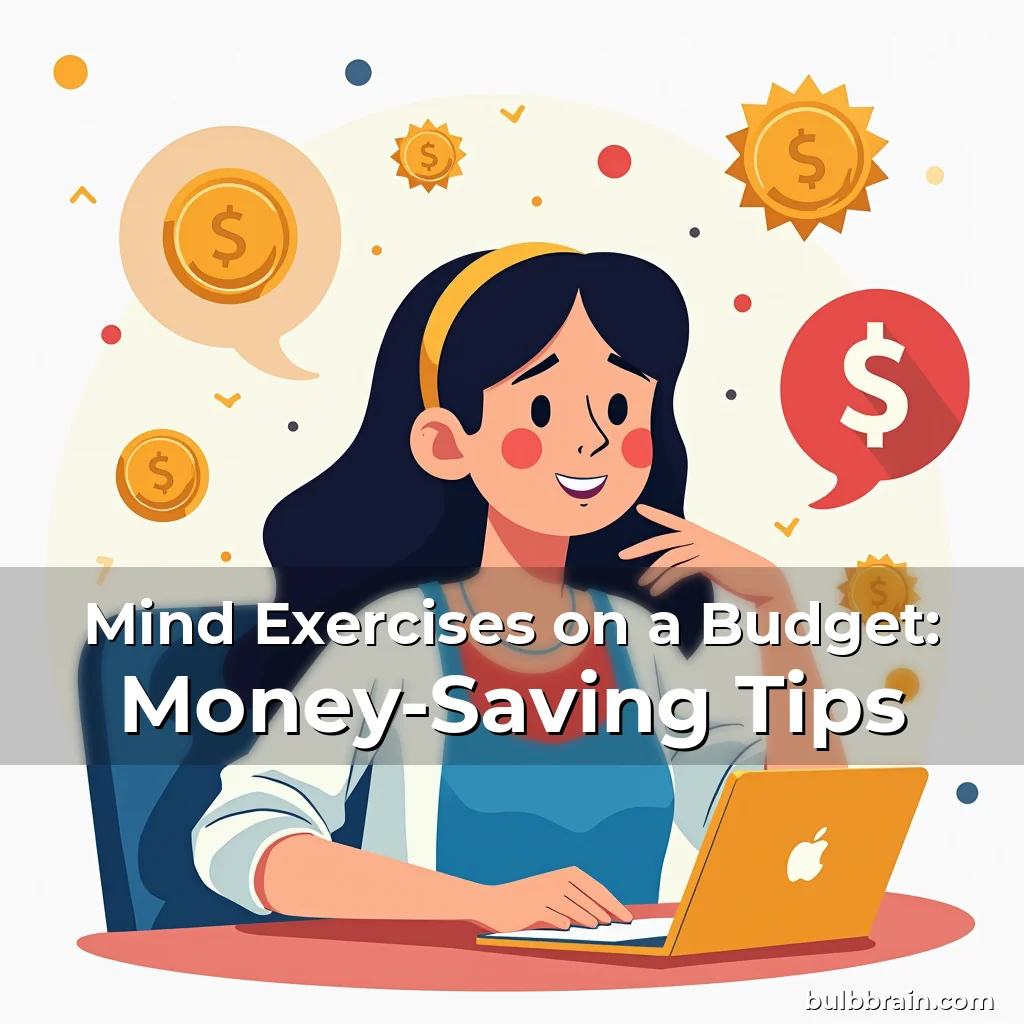
Unlock Your Potential: Creative Mind Exercises Without Breaking the Bank
In today’s fast-paced world, nurturing your mental agility isn’t just a luxury—it’s essential. Whether you’re aiming to boost creativity, enhance memory, or reduce stress, mind exercises offer powerful solutions. The best part? Many of these strategies require little to no cost.
From simple breathing techniques to free online resources, this guide explores budget-friendly ways to sharpen your cognitive skills. Discover how small changes in routine can lead to significant improvements in focus, problem-solving, and overall well-being.
The Science Behind Mind Exercises
Your brain thrives on challenge and stimulation. Studies show that regular mental workouts increase neural connectivity, improving memory retention and emotional regulation. These exercises don’t need expensive equipment—they rely on curiosity, consistency, and creativity.
Neuroplasticity—the brain’s ability to rewire itself—is especially active during early adulthood but remains accessible at any age. By engaging in deliberate practice, you can strengthen areas responsible for attention, logic, and even empathy.
Research from Harvard University highlights that mindfulness meditation alone can reduce symptoms of anxiety and depression. This underscores the importance of integrating low-cost habits into daily life.
- Consistency matters: Even five minutes a day of focused activity yields benefits over time.
- Variety enhances growth: Mixing puzzles, reading, and creative tasks prevents stagnation.
- Environment shapes outcomes: A clutter-free space improves concentration during mental exercises.
Daily Routines for Cognitive Growth
Crafting a morning ritual centered on mental clarity sets a productive tone for the day. Begin with deep breathing exercises to activate the parasympathetic nervous system, reducing cortisol levels and promoting calmness.
Incorporate a brief journal entry to reflect on goals or challenges. Writing helps organize thoughts and identify patterns in behavior or mindset. Pair this with a quick body scan meditation to anchor yourself in the present moment.
These activities take less than ten minutes but lay a foundation for sustained mental resilience. They also serve as gentle reminders to prioritize self-care amid demanding schedules.
Free Online Resources for Learning
The internet offers a wealth of educational materials at no cost. Platforms like Coursera and Khan Academy provide courses on subjects ranging from philosophy to programming—all through interactive video lessons and quizzes.
YouTube channels dedicated to TED Talks, language learning, or skill development cater to diverse interests. Subscribing to curated playlists ensures continuous access to high-quality content tailored to personal goals.
Many libraries now digitize their collections, allowing users to borrow e-books and audiobooks via mobile apps. This eliminates the need for physical purchases while expanding intellectual horizons.
Leveraging Public Libraries
Public libraries remain invaluable hubs for lifelong learners. With over 9,000 branches nationwide, many offer free workshops, study groups, and access to subscription-based databases like JSTOR and ProQuest.
Librarians often curate personalized reading lists based on individual preferences. Participating in book clubs further enriches comprehension and encourages discussion-driven learning.
Some libraries even host virtual events featuring authors, scientists, and thought leaders. Attending these sessions expands knowledge networks without financial investment.
Creative Problem-Solving Activities
Engage in lateral thinking games such as riddles, crosswords, or escape room simulations. These foster divergent thinking—a crucial component of innovation and adaptability.
Try solving real-world problems using hypothetical scenarios. For instance, design a sustainable city layout or plan a zero-waste grocery trip. This trains analytical skills while addressing practical concerns.
Collaborative brainstorming with friends or colleagues amplifies creative potential. Diverse perspectives spark novel solutions that might never emerge in isolation.
Memory Enhancement Through Play
Classic card games like Concentration test recall abilities while adding an element of fun. Regular play strengthens working memory and pattern recognition capabilities.
Puzzles such as Sudoku or jigsaw pieces challenge spatial awareness and patience. Completing these successfully boosts confidence in tackling complex tasks later.
Verbal memory games involve recalling random facts after hearing them once. This sharpens auditory processing and information retention techniques useful beyond casual gameplay.
Emotional Intelligence Development
Practicing active listening improves interpersonal relationships and communication effectiveness. Focus fully on speakers without interrupting to grasp deeper meanings behind words.
Keeping an emotion log helps recognize triggers and responses. Noting situations where frustration arises provides insight into managing future conflicts constructively.
Role-playing exercises simulate difficult conversations safely. Practicing assertiveness or conflict resolution scenarios builds courage and diplomatic finesse.
Physical Movement & Cognitive Health
Aerobic exercise increases blood flow to the brain, enhancing mood and cognitive function. Walking, cycling, or dancing for thirty minutes daily supports neurogenesis—the creation of new neurons.
Yoga combines breathwork with postures that balance the autonomic nervous system. Its meditative aspects reduce mental fatigue and promote restorative sleep patterns.
Finger exercises like knitting or playing musical instruments stimulate fine motor control regions linked to dexterity and hand-eye coordination improvements.
Building Resilience Through Challenges
Volunteering at local shelters or schools exposes individuals to varied experiences fostering compassion and perspective-taking abilities. Helping others naturally elevates happiness hormones like serotonin.
Taking on temporary projects outside comfort zones—such as organizing an event or teaching a class—builds leadership qualities and adaptability under pressure situations.
Setting achievable stretch goals keeps motivation alive. Gradually increasing difficulty level maintains engagement without overwhelming progress seekers.
Nutrition for Brain Function
Consuming foods rich in omega-3 fatty acids, antioxidants, and B vitamins nourishes brain cells optimally. Walnuts, blueberries, leafy greens, and whole grains form excellent dietary staples.
Staying hydrated prevents headaches and brain fog commonly associated with dehydration states. Drinking water regularly sustains optimal cerebral functioning throughout the day.
Limiting sugar intake avoids energy crashes that impair decision-making capacities. Opt for natural sweeteners found in fruits rather than processed alternatives.
Sleep Hygiene Practices
Educating oneself on sleep cycles reveals why quality rest impacts cognitive performance significantly. Aim for seven to nine hours nightly depending upon individual needs.
Creating consistent bedtime routines signals to the body when it’s time to wind down. Reading paper books before screens reduces blue light exposure disrupting melatonin production.
Investing in blackout curtains or white noise machines improves sleep environment conditions. Better rest translates directly into sharper daytime cognition and emotional stability.
Community Engagement Opportunities
Joining neighborhood watch programs fosters civic responsibility while building social connections vital for psychological health maintenance. Feeling connected decreases loneliness risks notably.
Participating in cultural festivals or art exhibitions broadens worldview appreciation. Exposure to different traditions cultivates open-mindedness beneficial across all life domains.
Attending public lectures or panel discussions provides affordable avenues toward continued education. Engaging question-and-answer segments deepen subject matter understanding effectively.
Tracking Personal Progress
Using spreadsheets or habit-tracking apps allows visualization of growth trajectories. Monitoring achievements reinforces positive behaviors reinforcing desired lifestyle modifications.
Recording accomplishments in journals creates tangible proof of transformation journeys undertaken voluntarily. Reflecting periodically on past entries sparks gratitude and renewed determination.
Sharing milestones with supportive communities validates efforts made thus far. Social affirmation motivates continuation of healthy mental exercise regimens consistently.
Conclusion
This exploration demonstrates countless affordable methods to cultivate stronger minds through intentional living choices. From free educational platforms to community involvement initiatives, opportunities abound globally.
Commitment lies in choosing one or two practices initially then gradually incorporating additional ones systematically. Remember, incremental steps accumulate into remarkable transformations over time periods measured in months rather than days.

news is a contributor at BulbBrain. We are committed to providing well-researched, accurate, and valuable content to our readers.
You May Also Like
About news
Passionate about learning, cognitive science, and helping people unlock their full potential.