
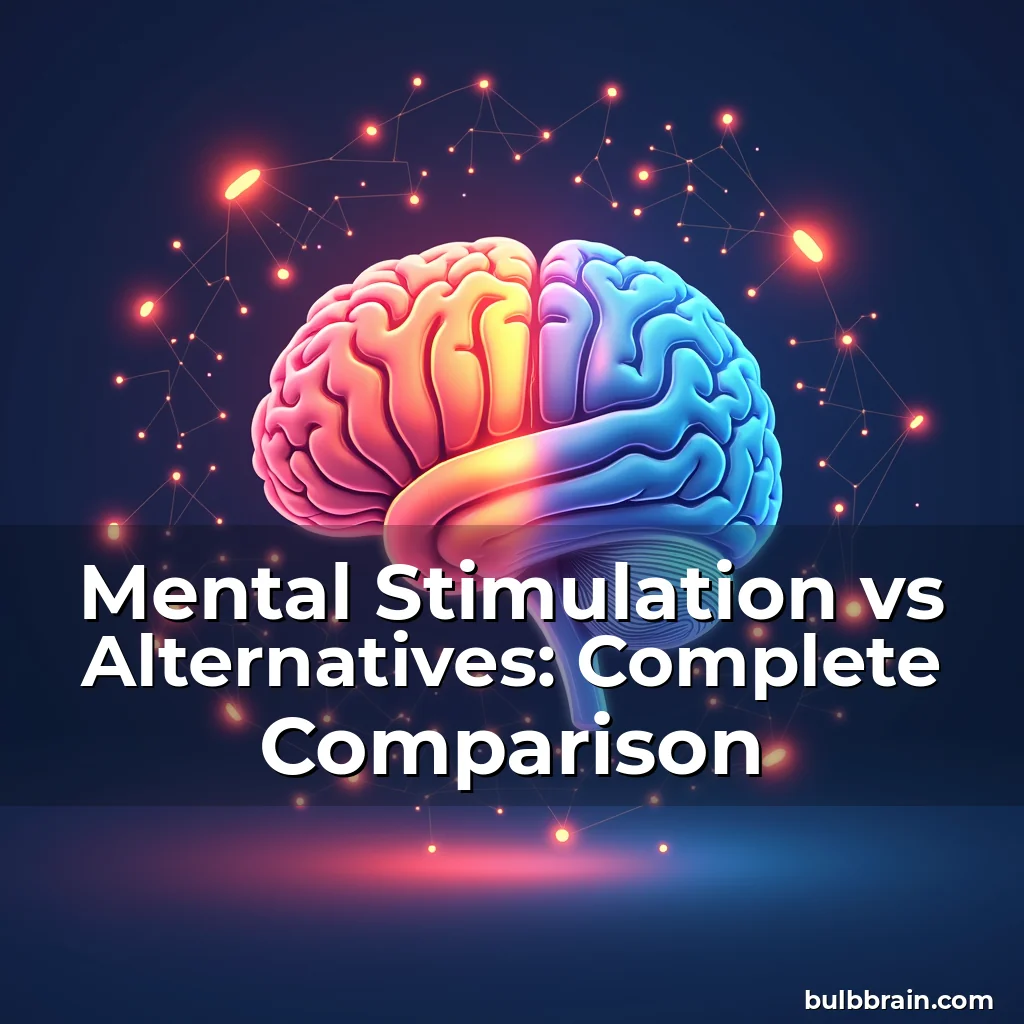
The Science Behind Mental Stimulation
Mental stimulation refers to activities designed to engage the brain actively, promoting neural plasticity—the ability of the brain to form new connections. These activities range from puzzles and reading to learning new languages or skills.
Research shows that consistent engagement enhances memory retention, problem-solving abilities, and emotional regulation. A study published in the *Journal of Neuroscience* found that mentally stimulating tasks increase dendritic branching, improving communication between neurons.
- Cognitive reserve: Regular mental challenges build a buffer against cognitive decline, reducing risks of conditions like Alzheimer’s disease.
- Synaptic efficiency: Activities requiring focused attention strengthen synapses, making information processing faster over time.
The brain thrives on novelty and complexity. Simple repetition offers minimal benefit compared to varied, challenging tasks that push cognitive boundaries.
However, mental stimulation alone isn’t enough. Combining it with other disciplines often yields superior outcomes, highlighting the importance of balance in cognitive development.
Mental Stimulation vs. Physical Exercise
Physical activity is frequently touted as a cornerstone of brain health. Cardiovascular exercises like running or swimming boost blood flow to the brain, promoting neurogenesis—the creation of new neurons.
A Harvard University study revealed that aerobic exercise increases hippocampal volume, directly impacting memory and spatial navigation. Unlike mental stimulation, which primarily affects cognitive functions, physical exercise benefits both structural and functional aspects of the brain.
Yet, combining the two produces synergistic effects. For instance, a 2018 meta-analysis showed that individuals who engaged in both regular workouts and cognitive training demonstrated improved executive functioning and creativity.
Mind-body practices like yoga further integrate these benefits, blending physical movement with mindfulness techniques that enhance focus and reduce stress.
While physical exercise lays the groundwork for brain resilience, mental stimulation sharpens specific cognitive faculties, creating a complementary relationship rather than competition.
Digital Tools and Cognitive Enhancement
The rise of technology has introduced apps, games, and AI-driven platforms claiming to elevate cognition through gamified experiences. Programs like Lumosity and CogniFit use adaptive algorithms to tailor challenges to individual skill levels.
These tools often emphasize speed, accuracy, and pattern recognition, mimicking scenarios encountered in real-life decision-making. Studies suggest that some users report measurable improvements in working memory and reaction times after sustained usage.
Evidence-Based Benefits of Digital Training
A randomized controlled trial by the University of California found that participants who used cognitive-training apps for six months scored significantly higher on standardized tests measuring attention span and multitasking capabilities.
However, critics argue that the effectiveness of these tools depends heavily on user engagement. Passive consumption of digital media, such as scrolling social feeds, fails to provide the same cognitive dividends.
Beyond structured programs, interactive games like chess or strategy-based video games also stimulate critical thinking and strategic planning. These non-traditional formats appeal to younger audiences seeking entertainment intertwined with education.
The challenge lies in discerning quality from gimmickry. Not all digital interventions are backed by robust scientific research, necessitating cautious selection of reliable platforms.
Meditation and Mindfulness: Quiet Alternatives
For centuries, meditation has been practiced globally to sharpen the mind and cultivate inner peace. Modern neuroscience confirms its efficacy in enhancing concentration, empathy, and self-awareness.
Studies indicate that long-term meditators exhibit increased gray matter density in regions associated with learning, memory, and emotional regulation. Techniques like mindfulness involve observing thoughts without judgment, fostering metacognition—the awareness of one’s own thinking processes.
- Attention control: Meditation trains the prefrontal cortex to sustain focus, counteracting distractions in today’s hyperconnected world.
- Stress reduction: Lower cortisol levels resulting from regular practice correlate with improved sleep patterns and heightened clarity during stressful situations.
Unlike passive relaxation, active forms of meditation such as Vipassana or Transcendental Meditation create measurable changes in brainwave activity, promoting deeper states of consciousness.
Taking just ten minutes daily to engage in mindful breathing can yield profound cognitive enhancements, making it accessible for busy professionals aiming to maximize productivity.
Nutrition and Cognitive Health
What you eat profoundly influences how your brain performs. Nutrients like omega-3 fatty acids, antioxidants, and B-vitamins play pivotal roles in synaptic transmission and myelin sheath formation.
Foods rich in flavonoids—found in blueberries, dark chocolate, and leafy greens—enhance neuronal communication, supporting clearer thought processes. Conversely, diets high in processed sugars impair glucose metabolism, leading to chronic fatigue and reduced motivation.
The Mediterranean diet, celebrated for its heart-health benefits, also aligns with optimal cognitive maintenance. Its emphasis on whole grains, lean proteins, and healthy fats correlates with lower rates of dementia among aging populations.
Hydration remains another overlooked factor. Dehydration can cause headaches, dizziness, and impaired judgment, underscoring the necessity of consuming adequate fluids throughout the day.
Supplementing with targeted nutrients may prove beneficial when dietary intake falls short, though consulting healthcare providers ensures safe integration into personal wellness routines.
Sleep and Memory Consolidation
Quality sleep acts as a nightly housekeeping service for the brain, clearing metabolic waste products accumulated during waking hours. Deep sleep stages particularly facilitate memory consolidation, transferring information from short-term storage to permanent retention areas.
Lack of sufficient rest disrupts this process, explaining why tired individuals struggle to recall recently acquired knowledge. Adults generally require seven to nine hours per night, although individual variances exist based on genetic predispositions.
Interestingly, napping strategically can aid cognitive recovery. Short daytime rests (around twenty minutes) prevent entering deep sleep cycles, offering rejuvenating benefits without disrupting nighttime slumber.
Establishing consistent sleep schedules strengthens circadian rhythms, optimizing alertness peaks aligned with natural body clocks. Avoiding screens prior to bedtime reduces melatonin suppression, aiding quicker onset of sleep.
Sleep disorders such as insomnia or sleep apnea warrant medical evaluation, as unresolved issues drastically impact mental acuity and mood stability.
Social Engagement and Intellectual Growth
Human connection serves as one of nature’s most potent stimulants for intellectual growth. Engaging in meaningful conversations activates diverse parts of the brain involved in language comprehension and perspective-taking.
Social networks contribute to enhanced creativity, problem-solving abilities, and emotional intelligence. Group settings foster collaborative brainstorming sessions where collective wisdom surpasses individual efforts.
Regular participation in group activities—whether book clubs, workshops, or team sports—encourages continuous learning and adaptation. Interactions with people outside one’s comfort zone introduce fresh viewpoints expanding cognitive horizons.
Virtual communities now bridge geographical limitations, allowing global exchange of ideas without travel constraints. Yet face-to-face interactions still hold irreplaceable advantages in conveying nuanced emotions and building trust relationships.
Isolation poses significant risks beyond loneliness, correlating strongly with accelerated cognitive deterioration. Prioritizing genuine interpersonal bonds becomes vital for sustaining lifelong mental agility.
Balancing Different Approaches for Optimal Results
No single method offers universal solutions for everyone. Personal preferences, lifestyles, and biological factors dictate which strategies resonate best individually. Some thrive through solitary reading sessions, while others excel via group discussions or immersive fitness regimens.
An integrative approach often yields superior outcomes. Incorporating varied stimuli across different domains prevents monotony-induced plateaus commonly observed with singularly focused routines.
Tracking progress objectively enables fine-tuning interventions according to evolving needs. Journal entries documenting weekly accomplishments or setbacks serve as useful feedback mechanisms guiding future decisions.
Routine evaluations ensure continued alignment between chosen methods and desired goals, adjusting tactics as required amidst life transitions or changing circumstances.
Ultimately, cultivating curiosity fuels ongoing exploration of novel techniques contributing to sustained cerebral vitality throughout all phases of human existence.
Conclusion
This examination underscores that mental stimulation is but one component of a multifaceted framework supporting peak cognitive performance. While invaluable, pairing it with physical exertion, nutritional care, restful sleep, social interaction, and deliberate mindfulness creates holistic enrichment unlikely achievable through isolated pursuits.
To harness full potential, adopt hybrid strategies encompassing favored techniques alongside supplementary ones addressing blind spots identified through reflection. Consistency over intensity proves crucial in nurturing enduring cerebral excellence.

news is a contributor at BulbBrain. We are committed to providing well-researched, accurate, and valuable content to our readers.
You May Also Like

About news
Passionate about learning, cognitive science, and helping people unlock their full potential.