
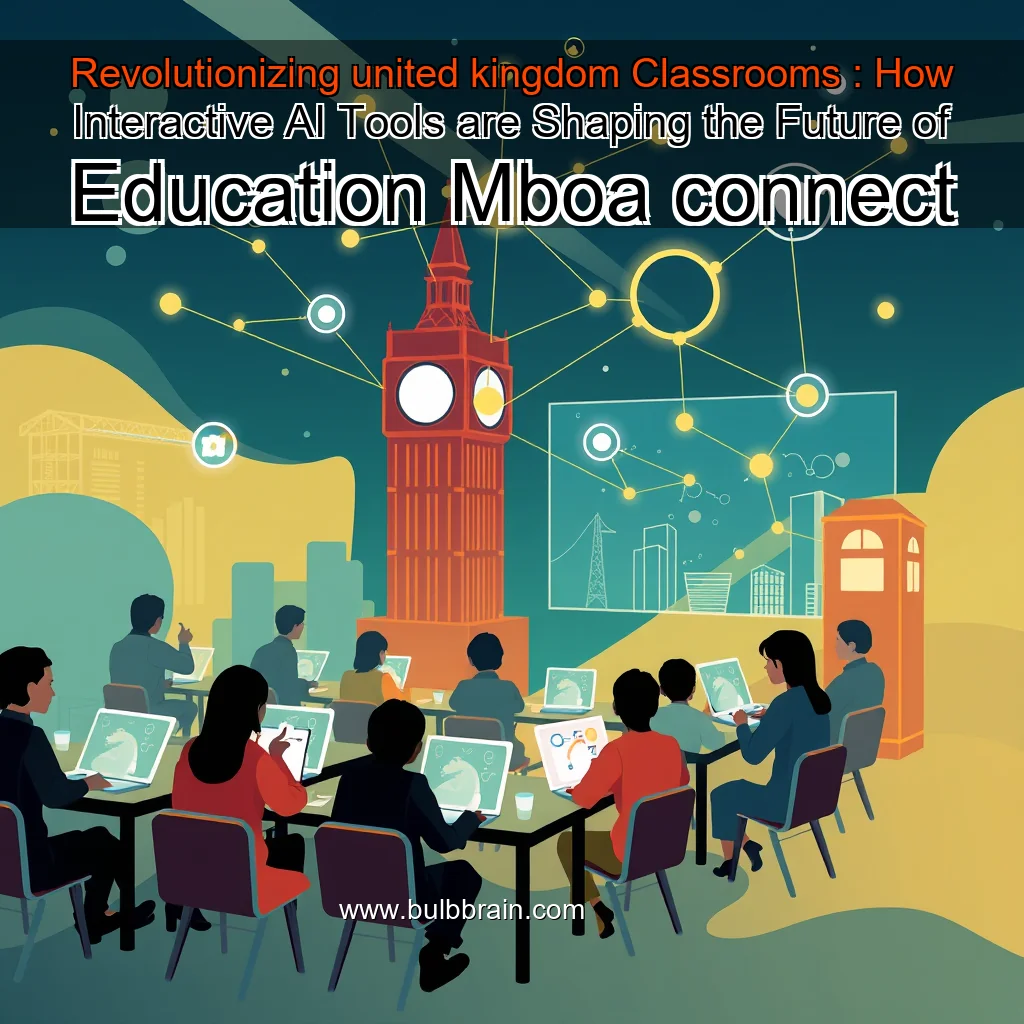
Here are some key features of these AI-powered tools:
Key Features of Interactive AI Tools
Enhancing Teaching and Learning with AI, Virtual Assistants, and Immersive Technologies.
Virtual reality (VR) and augmented reality (AR) are also being used to create immersive learning experiences.
AI Adoption in Education: Enhancing Teaching and Learning
The Rise of AI in Education
The integration of Artificial Intelligence (AI) in educational settings has been on the rise in recent years. This trend is expected to continue, with AI technologies being increasingly adopted by schools worldwide. The benefits of AI in education are multifaceted, and its applications are diverse.
Key Benefits of AI in Education
Virtual Assistants in Education
Virtual assistants are becoming increasingly popular in educational settings. These tools can help automate administrative tasks, such as:
Virtual Reality and Augmented Reality in Education
Virtual reality (VR) and augmented reality (AR) are being used to create immersive learning experiences.
Here are some examples of how AI is being used in UK schools to enhance teaching and learning.
AI-Powered Adaptive Learning Systems
In the UK, AI-powered adaptive learning systems are being used to personalize learning experiences for students. These systems use machine learning algorithms to analyze student performance data and adjust the difficulty level of course materials accordingly. This approach helps students to learn at their own pace, filling knowledge gaps and preventing frustration. Key features of AI-powered adaptive learning systems: + Real-time assessment and feedback + Personalized learning pathways + Adaptive difficulty adjustment + Data-driven insights for teachers
AI-Driven Virtual Learning Environments
AI-driven virtual learning environments are being used to create immersive and interactive learning experiences for students. These environments use natural language processing and computer vision to simulate real-world scenarios, making learning more engaging and effective. Key features of AI-driven virtual learning environments: + Immersive simulations + Interactive storytelling + Real-time feedback and assessment + Personalized learning experiences
AI-Assisted Teacher Support
AI-assisted teacher support is being used to provide teachers with valuable insights and resources to improve their teaching practices.
The Rise of AI-Driven Learning Environments
The integration of AI in educational settings has led to the creation of immersive and interactive learning environments. These environments are designed to cater to individual students’ needs, interests, and learning styles. By leveraging AI-powered tools, educators can create personalized learning pathways that adapt to each student’s pace and abilities. Key features of AI-driven learning environments include: + Adaptive assessments that adjust to individual students’ performance + Real-time feedback and analysis of student progress + Personalized learning recommendations based on AI-driven insights + Interactive simulations and gamification elements to enhance engagement
The Benefits of AI-Driven Learning Environments
The benefits of AI-driven learning environments are multifaceted and far-reaching. Some of the key advantages include:
The Role of AI in Teacher Training and Support
As AI-driven learning environments become more prevalent, it is essential to provide teachers with the necessary training and support to effectively integrate AI-powered tools into their teaching practices.
AI tools can also help identify and address learning gaps, providing personalized support to students.
The Rise of Interactive AI Tools in Education
The integration of Artificial Intelligence (AI) in education has revolutionized the way students learn and teachers teach. Interactive AI tools have become an essential component of modern educational systems, offering numerous benefits that enhance the learning experience.
Personalized Learning
One of the primary advantages of interactive AI tools is their ability to adapt content to fit the learning pace and style of each student. This personalized approach ensures that students receive instruction tailored to their individual needs, abilities, and learning styles. By leveraging AI-driven analytics, teachers can identify areas where students require extra support or enrichment, allowing them to provide targeted interventions. Key features of personalized learning: + Adaptive content that adjusts to individual student needs + Real-time analytics to track student progress + Personalized feedback and support
Teacher Empowerment
Interactive AI tools also empower teachers to focus on high-impact teaching. By automating routine tasks and providing real-time insights, AI systems free teachers from administrative burdens, allowing them to concentrate on what matters most – delivering effective instruction and building meaningful relationships with students.
As educators strive to harness the potential of AI, they must address these challenges and ensure that the technology is used responsibly.
The Benefits of AI in Education
Enhancing Student Engagement
Fostering Critical Thinking and Creativity
Improving Teacher Support
The Concerns Surrounding AI in Education
The integration of Artificial Intelligence (AI) in education has sparked both excitement and concern among educators, policymakers, and parents. While AI has the potential to revolutionize the way we learn, it also raises several concerns that need to be addressed. In this article, we will delve into the concerns surrounding AI in education, exploring the potential risks and challenges that schools and educators face.
Financial Constraints
One of the primary concerns surrounding AI in education is the financial burden it can impose on schools.
Here are some key points to consider:
AI-Driven Adaptive Learning Systems
AI-driven adaptive learning systems are designed to adjust the difficulty level of course materials based on individual students’ performance. These systems use machine learning algorithms to analyze student data and provide personalized learning experiences. Some benefits of AI-driven adaptive learning systems include:
AI-Powered Virtual Learning Environments
AI-powered virtual learning environments are designed to simulate real-world scenarios, allowing students to practice and apply their knowledge in a safe and controlled environment. Some benefits of AI-powered virtual learning environments include:
The Rise of AI in Education
The integration of Artificial Intelligence (AI) in education has been gaining momentum in recent years, with the aim of addressing the existing and forthcoming educational challenges. The use of AI in education is not a new concept, but its widespread adoption is a relatively recent development. In the past, AI was primarily used in educational settings for tasks such as grading and automating administrative tasks.
Here are some key takeaways from educators and experts on the integration of AI in education:
The Benefits of AI in Education
The Role of AI in Personalized Learning
The Future of AI in Education
The Challenges of Implementing AI in Education
Overcoming Technical Challenges
Conclusion
The integration of AI in education has the potential to revolutionize the way we teach and learn. By understanding the benefits and challenges of AI in education, educators can develop effective strategies for integrating technology into their teaching practices.
The Importance of Robust Frameworks for AI Integration
The integration of Artificial Intelligence (AI) into educational institutions is a rapidly evolving field that requires careful consideration and planning. As AI technologies continue to advance, it is essential to establish robust frameworks that support the effective implementation and management of AI in education.
Key Challenges in AI Integration
Several challenges arise when integrating AI into educational institutions.

news is a contributor at BulbBrain. We are committed to providing well-researched, accurate, and valuable content to our readers.
You May Also Like



About news
Passionate about learning, cognitive science, and helping people unlock their full potential.