
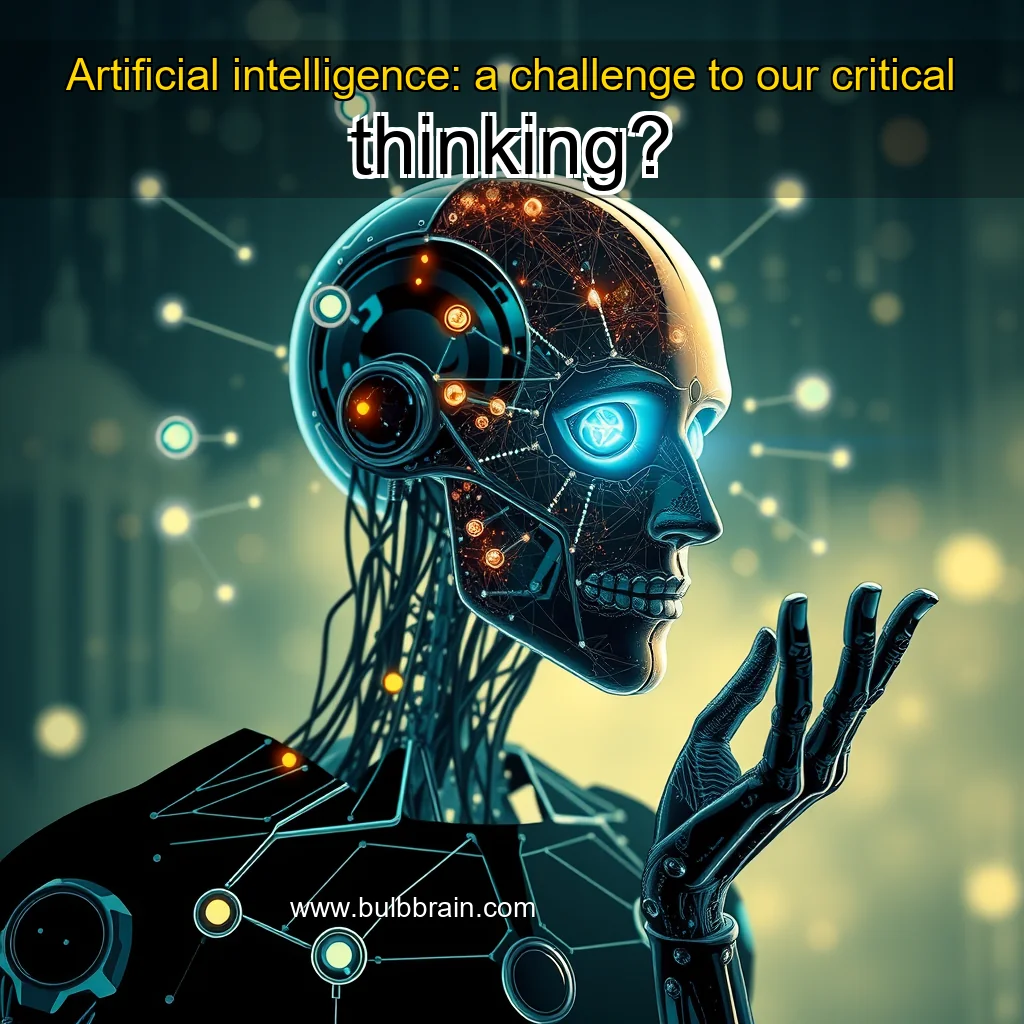
AI has revolutionized the way we work and live, making many tasks easier and more efficient.
The Rise of AI: A Game-Changer in Our Daily Lives
The advent of Artificial Intelligence (AI) has brought about a significant shift in the way we approach various tasks and activities. Gone are the days of tedious and time-consuming processes; AI has streamlined many tasks, freeing up our time and mental energy for more creative and strategic pursuits.
The Impact on Work and Productivity
AI has had a profound impact on the world of work and productivity. With AI-powered tools, tasks that once required significant mental effort are now automated, freeing up professionals to focus on higher-level tasks that require creativity, problem-solving, and critical thinking. Examples of AI-powered tools include: + AI-powered project management tools that help with task assignment, scheduling, and tracking + AI-powered writing tools that assist with research, organization, and content creation + AI-powered design tools that enable the creation of complex graphics and visualizations
+ Increased productivity and efficiency + Improved accuracy and reduced errors + Enhanced creativity and innovation
The Rise of AI-Powered Assistants
AI-powered assistants have become an integral part of our daily lives.
The Dark Side of AI-Generated Content
In the age of AI, we’re constantly bombarded with information from machines. From news articles to social media posts, AI-generated content has become increasingly prevalent. While AI can be a powerful tool for generating content, it also poses significant risks to our cognitive abilities and the quality of information we consume.
The Loss of Critical Thinking
When we rely on AI-generated content, we’re not engaging our critical thinking skills as much as we should be. Critical thinking is the process of analyzing information, identifying patterns, and making informed decisions. By delegating these tasks to machines, we’re essentially outsourcing our cognitive abilities. We’re not developing our ability to evaluate information, identify biases, and make nuanced judgments. We’re not cultivating our capacity for creative problem-solving and critical thinking.
Revolutionizing the Classroom with AI-Powered Learning Tools.
AI can help teachers create customized learning materials, automate grading, and even assist in the development of personalized learning plans.
AI in Education: Revolutionizing the Classroom
The Rise of AI-Powered Learning Tools
The educational landscape is undergoing a significant transformation, driven in large part by the emergence of AI-powered learning tools. These innovative technologies are designed to make learning more accessible, efficient, and effective. By leveraging the power of artificial intelligence, educators can create customized learning materials, automate grading, and develop personalized learning plans that cater to the unique needs of each student.
The Importance of Human Interaction in the Age of AI
In today’s digital landscape, artificial intelligence (AI) has become an integral part of our daily lives. From virtual assistants to language translation tools, AI has revolutionized the way we communicate and interact with technology. However, as AI continues to advance, there is a growing concern that humans are becoming increasingly reliant on machines, potentially leading to a decline in face-to-face interaction and deepened social isolation.
The Risks of Superficial Engagement
When AI is used to facilitate communication, it can lead to a shallow and superficial engagement. This can be attributed to the fact that AI systems lack the emotional intelligence and empathy that humans take for granted. As a result, interactions with AI may feel impersonal, lacking the depth and nuance that human-to-human communication provides. Examples of superficial engagement include:
- Using chatbots to respond to customer inquiries, rather than engaging with a human customer service representative. Relying on AI-powered language translation tools to communicate with people who speak different languages, rather than making an effort to learn and understand their culture.
The Importance of Human Oversight in AI Development
In the rapidly evolving field of artificial intelligence (AI), the line between progress and potential pitfalls is increasingly blurred. As AI systems become more sophisticated, they are capable of simulating certain aspects of human thought, such as pattern recognition, decision-making, and even creativity.
Critical thinking is the digital age’s best defense against misinformation and manipulation.
The Importance of Critical Thinking in the Digital Age
In today’s fast-paced digital world, critical thinking is more crucial than ever. The proliferation of social media, fake news, and propaganda has created a landscape where misinformation can spread rapidly.
The Importance of Human Interaction in the Digital Age
In today’s digital landscape, the line between human interaction and AI-generated content is becoming increasingly blurred. While AI has revolutionized the way we consume information, it’s essential to recognize the limitations of relying solely on machine-generated content. The consequences of this over-reliance can be far-reaching, from the spread of misinformation to the erosion of critical thinking skills.
You Might Also Enjoy: Revolutionizing united kingdom Classrooms : How Interactive AI Tools are Shaping the Future of Education Mboa connectThe Risks of Over-Reliance on AI-Generated Content
- Spread of Misinformation: AI-generated content can be designed to be persuasive and engaging, but it often lacks the nuance and context that human writers bring to the table. This can lead to the spread of misinformation, which can have serious consequences in fields like medicine, finance, and politics. Erosion of Critical Thinking Skills: When we rely too heavily on AI-generated content, we can become less critical of the information we consume. This can lead to a lack of discernment and a failure to question the sources and motivations behind the content. Loss of Human Touch: AI-generated content often lacks the human touch that makes information more relatable and engaging. This can lead to a sense of detachment and disconnection from the material. ## Fostering Environments that Encourage Deep Engagement**
- Promoting Critical Thinking: Encouraging critical thinking skills can help individuals to evaluate the credibility and reliability of the information they consume.
The Rise of AI and the Need for Self-Awareness
The rapid advancement of Artificial Intelligence (AI) has brought about numerous benefits, including increased efficiency, improved accuracy, and enhanced decision-making capabilities. However, as AI becomes increasingly integrated into our daily lives, it is essential to acknowledge the need for self-awareness in our interactions with these tools.
Understanding AI Limitations
- AI systems are not human and lack common sense, empathy, and emotional intelligence. They can perpetuate biases and stereotypes present in the data used to train them. AI can be vulnerable to cyber attacks and data breaches. They require regular maintenance and updates to ensure optimal performance. Recognizing these limitations is crucial to harnessing the full potential of AI while minimizing its risks. By acknowledging the potential pitfalls, we can take steps to mitigate them and ensure that AI is used responsibly. ### The Importance of Ethical Considerations
- Job displacement: AI has the potential to automate jobs, leading to significant job displacement and economic disruption. Bias and discrimination: AI systems can perpetuate biases and stereotypes, leading to unfair treatment of certain groups.
The consequences of this erosion can be far-reaching, affecting not only individuals but also society as a whole. In this article, we will delve into the causes and effects of the erosion of critical thinking, and explore ways to promote its development.
The Causes of Erosion of Critical Thinking
Critical thinking is a vital skill that enables individuals to analyze information, evaluate evidence, and make informed decisions. However, the erosion of critical thinking is a pressing issue that has been exacerbated by various factors. Some of the primary causes of this erosion include:
- The influence of social media: Social media platforms have become an integral part of our daily lives, and they can have a profound impact on our critical thinking skills. The constant stream of information, the echo chambers, and the algorithms designed to keep us engaged can all contribute to the erosion of critical thinking. The proliferation of misinformation: The internet has made it easier than ever to access information, but it has also made it easier to spread misinformation. The lack of fact-checking and the ease of sharing information can all contribute to the erosion of critical thinking. The emphasis on standardized testing: The emphasis on standardized testing has led to a focus on rote memorization and regurgitation of information, rather than critical thinking and analysis. This can result in students being taught to memorize facts rather than think critically about them. ## The Effects of Erosion of Critical Thinking*
The Effects of Erosion of Critical Thinking
The erosion of critical thinking has far-reaching consequences that can affect individuals, communities, and society as a whole. Some of the effects of this erosion include:
- The spread of misinformation: When critical thinking is eroded, it can lead to the spread of misinformation and the manipulation of public opinion.
news is a contributor at BulbBrain. We are committed to providing well-researched, accurate, and valuable content to our readers.
You May Also Like
Fostering Environments that Encourage Deep Engagement
To mitigate the risks posed by our over-reliance on AI-generated content, it’s essential to foster environments that encourage deep engagement with information. This can be achieved through a variety of strategies, including:
The Importance of Ethical Considerations
The deployment of AI raises significant ethical concerns, including:



About news
Passionate about learning, cognitive science, and helping people unlock their full potential.