
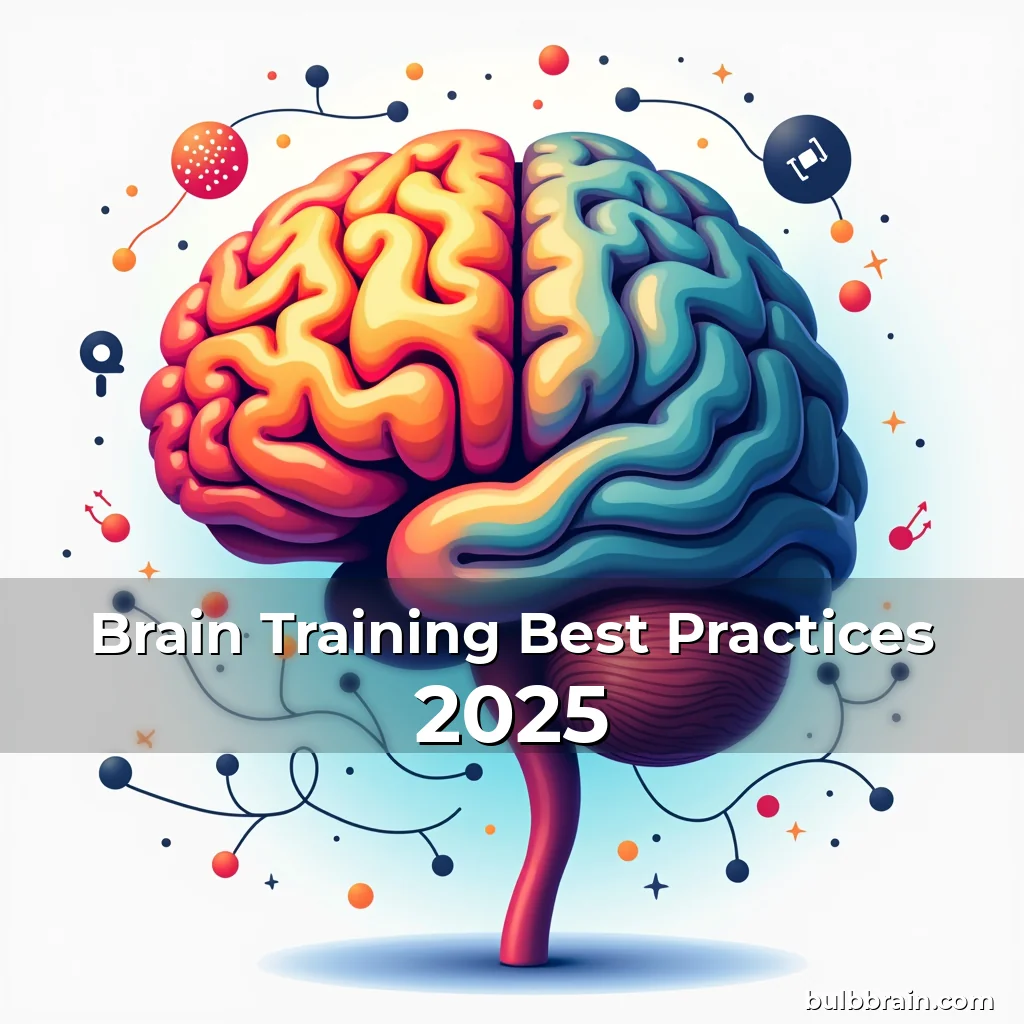
The Future of Cognitive Fitness: Brain Training Strategies for 2025
In an era where mental agility is as crucial as physical fitness, brain training has evolved beyond simple puzzles and memory games. The year 2025 marks a transformative period in cognitive enhancement techniques, blending neuroscience advancements with cutting-edge technology.
This guide explores innovative approaches that empower individuals to sharpen their minds through science-backed methods tailored to modern lifestyles. From digital platforms to lifestyle integration strategies, we uncover how to optimize cognitive performance effectively.
The Science Behind Effective Brain Training
Cognitive scientists have long understood that the human brain possesses remarkable neuroplasticity—the ability to reorganize itself by forming new neural connections throughout life. This biological flexibility forms the foundation of effective brain training programs.
Recent studies show that targeted exercises can increase gray matter density in regions associated with attention and executive function. These findings validate why structured mental workouts yield measurable results when practiced consistently.
Neurotransmitter balance plays a critical role in maintaining optimal brain function during training sessions. Proper nutrition, sleep patterns, and stress management become essential components of any serious brain development regimen.
Experts recommend starting with low-intensity tasks before progressing to complex challenges. Gradual difficulty progression ensures sustainable engagement without overwhelming the learner’s capacity for retention.
- Focus areas: Memory consolidation, problem-solving speed, emotional regulation, language fluency
- Optimal frequency: Short daily sessions (15-30 minutes) outperform sporadic intensive workouts
- Symptoms of overtraining: Increased frustration, decreased motivation, impaired concentration
Top Digital Tools Revolutionizing Mental Exercise
Technology continues to reshape how people approach brain health. In 2025, immersive virtual reality environments offer unprecedented opportunities for cognitive stimulation through interactive scenarios.
Dedicated mobile applications now feature adaptive algorithms that personalize workout plans based on user progress and learning style preferences. These smart systems adjust challenge levels dynamically to maintain optimal engagement.
Artificial intelligence-powered tutors provide real-time feedback and suggest customized improvement paths. This level of personalization was unimaginable even five years ago.
Cloud-based platforms enable seamless synchronization across devices, allowing users to continue their mental exercise routines anywhere at any time.
Some leading apps incorporate biofeedback mechanisms using wearable sensors to monitor physiological responses during training sessions.
Emerging Technologies Shaping the Field
Transcranial direct current stimulation (tDCS) devices are gaining traction among professionals seeking enhanced cognitive performance. While still emerging, these tools show promise in improving focus and information processing speeds.
Augmented reality interfaces create hybrid learning experiences that combine real-world interactions with digital enhancements. This dual-modality approach enhances knowledge retention significantly.
Blockchain technologies are being explored for secure storage of cognitive achievement records, ensuring verifiable progress tracking for both casual users and professional athletes alike.
Lifestyle Integration Techniques for Sustainable Growth
Mental fitness cannot exist in isolation from overall well-being. Successful brain training requires harmonious integration with other healthy habits that support neurological development.
A balanced diet rich in omega-3 fatty acids, antioxidants, and B vitamins provides the necessary fuel for sustained cognitive activity. Specific foods like blueberries and dark chocolate contain compounds linked to improved memory function.
Regular aerobic exercise boosts blood flow to the brain, enhancing its ability to form new synaptic connections. Even moderate activities like brisk walking demonstrate measurable benefits over time.
Quality sleep remains non-negotiable for consolidating learned material. During REM cycles, the brain organizes memories and strengthens neural pathways established during waking hours.
Stress reduction practices such as mindfulness meditation lower cortisol levels, creating an ideal environment for efficient learning processes to occur naturally.
Customized Approaches Based on Individual Needs
No single method works universally for everyone. Personal differences in learning styles, existing cognitive strengths, and life circumstances necessitate individualized brain training programs.
People with ADHD may benefit most from gamified learning experiences that reward consistent effort with tangible achievements. Customizable difficulty settings help maintain engagement while building foundational skills.
Elderly adults looking to preserve cognitive functions often find success with spaced repetition techniques combined with social interaction elements. Group classes foster motivation through shared progress tracking.
Students preparing for exams achieve better results when integrating active recall strategies with conceptual understanding frameworks. Balancing rote memorization with meaningful comprehension yields superior outcomes.
Professionals requiring continuous skill development thrive with microlearning modules that deliver focused bursts of information aligned with career objectives.
Measuring Progress Through Scientific Evaluation
Tracking improvements objectively helps maintain motivation and identify areas needing adjustment. Modern assessment tools go far beyond traditional IQ tests in evaluating cognitive growth.
FMRIs and EEG scans provide visual representations of changing brain activity patterns as training progresses. These imaging techniques reveal structural changes occurring within neural networks.
Battery of standardized cognitive assessments measures various domains including working memory, reaction times, pattern recognition abilities, and logical deduction skills.
Data analytics platforms compile longitudinal trends showing how different training regimens affect specific cognitive faculties over extended periods.
User-friendly dashboards display progress metrics in easily understandable formats, helping learners stay motivated through clear visibility of their accomplishments.
Common Pitfalls to Avoid in Your Journey
Newcomers often fall into the trap of expecting rapid transformation rather than embracing gradual development. Realistic expectations prevent premature abandonment of promising training methods.
Overloading schedules with too many simultaneous brain exercises leads to burnout symptoms resembling those seen in physical overtraining syndromes. Strategic pacing maintains long-term commitment.
Ignoring rest days disrupts natural recovery processes vital for consolidating newly acquired skills. Active rest through leisure reading or creative pursuits complements formal training sessions.
Relying solely on passive consumption modes instead of active participation limits effectiveness. Engagement through hands-on application reinforces learning retention rates significantly.
Failing to adapt training methods as needs evolve creates stagnation plateaus. Regular reassessment keeps programs relevant to current developmental goals.
Building a Supportive Environment for Success
Social accountability mechanisms enhance adherence to brain training routines. Sharing progress with peers fosters mutual encouragement and friendly competition.
Joining online communities dedicated to cognitive development offers access to expert advice and peer support networks. Forums facilitate discussion about best practices and troubleshooting common issues.
Coaching services provide personalized guidance tailored to individual goals and learning paces. Professional mentors help navigate complex training methodologies efficiently.
Family involvement transforms brain training into a shared family activity, promoting intergenerational knowledge exchange and collective goal setting.
Corporate wellness programs increasingly include cognitive enhancement initiatives, recognizing the value of mentally agile employees in today’s fast-paced business world.
Conclusion
The landscape of brain training continues evolving rapidly as research unveils new possibilities for cognitive enhancement. By combining scientific principles with technological innovations, individuals can unlock tremendous potential within themselves.
To maximize benefits from your brain training journey, commit to regular practice, embrace diverse methods, and remain open to adapting your approach as needed. With dedication and strategic implementation, anyone can cultivate exceptional mental capabilities worthy of the 21st century.

news is a contributor at BulbBrain. We are committed to providing well-researched, accurate, and valuable content to our readers.
You May Also Like


About news
Passionate about learning, cognitive science, and helping people unlock their full potential.