
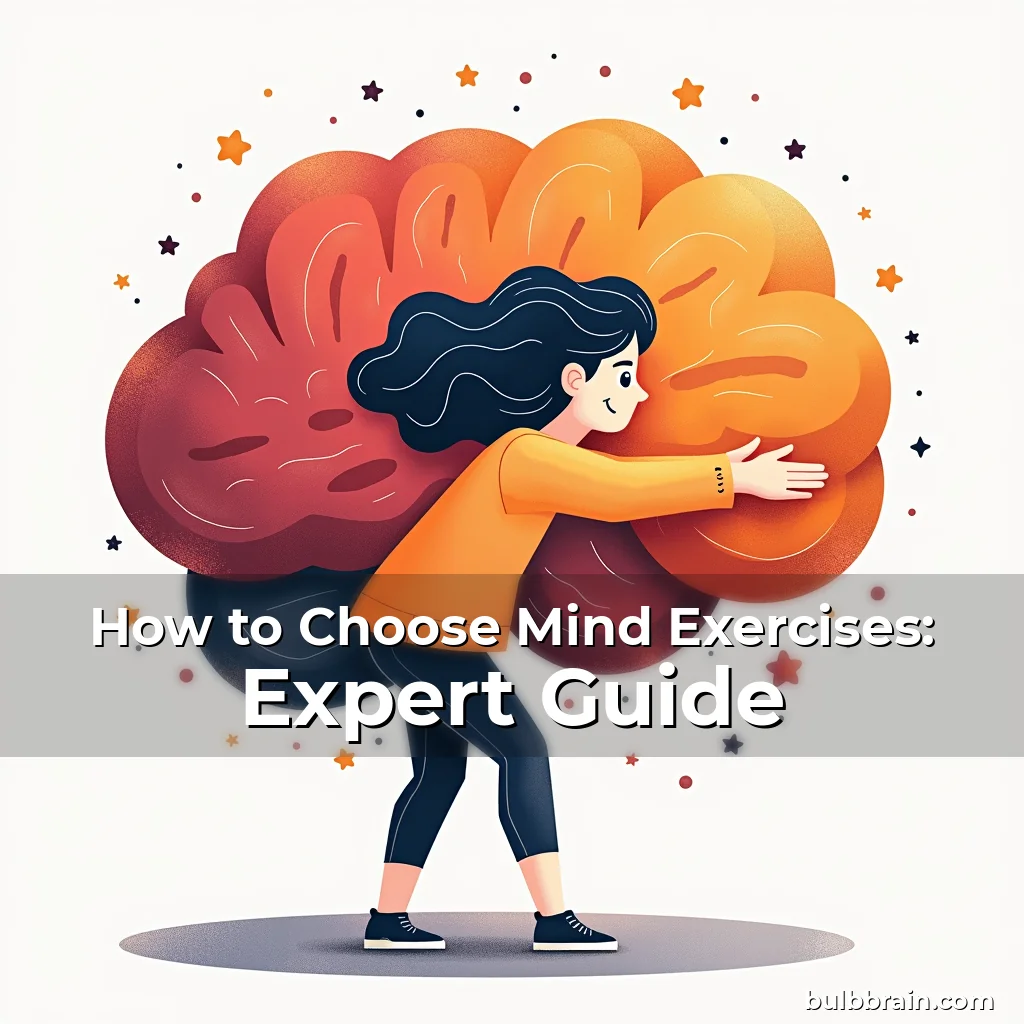
How to Choose Mind Exercises: Expert Guide
In today’s fast-paced world, mental agility isn’t just beneficial—it’s essential. Whether you’re preparing for a high-stakes career move, aiming to enhance creativity, or simply seeking better focus, mind exercises offer targeted ways to sharpen your cognitive abilities. Choosing the right ones can feel overwhelming.
The key lies in understanding your personal goals, learning styles, and lifestyle constraints. With so many options—from meditation practices to logic puzzles—this guide provides expert insights to help you navigate the landscape efficiently.
Understanding Your Cognitive Needs
Your brain functions uniquely, shaped by experiences, habits, and genetic predispositions. Before diving into exercises, reflect on areas needing improvement. Are you struggling with memory retention? Do distractions plague your concentration?
Awareness of your cognitive profile ensures you select activities aligned with real-world challenges. For instance, someone prone to anxiety may benefit more from mindfulness techniques than complex math drills. Tailoring your approach increases efficacy and motivation.
- Assess Priorities: Identify whether your primary goal is improving focus, enhancing problem-solving skills, boosting emotional resilience, or increasing mental flexibility.
- Evaluate Learning Preferences: Determine if visual aids, auditory cues, or hands-on tasks resonate most with how you learn best.
Selecting Effective Exercise Categories
Mind exercises span various categories, including cognitive training games, structured meditative routines, physical-mental integration methods, and creative stimulation activities. Each category targets distinct neural pathways.
Research shows combining different exercise types yields superior results compared to singular approaches. For example, pairing aerobic activity with strategic board games enhances executive function across age groups.
Cognitive Training Games
Games like Lumosity and CogniFit leverage neuroscience principles to strengthen working memory, processing speed, and attention control. Studies indicate regular users show measurable improvements in fluid intelligence after eight weeks of engagement.
However, some experts caution against over-reliance on digital platforms. While convenient, screen-based exercises may lack tactile elements crucial for holistic development. Balance is key in maximizing benefits.
Meditative Practices for Mental Clarity
Mindfulness meditation remains one of the most researched tools for cognitive enhancement. Regular practice reduces stress hormones while improving gray matter density in regions responsible for self-awareness and decision-making.
Variations exist: focused breathing, body scan techniques, loving-kindness meditation—all serve unique purposes. Novices often find guided sessions easier to integrate into busy schedules, offering structured support during early stages.
Physical-Mental Integration Techniques
Holistic health advocates emphasize the synergy between bodily movement and cerebral functioning. Yoga combines postural awareness with breath control, activating parasympathetic nervous system responses linked to improved cognition.
Kundalini yoga, particularly, incorporates chanting and dynamic sequences that stimulate multiple brainwave patterns simultaneously. This multidimensional approach addresses both physiological and psychological dimensions of mental fitness.
Creative Stimulation Activities
Engaging in artistic pursuits activates divergent thinking processes associated with innovation and problem-solving. Painting, music composition, or even writing poetry compel the brain to form novel connections between disparate ideas.
Studies reveal that individuals who regularly engage in creative hobbies demonstrate enhanced neuroplasticity—the brain’s ability to reorganize itself by forming new neural connections. This adaptability translates directly to faster learning curves in professional settings.
Scientific Backing Behind Popular Methods
Many widely adopted mind exercises originate from robust research foundations. Transcranial Direct Current Stimulation (tDCS), though controversial due to ethical concerns, demonstrates potential in temporarily enhancing cognitive performance through mild electrical currents.
Likewise, dual n-back tasks—a classic working memory challenge—have shown promise in clinical trials involving ADHD patients. However, long-term effects remain understudied, highlighting the importance of consulting professionals before adopting advanced methodologies.
Common Pitfalls to Avoid
Newcomers frequently fall into traps like inconsistent routine adherence or unrealistic expectations. Progress takes time; expecting immediate transformation can lead to discouragement and premature abandonment of effective strategies.
Overtraining another pitfall involves excessive intensity without adequate recovery periods. Just as muscles require rest days, neurons benefit from periodic breaks to consolidate newly formed memories and prevent burnout symptoms.
Bridging Gaps Between Theory and Practice
Translating knowledge into action necessitates personalized implementation plans. Begin with micro-exercises integrated seamlessly into existing routines—for example, practicing mindful eating during lunch breaks instead of dedicating hours daily to formal meditation.
Tracking progress through journals or apps helps maintain accountability. Many successful practitioners recommend setting SMART goals (Specific, Measurable, Achievable, Relevant, Time-bound) to stay motivated and evaluate effectiveness objectively.
Building Sustainable Habits
Sustainability hinges on creating enjoyable rituals rather than rigid obligations. Experiment with different times of day, locations, and formats until finding what feels natural and rewarding personally.
Community involvement also plays a role. Joining online forums or local meetups offers peer encouragement, shared resources, and opportunities to exchange insights about emerging trends in cognitive enhancement.
Emerging Trends in Neural Fitness
Advancements in technology continue reshaping how we approach mind exercises. Virtual reality environments now simulate immersive scenarios designed to train spatial navigation skills akin to those used by astronauts or surgeons requiring precise hand-eye coordination.
Meanwhile, biofeedback devices enable real-time monitoring of physiological indicators such as heart rate variability during mental workouts, allowing fine-tuning of techniques for optimal impact. These innovations democratize access to cutting-edge cognitive training previously reserved for elite athletes or military personnel.
Conclusion
This guide underscores the importance of intentionality when choosing mind exercises. By aligning choices with personal objectives, leveraging diverse methodologies, and staying attuned to evolving research, anyone can cultivate lasting mental acuity.
Begin small, remain curious about new possibilities, and remember that consistency matters more than perfection. Your journey toward sharper cognition starts with making deliberate, informed decisions about which exercises to pursue consistently.

news is a contributor at BulbBrain. We are committed to providing well-researched, accurate, and valuable content to our readers.
You May Also Like
About news
Passionate about learning, cognitive science, and helping people unlock their full potential.