
The Power of Creative Thinking in Everyday Life
Creative thinking is not limited to artists or inventors; it’s an essential skill that empowers individuals across all walks of life. By harnessing creativity, we can solve problems in innovative ways and approach challenges with fresh perspectives.
In today’s fast-paced world, creative thinking has become even more critical as we face increasingly complex issues. From personal growth to professional success, fostering creativity allows us to adapt quickly and thrive amidst uncertainty.
Understanding What Creative Thinking Really Means
Creative thinking involves generating novel ideas through original thought processes rather than conventional problem-solving methods. It requires looking beyond obvious solutions to discover unconventional approaches.
This form of thinking encourages divergent thinking—exploring many possible answers instead of settling for one correct solution. Divergence leads to richer discussions and broader understanding when tackling any challenge.
Differentiating between convergent and divergent thinking:
- Convergent thinking focuses on finding single best answer by narrowing down options systematically.
- Divergent thinking emphasizes exploring numerous possibilities without immediate judgment of their feasibility.
Fostering a Mindset That Encourages Creativity
Cultivating a mindset conducive to creative thinking begins with embracing curiosity and open-mindedness towards new experiences. This openness allows room for unexpected connections that spark innovation.
To nurture such a mindset, individuals must be willing to step out of comfort zones regularly. Engaging in activities outside typical routines helps stimulate neural pathways associated with creativity.
Practical strategies include:
- Maintaining a journal where thoughts, observations, and inspirations are recorded consistently.
- Scheduling time each day dedicated solely to brainstorming sessions free from distractions.
- Surrounding oneself with diverse stimuli through travel, reading, or participating in various hobbies.
Overcoming Barriers to Creative Thought
Creativity often faces resistance due to fear of failure or criticism. These emotional barriers need conscious effort to overcome so they don’t stifle potential breakthroughs.
An effective way to combat these fears is reframing failures as learning opportunities rather than setbacks. Every attempt contributes value toward eventual success regardless of outcome.
Tips for managing common obstacles:
- Practice self-compassion during moments of doubt or perceived inadequacy.
- Set realistic expectations regarding progress timelines since true mastery takes time.
- Seek feedback constructively while maintaining confidence in personal capabilities.
The Role of Environment in Enhancing Creativity
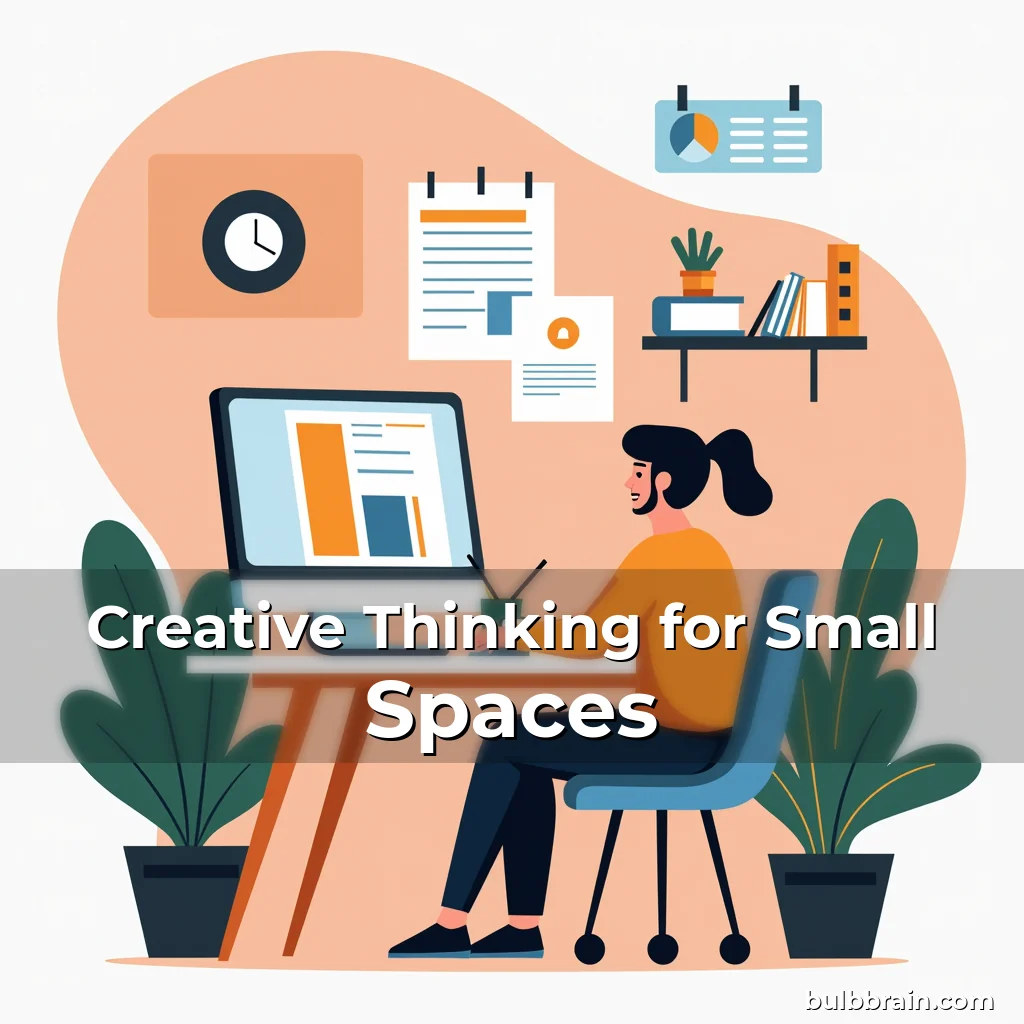
A supportive environment plays crucial role in developing one’s capacity for creative thinking. Physical spaces designed intentionally can significantly influence cognitive flexibility and imaginative output.
Creating inspiring surroundings involves incorporating elements known to promote mental agility such as natural light sources, vibrant colors, plants, and objects representing inspiration points.
Specific environmental factors contributing positively:
- Access to nature – studies show exposure improves concentration levels dramatically.
- Flexible workspaces allowing movement enhances brain function compared static settings.
- Minimal clutter reduces stress which impedes creative flow considerably.
Techniques to Boost Creative Thinking Skills Daily
Engaging daily practices specifically aimed at enhancing creative thinking can lead substantial improvements over time. Simple exercises integrated seamlessly into routine help maintain continuous development.
Some recommended techniques include:
- Free association games encouraging linking seemingly unrelated concepts together.
- Sketching random shapes then transforming them into meaningful images mentally.
- Listening actively to music genres unfamiliarity stimulating different parts of the brain responsible imagination.
These activities train minds flexibly switch modes between analytical logic versus intuitive insight required successful creative endeavors.
Case Studies Demonstrating Impact of Creative Problem Solving
Real-world examples illustrate how applying creative thinking resolves intricate dilemmas effectively within varied contexts. Examining case studies provides practical insights applicable broadly.
Notable instances include:
- Designers reimagining traditional furniture layouts using modular components increasing functionality space efficiency simultaneously.
- Businesses employing customer co-creation models resulting unprecedented product innovations meeting unmet needs precisely.
- Scientists devising alternative energy storage mechanisms addressing climate change challenges uniquely.
Each scenario underscores importance having adaptable mindset ready embrace unconventional methodologies whenever necessary.
Integrating Creative Thinking Into Professional Settings
Organizations seeking competitive advantage recognize necessity embedding creative thinking culture throughout operations. Cultivation such atmosphere drives continuous improvement initiatives naturally.
Leaders play pivotal roles modeling behaviors valuing experimentation tolerance ambiguity successfully navigating uncertain landscapes strategically.
Effective implementation tactics involve:
- Promoting cross-departmental collaboration facilitating knowledge sharing accelerating idea generation speed substantially.
- Implementing structured yet flexible frameworks supporting rapid prototyping validating hypotheses efficiently.
- Recognizing contributions openly boosting morale further energizing teams pursuing ambitious goals collectively.
By prioritizing creative environments workplaces foster resilience against disruptions emerge proactively proposing viable alternatives swiftly.
Celebrating Success Through Creative Achievement
Honoring achievements attained via creative efforts reinforces positive associations motivating continued pursuit excellence. Acknowledging milestones boosts confidence sustaining long-term commitment enhancement skills.
Ways to celebrate accomplishments meaningfully include:
- Sharing stories successes publicly inspiring others emulate similar journeys.
- Reflecting periodically on lessons learned refining future strategies accordingly.
- Investing earned rewards back community projects ensuring legacy extends beyond individual gains.
Such recognition validates hard work proves tangible results achievable dedication cultivating creative capacities thoroughly.
Conclusion
Creative thinking remains vital tool empowering individuals navigate complexities modern existence effortlessly. Its application spans across disciplines offering limitless possibilities reshaping perceptions realities continuously.
Embrace curiosity cultivate fearless exploration everyday situations consciously practicing techniques outlined earlier ultimately unlock full potential reside within everyone inherently.

news is a contributor at BulbBrain. We are committed to providing well-researched, accurate, and valuable content to our readers.
You May Also Like


About news
Passionate about learning, cognitive science, and helping people unlock their full potential.