
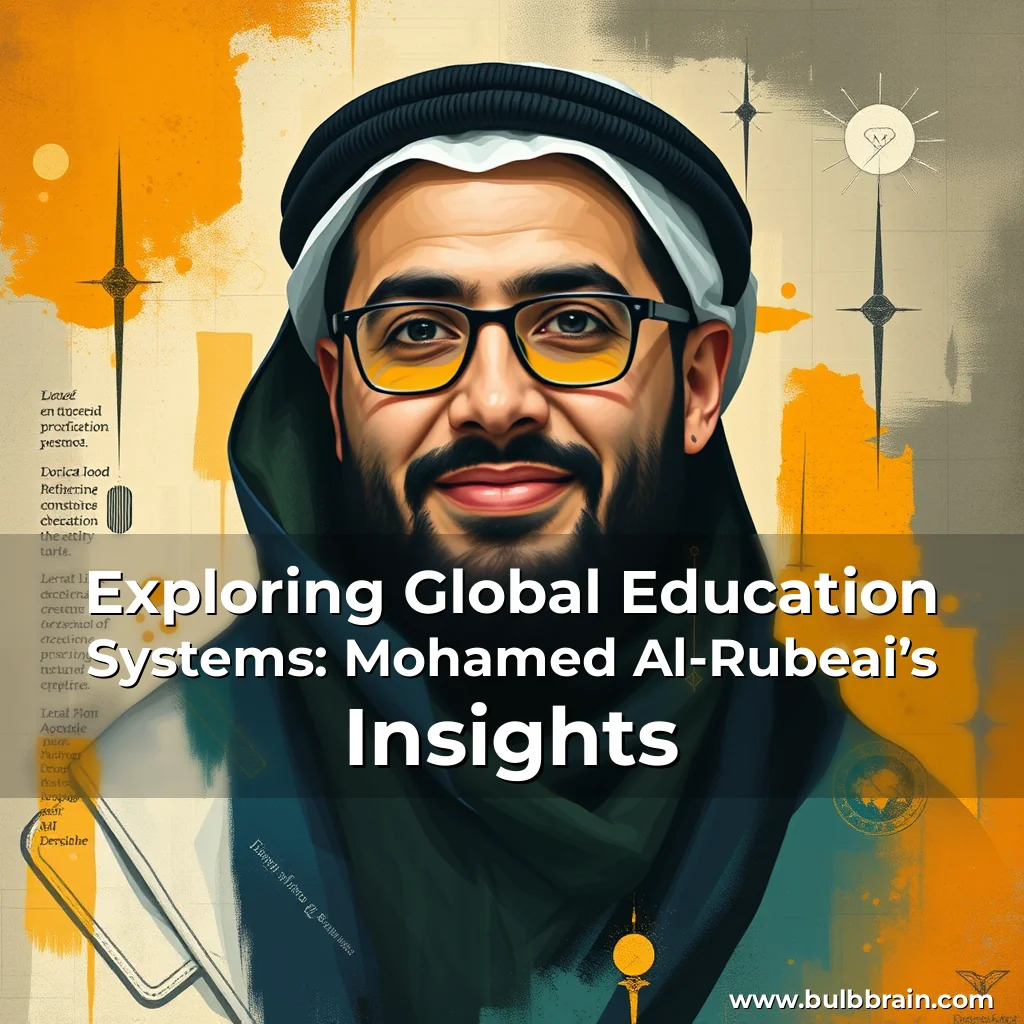
A Journey Through Diverse Educational Models
Mohamed Al-Rubeai, an emeritus professor at University College Dublin, has released a new book, “Secrets of Excellence: Exploring Global Education Systems”. This book is a culmination of his research on successful educational models from around the world, aiming to shed light on how Arab higher education institutions can benefit from these international experiences. The book delves into critical questions about the nature of quality in education, highlighting the strengths and weaknesses of various global models. It covers the following educational systems:
- Finland, known for its equality and inclusiveness in education
- Singapore, a global leader in teacher development and international test performance
- Dutch approach to fostering creativity and critical thinking
- South Korea’s exceptional academic performance
- Japan’s emphasis on discipline, responsibility, and moral values
- United Kingdom’s role in advancing scientific research and innovation
- China’s system rooted in mathematics, science, and competitiveness
- Cuba’s universal free education and eradication of illiteracy
- Ireland’s successful blend of educational tradition and modernity
- Germany’s vocational and technical education model
- United States, showcasing its diversity and role in driving innovative scientific research
- Sweden’s educational philosophy centred on independence, creativity, and innovation
- Canada’s well-regarded model, known for its commitment to educational quality and academic diversity
- Denmark’s focus on hands-on, experiential learning and essential life skills
These educational systems are not just examples of success but also highlight the diversity of approaches to quality in education. The book examines the challenges facing each of these systems, including poor infrastructure, limited financial investment, inadequate teacher training, high dropout rates, and outdated curricula.
The Importance of Skills and Critical Thinking
Al-Rubeai stresses that skills and critical thinking are the foundation of modern education. He highlights the variation in how different educational systems incorporate these skills, reflecting their unique philosophies and goals. Four countries stand out for their emphasis on skills and critical thinking: Finland, Canada, Denmark, and Sweden. Critical thinking is not just an academic skill but a way of life that enables individuals to engage more deeply with the world around them. It fosters the ability to question, analyse, and evaluate, while encouraging the pursuit of creative solutions to problems.
Challenges in the Arab World
The book outlines a range of challenges facing education in the Arab region, including:
- Poor infrastructure: a shortage of modern, well-equipped school facilities, laboratories, libraries, and essential educational resources
- Limited financial investment: lower levels of public spending on education compared to developed countries
- Inadequate teacher training: a pressing need to enhance teacher education programmes and offer continuous professional development
- High dropout rates: particularly prevalent in rural areas and among girls
- Outdated curricula: current curricula often lag behind global trends and fail to adequately emphasise modern skills, critical thinking, and problem-solving
- Overcrowded classrooms: high student-to-teacher ratios impede effective learning
- Regional disparities in education quality: stark differences exist between urban and rural areas, with marginalised communities often receiving significantly lower-quality education
These challenges must be addressed through thoughtful adaptation and continuous development of the educational system.
Curricula and the Labour Market
Al-Rubeai highlights the disconnect between higher education curricula and the needs of the labour market in Arab countries. This mismatch contributes to high unemployment rates among graduates. He argues that countries like Finland, Germany, and Canada offer systems from which Arab education can benefit directly. However, any successful model must be adapted to reflect local cultural and social values, as well as available resources. Building an effective educational system is not about applying a prepackaged formula but rather engaging in an ongoing process of critical analysis, thoughtful adaptation, and continuous development. The book concludes by emphasizing the importance of reflecting critically on the state of education in the region and pursuing innovative solutions to the challenges it faces.
As Al-Rubeai writes: “We hope this book enriches your understanding of global educational experiences and deepens your appreciation for the value of studying and learning from them. Our aim is to inspire efforts to enhance curricula—not only in schools and universities, but across society as a whole.

news is a contributor at BulbBrain. We are committed to providing well-researched, accurate, and valuable content to our readers.
You May Also Like


About news
Passionate about learning, cognitive science, and helping people unlock their full potential.