
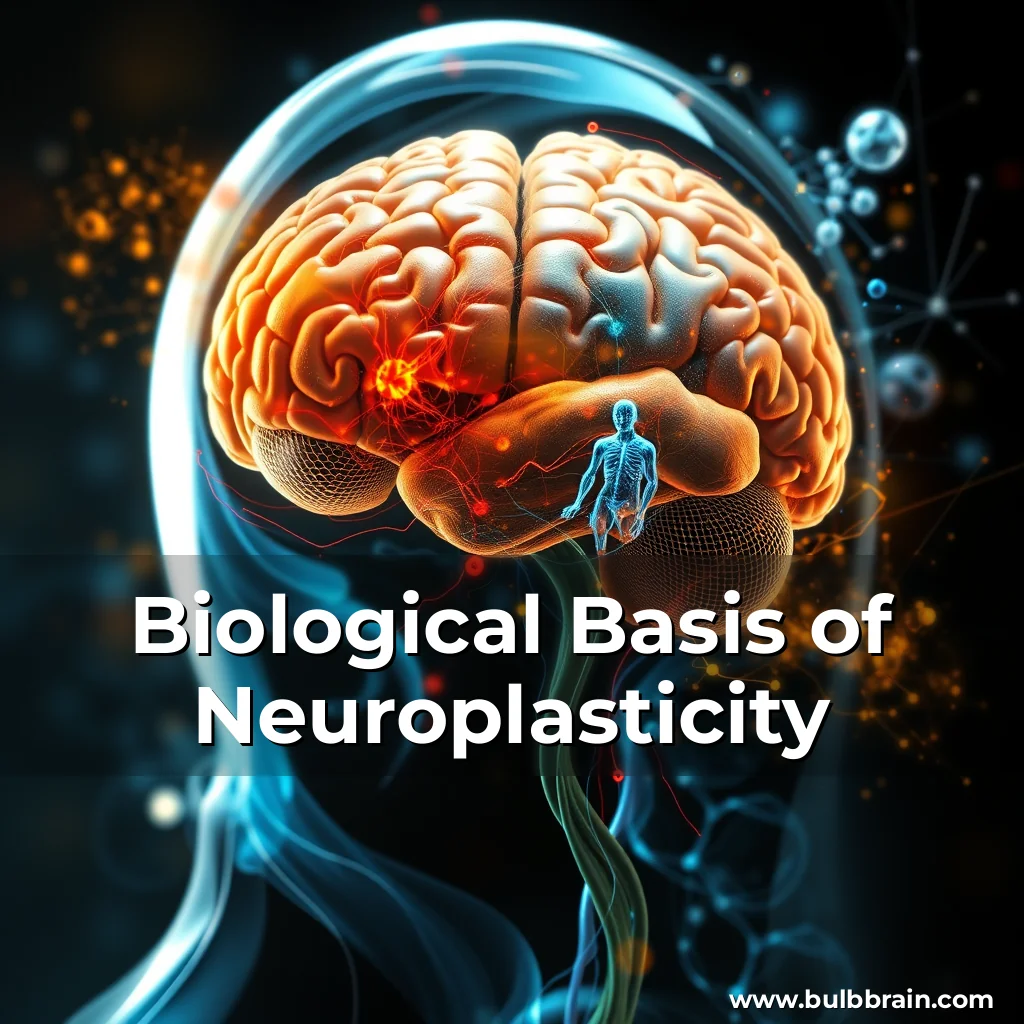
Neuroplasticity is the brain’s remarkable ability to reorganize itself in response to new experiences, environments, and learning. This concept has revolutionized the field of neuroscience, as it highlights the brain’s capacity for change and adaptation throughout life.
Structural Plasticity
- Neurogenesis: the birth of new neurons in the hippocampus and other parts of the brain.
- Synaptogenesis: the formation of new synapses between neurons.
- Dendritic spine remodeling: changes in the structure and function of dendrites.
These structural changes enable the brain to adapt to new situations and learn from experiences. Neuroplasticity is essential for learning and memory, and it plays a critical role in recovering from brain injuries and diseases.
Functional Plasticity
Functional plasticity refers to the brain’s ability to modify its neural connections and strength. This can occur through various mechanisms, including long-term potentiation (LTP) and long-term depression (LTD).
- Long-term potentiation (LTP): strengthening of neural connections through increased communication between neurons.
- Long-term depression (LTD): weakening of neural connections through decreased communication between neurons.
LTP and LTD are critical for learning and memory, as they allow the brain to reorganize its neural connections in response to new experiences. Functional plasticity is essential for adapting to new situations and learning from experiences.
Neurotrophic Factors
Neurotrophic factors, such as brain-derived neurotrophic factor (BDNF), play a crucial role in neuroplasticity. These factors promote the growth and survival of neurons, and they are essential for learning and memory.
BDNF is produced by neurons and other cells in the brain and plays a critical role in neuroplasticity. It promotes the growth and survival of neurons, and it is essential for learning and memory.
Age and Neuroplasticity
Age is a critical factor in neuroplasticity. Neuroplasticity is maximal during early development, but it persists in adulthood, particularly in the hippocampus and prefrontal cortex.
Reduced but significant potential for neuroplasticity persists in adulthood, and it is essential for learning and memory. Lifestyle modifications, such as exercise, sleep, and a healthy diet, can support neuroplasticity in adulthood.
Tools and Techniques to Hack Neuroplasticity
Several tools and techniques have been developed to enhance neuroplasticity, including:
- Non-invasive brain stimulation techniques, such as transcranial direct current stimulation (tDCS).
- Nootropics, such as medications and supplements.
- Mindfulness-based interventions.
- Technology-driven brain training programs.
These tools and techniques have been shown to enhance neuroplasticity and improve cognitive function. However, more research is needed to fully understand their effects and limitations.
Scientific Evidence
The scientific evidence for the effectiveness of these tools and techniques is mixed. Some studies have shown significant improvements in cognitive function, while others have found no effect.
More research is needed to fully understand the effects and limitations of these tools and techniques. It is essential to critically evaluate the available evidence and to consider the potential risks and benefits.
Commercial Players in the Cognitive Enhancement Space
The cognitive enhancement space has become increasingly crowded in recent years, with numerous commercial ventures offering tools to optimize cognitive performance.
These products and services range from gamified cognitive exercises to wearable brain stimulation devices. However, the scientific evidence supporting the claims made by these commercial players varies widely.
Ethical Considerations
The intentional manipulation of neuroplasticity raises complex ethical issues. The safety and long-term effects of interventions such as tDCS and nootropics are not fully understood.
Issues of equity and accessibility also emerge when cognitive enhancement tools are expensive or restricted to select populations.
Coercion or social pressure to use these tools in competitive environments is also a concern.
Conclusion
Neuroplasticity is a complex and multifaceted concept that has revolutionized the field of neuroscience. While the tools and techniques to enhance neuroplasticity have shown promise, more research is needed to fully understand their effects and limitations.
The intentional manipulation of neuroplasticity raises complex ethical issues. It is essential to critically evaluate the available evidence and to consider the potential risks and benefits.
Ultimately, enhancing neuroplasticity is not a mere hack but a nuanced and evolving field at the intersection of neuroscience, ethics, and public health.
| Key Takeaways | Conclusion |
|---|---|
| Neuroplasticity is the brain’s ability to reorganize itself in response to new experiences, environments, and learning. | Neuroplasticity is a complex and multifaceted concept that has revolutionized the field of neuroscience. |
| Structural plasticity involves changes in the structure and function of neurons, including neurogenesis, synaptogenesis, and dendritic spine remodeling. | Structural plasticity is essential for learning and memory and plays a critical role in recovering from brain injuries and diseases. |
| Functional plasticity involves the brain’s ability to modify its neural connections and strength through mechanisms such as long-term potentiation and long-term depression. | Functional plasticity is critical for learning and memory and allows the brain to adapt to new situations and learn from experiences. |
| Neurotrophic factors such as brain-derived neurotrophic factor (BDNF) play a crucial role in neuroplasticity and are essential for learning and memory. | BDNF promotes the growth and survival of neurons and is essential for learning and memory. |
| Aging is a critical factor in neuroplasticity, and lifestyle modifications such as exercise, sleep, and a healthy diet can support neuroplasticity in adulthood. | Lifestyle modifications are essential for supporting neuroplasticity in adulthood and can help to mitigate age-related declines in cognitive function. |
References
Marzola, P., Melzer, T., Pavesi, E., Gil-Mohapel, J., & Brocardo, P. S. (2023). Exploring the Role of Neuroplasticity in Development, Aging, and Neurodegeneration. Brain sciences, 13(12), 1610. DOI: 10.3390/brainsci13121610
Ishikuro, K., Hattori, N., Otomune, H., Furuya, K., Nakada, T., Miyahara, K., Shibata, T., Noguchi, K., Kuroda, S., Nakatsuji, Y., & Nishijo, H. Neural Mechanisms of Neuro-Rehabilitation Using Transcranial Direct Current Stimulation (tDCS) over the Front-Polar Area. Brain sciences, 13(11), 1604. DOI: 10.3390/brainsci13111604
Jangwan, N. S., Ashraf, G. M., Ram, V., Singh, V., Alghamdi, B. S., Abuzenadah, A. M., & Singh, M. F. (2022). Brain augmentation and neuroscience technologies: current applications, challenges, ethics and future prospects. Frontiers in systems neuroscience, 16, 1000495. DOI: 10.3389/fnsys.2022.1000495
Al-Shargie, F., GOH, C. M., & Al-Nashash, H. (2019). Cognitive Enhancement Techniques and Their Impact on Performance Improvements: A Review. OSF Preprints. DOI: 10.31219/osf.io/jnhd3
Shaffer J. (2016). Neuroplasticity and Clinical Practice: Building Brain Power for Health. Frontiers in psychology, 7, 1118. DOI: 10.3389/fpsyg.2016.01118
Toricelli, M., Pereira, A. A. R., Souza Abrao, G., Malerba, H. N., Maia, J., Buck, H. S., & Viel, T. (2021). Mechanisms of neuroplasticity and brain degeneration: strategies for protection during the aging process. Neural regeneration research, 16(1), 58–67. DOI: 10.4103/1673-5374.286952
Appelbaum, L.G., Shenasa, M.A., Stolz, L. et al. Synaptic plasticity and mental health: methods, challenges and opportunities. Neuropsychopharmacology. 48, 113–120 (2023). DOI: 10.1038/s41386-022-01370-w
Dresler, M., Sandberg, A., Bublitz, C., Ohla, K., Trenado, C., Mroczko-Wąsowicz, A., Kühn, S., & Repantis, D. Hacking the Brain: Dimensions of Cognitive Enhancement. ACS chemical neuroscience, 10(3), 1137–1148. DOI: 10.1021/acschemneuro.8b00571
Further Reading
References
1. Marzola et al. (2023) 2. Ishikuro et al. Jangwan et al. (2022) 4. Al-Shargie et al. (2019) 5. Shaffer J. (2016) 6. Toricelli et al. (2021) 7. Appelbaum et al. (2023) 8. Dresler et al.

news is a contributor at BulbBrain. We are committed to providing well-researched, accurate, and valuable content to our readers.
You May Also Like



About news
Passionate about learning, cognitive science, and helping people unlock their full potential.