
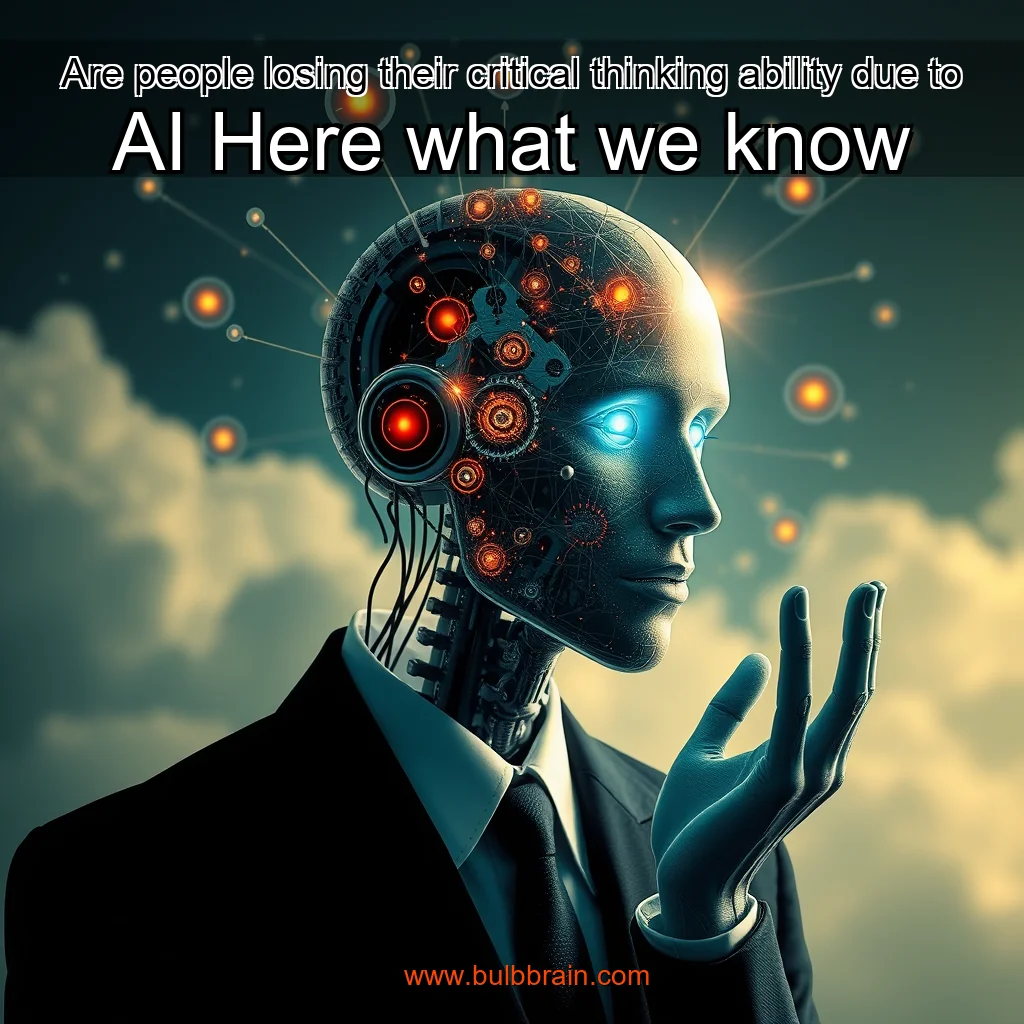
This phenomenon is known as “AI-induced cognitive bias.”
The Rise of AI-Induced Cognitive Bias
The increasing use of AI tools in the workplace has led to a concerning trend: workers are relying too heavily on these tools, leading to a decline in critical thinking skills. This phenomenon, known as “AI-induced cognitive bias,” has significant implications for the future of work.
The Problem with AI-Generated Content
When workers rely on AI tools to generate content, such as reports, emails, or social media posts, they often accept the output without questioning its accuracy or validity. This can lead to a lack of independent judgment and critical thinking, as workers may not be able to evaluate the information presented to them.
The Rise of Artificial Intelligence and Its Impact on Knowledge Workers
The increasing reliance on artificial intelligence (AI) tools has led to a significant shift in the way knowledge workers approach their tasks.
Confidence is key to evaluating AI-generated results, with self-confidence influencing how individuals perceive AI confidence.
The Psychology of AI Confidence
The relationship between human confidence in AI and its evaluation of AI-generated results is a complex one. Research has shown that individuals with higher levels of self-confidence in their cognitive abilities tend to be more critical of AI-generated answers. On the other hand, those with lower levels of self-confidence in their cognitive abilities tend to be more accepting of AI-generated answers.
The Role of Self-Confidence
Self-confidence plays a significant role in how individuals evaluate AI-generated results. When individuals have high levels of self-confidence in their cognitive abilities, they are more likely to question AI-generated answers and evaluate them critically. This is because they are more likely to believe that they possess the necessary knowledge and expertise to evaluate the results accurately. Key characteristics of individuals with high self-confidence in their cognitive abilities: + They are more likely to question AI-generated answers + They are more likely to evaluate AI-generated results critically + They are more likely to seek out additional information to verify the results + They are more likely to be skeptical of AI-generated answers On the other hand, individuals with low levels of self-confidence in their cognitive abilities tend to be more accepting of AI-generated answers.
The Dark Side of AI: Limiting Decision-Making Outcomes
The increasing use of artificial intelligence (AI) in various aspects of life has brought about numerous benefits, such as improved efficiency, accuracy, and speed. However, a recent study suggests that the over-reliance on AI might lead to a narrower range of outcomes in decision-making, potentially limiting our ability to think outside the box and innovate.
The Risks of Over-Reliance on AI
The Consequences of Limited Decision-Making Outcomes
A narrower range of outcomes in decision-making can have far-reaching consequences, including:
Relying on AI can lead to a decline in critical thinking skills.
The Risks of Relying on AI
Relying on AI to do the thinking for us can have serious consequences. Here are some of the risks:
Harnessing AI to Drive Business Success in the Modern Workplace.
Artificial intelligence (AI) is no longer just a buzzword; it’s a reality that’s transforming the way we work, interact, and collaborate. As AI continues to advance, it’s essential to understand its impact on the modern workplace and how it can be harnessed to drive business success.
The Rise of AI in the Workplace
The integration of AI in the workplace is a multifaceted phenomenon that’s reshaping the way we approach work. From automating routine tasks to enhancing decision-making, AI is becoming an indispensable tool for businesses. Here are some key aspects of AI’s presence in the workplace:
The Benefits of AI in the Workplace
The benefits of AI in the workplace are numerous and far-reaching.
Over-reliance on AI could lead to a lack of critical thinking skills, as well as a diminished ability to think creatively.
The Dark Side of AI: How Over-Reliance Can Affect Professionals
The Loss of Critical Thinking Skills
Example: A Medical Diagnosis
A doctor relies on AI to diagnose a patient’s condition. The AI system provides a diagnosis, but the doctor realizes that the diagnosis is based on incomplete or inaccurate information. The doctor must then manually review the data and make a more informed decision.
The Importance of Human Oversight
Human oversight is crucial in ensuring that AI systems are used effectively and responsibly. This includes:
The Diminished Ability to Think Creatively
“AI will start ruling many things…” ISRO Chief warns AI takeover in coming future End of Article FOLLOW US ON SOCIAL MEDIA

news is a contributor at BulbBrain. We are committed to providing well-researched, accurate, and valuable content to our readers.
You May Also Like

About news
Passionate about learning, cognitive science, and helping people unlock their full potential.