
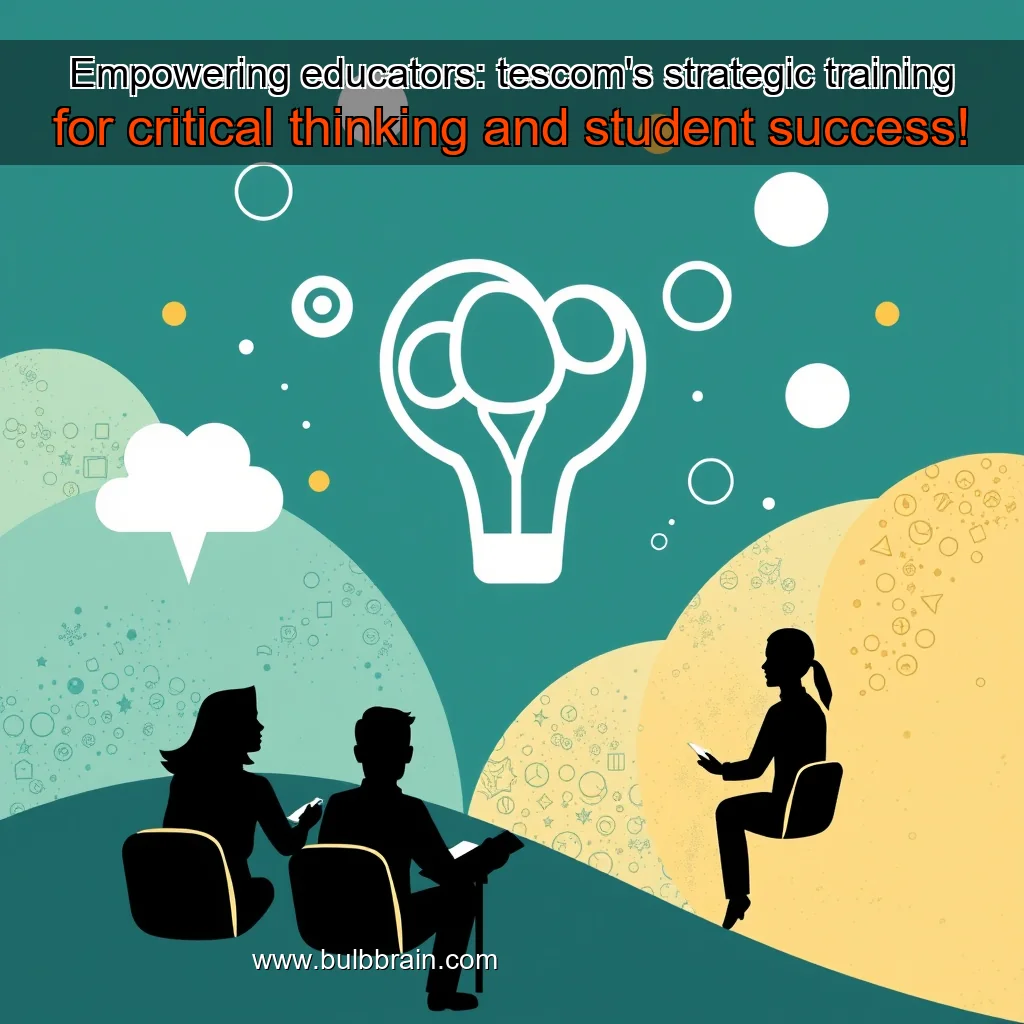
The Importance of Lifelong Learning for Teachers
As a key figure in the education sector, Mrs. Peregrino emphasized the significance of lifelong learning for teachers. This concept is particularly relevant in today’s fast-paced and ever-evolving educational landscape. With the constant influx of new technologies, teaching methods, and research findings, teachers must stay updated to provide the best possible education for their students.
Why Lifelong Learning Matters
Lifelong learning is not limited to formal education; it can also be achieved through informal and self-directed learning. Teachers can engage in online courses, attend workshops, and participate in professional development programs to stay current with the latest developments in their field.
Overcoming Barriers to Lifelong Learning
Despite these challenges, Mrs. Peregrino encouraged teachers to persevere and seek out opportunities for lifelong learning.
The government has taken steps to address this issue by launching a comprehensive teacher training program.
The Need for Teacher Training
The Lagos State Government acknowledges that the current state of teacher training is inadequate. Experts have pointed out that many teachers lack the necessary skills to engage students in meaningful learning experiences. This is particularly concerning in the context of 21st-century education, where critical thinking and problem-solving skills are essential for students to succeed. Key challenges facing teachers in Lagos include: + Limited access to resources and technology + Insufficient training in pedagogy and curriculum design + High teacher turnover rates and lack of job security + Limited opportunities for professional development
The Teacher Training Program
The Lagos State Government has launched a comprehensive teacher training program aimed at addressing the identified challenges. The program is designed to equip teachers with the necessary skills and knowledge to deliver high-quality education in the 21st century. Key components of the program include: + Professional development workshops and seminars + Online training modules and resources + Mentorship programs and coaching + Collaborative planning and peer review
Benefits of the Teacher Training Program
The teacher training program is expected to have a positive impact on the quality of education in Lagos State.
The Importance of Assessments in Education
Assessments play a vital role in the educational system, serving as a means to evaluate student learning and progress. However, traditional assessments often focus on rote memorization and recall, rather than promoting critical thinking and problem-solving skills. This can lead to a lack of engagement and motivation among students, ultimately affecting their academic performance.
The Limitations of Traditional Assessments
Traditional assessments typically rely on multiple-choice questions, short-answer questions, and written exams.
Critical thinking is the key to unlocking a child’s full potential in academics and beyond.
Critical thinking is the ability to analyze information, evaluate evidence, and make informed decisions. It is a skill that is highly valued in today’s fast-paced and complex world. In this article, we will explore the importance of developing critical thinking skills in children and how it can benefit them in the future.
The Importance of Critical Thinking in Children
Critical thinking is a skill that is essential for children to develop in order to succeed in life. It is a skill that is not only valuable in academics but also in personal and professional settings. Children who develop critical thinking skills are better equipped to make informed decisions, solve problems, and navigate complex situations.

news is a contributor at BulbBrain. We are committed to providing well-researched, accurate, and valuable content to our readers.
You May Also Like


About news
Passionate about learning, cognitive science, and helping people unlock their full potential.