
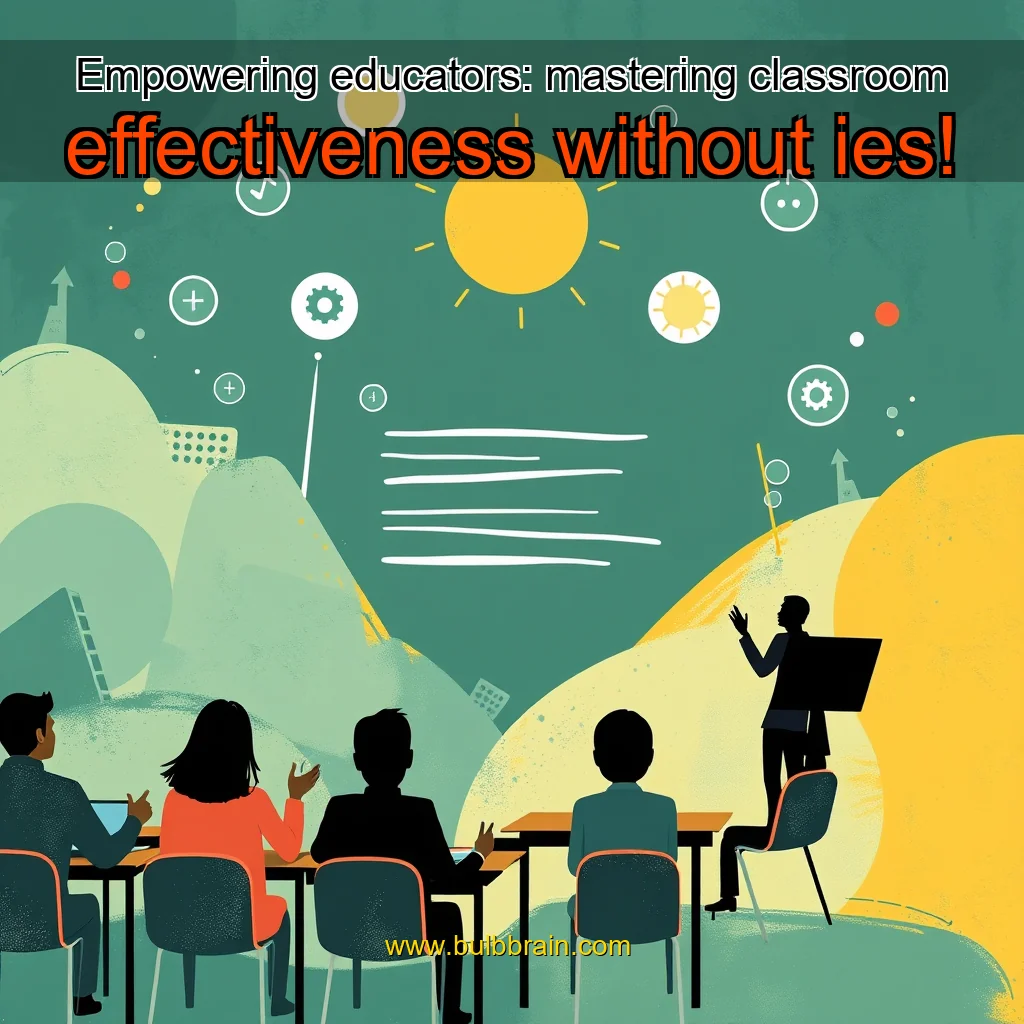
Funding cuts will severely impact the Institute of Education Sciences and the education sector.
The Institute of Education Sciences is a part of the Department of Education, which is part of the Department of Government Efficiency.
The Impact of the Cancellation of Contracts and Grants
The cancellation of contracts and grants will have a significant impact on the Institute of Education Sciences. The Institute relies heavily on these funding sources to support its research and training programs. Without these funds, the Institute will be forced to significantly reduce its operations and staff. The cancellation of contracts will result in the loss of funding for research projects and the termination of grants for training programs. The Institute will also have to reduce its workforce, which will lead to job losses and a decrease in the quality of services provided. The cancellation of grants will also impact the Institute’s ability to provide training and resources to teachers and educators.
The Consequences of Reduced Funding
Reduced funding will have far-reaching consequences for the Institute of Education Sciences and the education sector as a whole. Some of the consequences include:
The 1960s saw the introduction of the Elementary and Secondary Education Act, which aimed to improve student achievement levels. However, despite these efforts, student achievement levels have continued to decline in recent years.
The Decline of Student Achievement
The decline in student achievement levels is a pressing concern that has sparked widespread debate and discussion. According to the National Assessment of Educational Progress (NAEP), the percentage of 17-year-old students scoring below basic level in reading and mathematics has increased significantly over the past few decades. This trend is particularly alarming given the critical role that education plays in shaping the future of individuals and society as a whole. Key statistics: + 34% of 17-year-old students scored below basic level in reading in 2019 + 27% of 17-year-old students scored below basic level in mathematics in 2019 + The percentage of students scoring below basic level in reading and mathematics has increased by 10% and 15% respectively since 2009
The Causes of the Decline
The decline in student achievement levels can be attributed to a complex interplay of factors.
The No Child Left Behind Act mandated that schools prioritize reading instruction, with a focus on phonics-based methods. The law also introduced the concept of “adequate yearly progress” (AYP), which required schools to demonstrate improvement in student performance over time.
The Early Years: Establishing the Foundation
The National Commission on Excellence in Education, established in 1983, marked a significant turning point in the nation’s approach to education. Led by Terrel Bell, the commission aimed to identify areas of improvement and provide recommendations for enhancing the quality of education.
This unique structure allows the IES to focus on evidence-based decision-making and avoid the influence of special interests.
The History of the Institute of Education Sciences
The Institute of Education Sciences (IES) was established in 2002 as part of the No Child Left Behind Act. The IES was created to provide a centralized source of information on education research and to support the development of evidence-based policies.
Evidence-based recommendations for schools and districts to inform instructional practices and programs.
The What Works Clearinghouse has also published 30 research briefs on topics such as the effectiveness of reading programs.
The Purpose of the What Works Clearinghouse
The What Works Clearinghouse is a government-funded initiative that aims to provide evidence-based recommendations to local decision-makers. Its primary goal is to help schools and districts make informed decisions about instructional practices and programs. By distilling complex research into clear and concise recommendations, the What Works Clearinghouse saves educators and policymakers time and effort.
Key Features of the What Works Clearinghouse
This can lead to a proliferation of ineffective programs and a lack of accountability.
The Problem of Pseudoscience in Education
The Institute of Education Sciences (IES) plays a crucial role in protecting educational freedom by countering pseudoscience and fads in education. Pseudoscience refers to claims or theories that are not supported by scientific evidence, yet are presented as fact. In education, pseudoscience can manifest in various forms, such as unproven teaching methods, untested curricula, or unsubstantiated claims about the effectiveness of educational programs. Examples of pseudoscience in education include: + Unproven methods like “blended learning” or “flipped classrooms” that are often touted as revolutionary, but lack empirical evidence to support their effectiveness. + Unsubstantiated claims about the benefits of certain educational materials or software.
The Brain Training Industry’s Lack of Credibility and Scientific Evidence.
The Rise of Brain Training Programs
The brain training industry has experienced significant growth in recent years, with programs like Brain Balance and Learning Rx leading the charge. These programs promise to improve cognitive function, boost memory, and enhance overall brain health. However, a closer examination reveals a concerning trend: many of these programs lack credible, peer-reviewed evidence to support their claims.
The Lack of Scientific Evidence
The Pseudoscientific Industry
The brain training industry is rife with pseudoscientific products and programs that prey on parents’ fears and anxieties about their children’s cognitive development. These programs often rely on unproven theories and unsubstantiated claims, which can be misleading and even damaging. Some programs claim to use “neuroplasticity” or “brainwave entrainment” to improve cognitive function, but these concepts are not supported by empirical evidence.
The Importance of Rigorous Research in Education
Rigorous research is essential in the field of education, as it provides a solid foundation for evidence-based decision-making. Without access to reliable and trustworthy research, educators and policymakers may rely on anecdotal evidence or unproven methods, leading to ineffective or even counterproductive interventions.
The Legacy of Lucy Calkins’ Reading and Writing Project
The Reading and Writing Project, founded by Lucy Calkins in 1989, was a groundbreaking initiative that transformed the way teachers approached reading and writing instruction. For over three decades, the project’s influence can be seen in the teaching practices of educators worldwide.
A New Approach to Reading Instruction
Calkins’ approach to reading instruction focused on the importance of comprehension and the need for teachers to model reading behaviors for their students. The project’s emphasis on reading workshops, where students read independently and discuss their texts with peers, revolutionized the way teachers taught reading.

news is a contributor at BulbBrain. We are committed to providing well-researched, accurate, and valuable content to our readers.
You May Also Like


About news
Passionate about learning, cognitive science, and helping people unlock their full potential.