
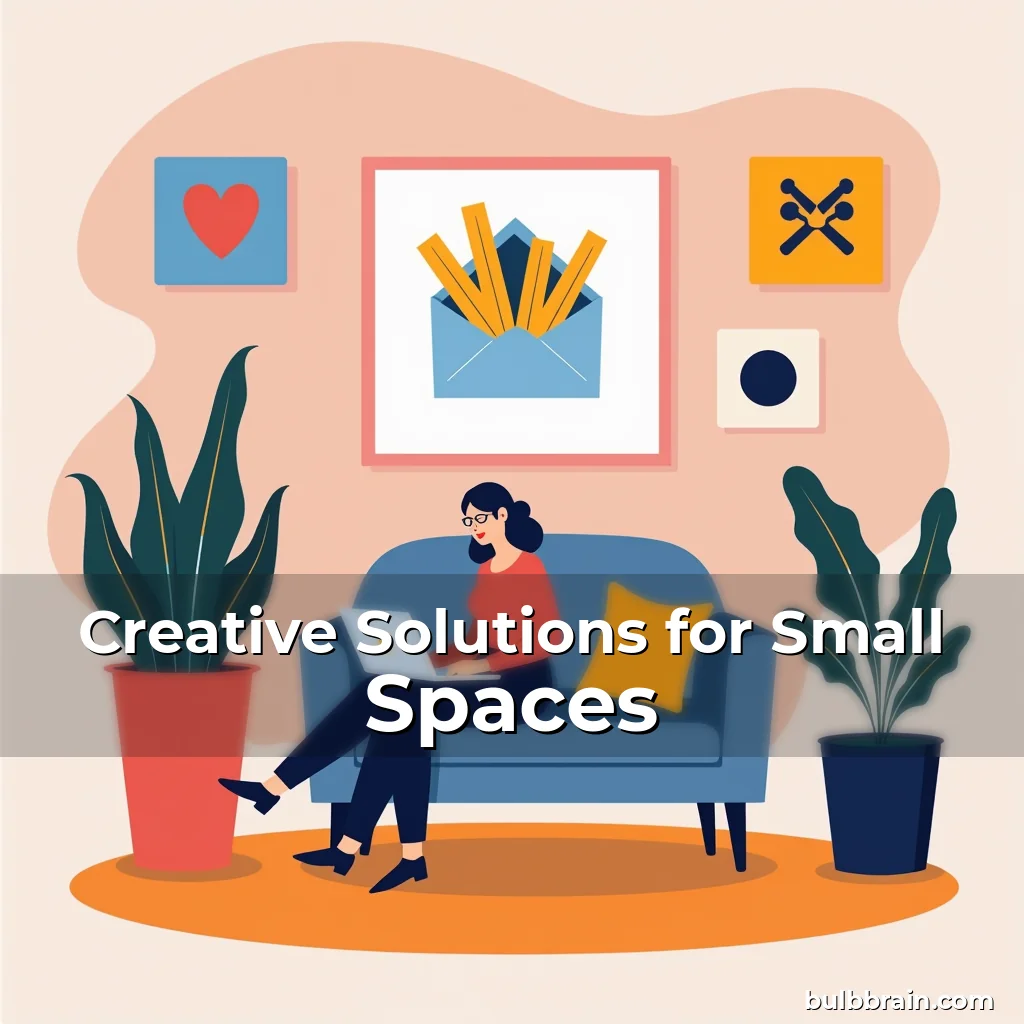
Creative Solutions for Small Spaces
In an era where urban living is becoming increasingly common, maximizing every square inch has never been more crucial. Creative solutions for small spaces are transforming how we live, work, and interact within confined environments. These innovative approaches not only enhance functionality but also foster creativity.
From clever storage systems to multifunctional furniture, the possibilities seem endless when designing for limited space. The key lies in embracing ingenuity that turns constraints into opportunities.
The Power of Multifunctional Furniture
Multifunctional furniture stands at the forefront of creative spatial design. A single piece can serve multiple purposes while maintaining aesthetic appeal. This approach reduces clutter and optimizes floor space efficiently.
Consider sofa beds that transform into sleeping quarters overnight or dining tables with built-in storage compartments. Such designs exemplify how practicality meets innovation seamlessly.
Furniture manufacturers now prioritize modularity, allowing users to customize their setups according to changing needs. For instance, wall-mounted desks that fold away when not in use save precious room real estate.
Investing in these versatile pieces ensures long-term adaptability without compromising style or comfort. It’s a win-win scenario for anyone seeking efficient living solutions.
- Space-saving: Units designed with retractable mechanisms allow seamless transitions between uses.
- Cost-effective: Reduces need for additional purchases by combining functions into one item.
- Aesthetic value: Modern designs maintain visual harmony even during functional transformations.
Smart Storage Innovations
Storage solutions have evolved beyond traditional cabinets and shelves. Innovative storage ideas leverage vertical space effectively while remaining visually appealing.
Pipe organizers mounted along walls provide structured yet flexible storage options ideal for wires, cords, and small accessories. These minimalist additions add character without overwhelming the area.
Hidden compartments integrated into furniture offer discreet storage for valuables or frequently used items. Think of coffee tables with lift-top drawers or bed frames featuring under-bed storage units.
Built-in niches within walls create custom storage areas tailored specifically to individual needs. They’re particularly useful for displaying decorative objects or housing essential supplies.
Utilizing overhead space through ceiling-mounted racks or hanging baskets adds another dimension to available storage capacity.
- Vertical utilization: Maximizing height rather than expanding footprint helps preserve open floor plans.
- Customization potential: Modular shelving allows rearrangement based on current requirements.
- Visual organization: Well-planned storage maintains cleanliness and order effortlessly.
Innovative Lighting Techniques
Lighting plays a pivotal role in shaping perceptions of space size and ambiance. Thoughtful lighting choices can make rooms feel larger and more inviting.
Using natural light strategically enhances perception of openness. Large windows combined with sheer curtains filter sunlight beautifully while maintaining privacy.
Recessed lighting fixtures embedded in ceilings distribute illumination evenly across surfaces. Their subtle presence avoids creating harsh shadows or glare issues.
Track lighting offers flexibility by allowing directional control over where light lands. It’s especially beneficial in kitchens or art display areas requiring focused illumination.
LED strip lights installed beneath cabinets or behind entertainment centers add ambient glow that transforms ordinary spaces into dynamic environments.
- Spatial illusion: Proper placement tricks the eye into seeing more depth than actually exists.
- Energy efficiency: LED technology consumes less power compared to conventional bulbs.
- Design versatility: Available in various colors and brightness levels to suit any decor scheme.
DIY Decor Ideas That Transform Spaces
Personalized touches elevate small spaces from mere shelters into expressive sanctuaries. DIY projects enable customization that reflects individual tastes uniquely.
Wall hangings made from repurposed materials introduce texture and color without taking up much surface area. Fabric scraps, driftwood, or old books become artistic displays instantly.
Painted patterns using stencils give plain walls new life with minimal effort. Geometric shapes or abstract motifs add visual interest without dominating the space.
Plants placed creatively around corners help soften edges created by tight layouts. Hanging planters suspended above doorways maximize greenery coverage without consuming ground space.
Decorative mirrors positioned smartly reflect light back into the room, making it appear more expansive. Choosing mirrored accents wisely prevents overcrowding effects.
- Eco-friendly: Upcycling existing items minimizes waste and promotes sustainability practices.
- Cost-efficient: Many materials required for DIY projects come free or at very low costs.
- Self-expression: Custom creations showcase personal identity through interior decoration choices.
Flexible Layouts Through Room Dividers
Room dividers act as movable partitions that redefine boundaries within compact interiors. They facilitate zoning without permanent construction modifications.
Freestanding screens crafted from fabric panels offer both privacy and style benefits simultaneously. These lightweight structures easily relocate depending on usage demands.
Sliding doors equipped with glass inserts let daylight pass through while separating distinct activity zones. They’re perfect for home offices adjacent to living areas needing occasional isolation.
Folding screens composed of bamboo or wood slats bring nature indoors aesthetically pleasing manner. Their durability makes them suitable for frequent repositioning scenarios.
These adaptable elements encourage experimentation with different configurations that best fit evolving lifestyles.
- Privacy management: Enables selective visibility between connected areas without blocking airflow completely.
- Functional separation: Helps distinguish between workspaces and relaxation spots clearly defined yet interconnected.
- Decorative enhancement: Offers styling opportunities through pattern selection or material combinations.
Maximizing Outdoor Living Areas
Outdoor spaces shouldn’t be overlooked when considering creative solutions for small homes. With thoughtful planning, patios and balconies become extensions of indoor living areas.
Compact outdoor seating sets configured ergonomically optimize usable square footage significantly. Folding chairs paired with extendable tables provide flexibility matching varying guest numbers.
Vertical gardens hung against fences utilize otherwise wasted surface area productively. They add lush greenery without demanding extensive horizontal space.
Retractable awnings protect against sun exposure while contributing to overall aesthetics gracefully. Their ease of deployment makes them highly practical addition.
Multi-purpose outdoor equipment such as convertible grill stations double as prep counters enhancing usability dramatically.
- Weather protection: Covers shield against rain and UV damage preserving investments longevity.
- Seasonal adaptation: Easy-to-store components allow seasonal changes accommodating different weather conditions.
- Social engagement: Designed layouts promote interaction among guests naturally facilitating conversation flows.
The Role of Technology in Spatial Creativity
Modern technologies continue pushing boundaries regarding what’s possible within constrained environments. Smart devices contribute substantially towards achieving optimal utility from smaller footprints.
Voice-controlled assistants streamline daily tasks reducing physical movement requirements around cramped quarters. Their integration simplifies managing appliances remotely conveniently.
Automated window shades adjust themselves according to time-of-day settings ensuring consistent indoor climate control automatically.
Wireless charging pads eliminate cable tangles improving safety aspects notably in child-friendly surroundings. They also reduce visual clutter visibly enhancing tidiness levels.
Digital whiteboards replace chalkboards offering interactive features that support collaborative activities more dynamically.
- Convenience factor: Hands-free operations minimize disruptions caused by manual adjustments constantly.
- Space optimization: Eliminates need for bulky hardware traditionally associated with certain functionalities.
- Future-readiness: Keeps pace with technological advancements enabling continued relevance over extended periods.
Community Building Through Shared Spaces
Encouraging communal interactions fosters stronger connections among neighbors despite limited private areas available individually. Shared facilities stimulate social cohesion organically.
Co-working lounges situated centrally within residential complexes cater professionals needing temporary office spaces nearby colleagues similarly situated.
Gardens maintained collectively cultivate sense belongingness reinforcing neighborhood bonds consistently over time spent together nurturing plants jointly.
Playgrounds established near communal gathering points ensure children engage safely outdoors promoting healthy development actively alongside peers regularly.
Such initiatives turn potential challenges posed by restricted personal space into advantages building robust local networks instead.
- Resource sharing: Pooling resources reduces individual burden making collective efforts manageable sustainably.
- Safety improvement: Increased supervision deters vandalism encouraging responsible behavior generally observed publicly.
- Health promotion: Active participation encourages exercise routines benefiting mental wellbeing positively impacting quality of life broadly.
Conclusion
Creative solutions for small spaces demonstrate remarkable potential transforming limitations into distinctive advantages. By adopting inventive strategies thoughtfully, individuals discover unexpected opportunities previously unimagined.
Whether through multifunctional furnishings, intelligent storage techniques, or technologically advanced tools, there exist numerous pathways leading toward fulfilling living experiences regardless of spatial constraints faced initially.
“`
Creative Solutions for Small Spaces
In an era where urban living is becoming increasingly common, maximizing every square inch has never been more crucial. Creative solutions for small spaces are transforming how we live, work, and interact within confined environments. These innovative approaches not only enhance functionality but also foster creativity.
From clever storage systems to multifunctional furniture, the possibilities seem endless when designing for limited space. The key lies in embracing ingenuity that turns constraints into opportunities.
The Power of Multifunctional Furniture
Multifunctional furniture stands at the forefront of creative spatial design. A single piece can serve multiple purposes while maintaining aesthetic appeal. This approach reduces clutter and optimizes floor space efficiently.
Consider sofa beds that transform into sleeping quarters overnight or dining tables with built-in storage compartments. Such designs exemplify how practicality meets innovation seamlessly.
Furniture manufacturers now prioritize modularity, allowing users to customize their setups according to changing needs. For instance, wall-mounted desks that fold away when not in use save precious room real estate.
Investing in these versatile pieces ensures long-term adaptability without compromising style or comfort. It’s a win-win scenario for anyone seeking efficient living solutions.
- Space-saving: Units designed with retractable mechanisms allow seamless transitions between uses.
- Cost-effective: Reduces need for additional purchases by combining functions into one item.
- Aesthetic value: Modern designs maintain visual harmony even during functional transformations.
Smart Storage Innovations
Storage solutions have evolved beyond traditional cabinets and shelves. Innovative storage ideas leverage vertical space effectively while remaining visually appealing.
Pipe organizers mounted along walls provide structured yet flexible storage options ideal for wires, cords, and small accessories. These minimalist additions add character without overwhelming the area.
Hidden compartments integrated into furniture offer discreet storage for valuables or frequently used items. Think of coffee tables with lift-top drawers or bed frames featuring under-bed storage units.
Built-in niches within walls create custom storage areas tailored specifically to individual needs. They’re particularly useful for displaying decorative objects or housing essential supplies.
Utilizing overhead space through ceiling-mounted racks or hanging baskets adds another dimension to available storage capacity.
- Vertical utilization: Maximizing height rather than expanding footprint helps preserve open floor plans.
- Customization potential: Modular shelving allows rearrangement based on current requirements.
- Visual organization: Well-planned storage maintains cleanliness and order effortlessly.
Innovative Lighting Techniques
Lighting plays a pivotal role in shaping perceptions of space size and ambiance. Thoughtful lighting choices can make rooms feel larger and more inviting.
Using natural light strategically enhances perception of openness. Large windows combined with sheer curtains filter sunlight beautifully while maintaining privacy.
Recessed lighting fixtures embedded in ceilings distribute illumination evenly across surfaces. Their subtle presence avoids creating harsh shadows or glare issues.
Track lighting offers flexibility by allowing directional control over where light lands. It’s especially beneficial in kitchens or art display areas requiring focused illumination.
LED strip lights installed beneath cabinets or behind entertainment centers add ambient glow that transforms ordinary spaces into dynamic environments.
- Spatial illusion: Proper placement tricks the eye into seeing more depth than actually exists.
- Energy efficiency: LED technology consumes less power compared to conventional bulbs.
- Design versatility: Available in various colors and brightness levels to suit any decor scheme.
DIY Decor Ideas That Transform Spaces
Personalized touches elevate small spaces from mere shelters into expressive sanctuaries. DIY projects enable customization that reflects individual tastes uniquely.
Wall hangings made from repurposed materials introduce texture and color without taking up much surface area. Fabric scraps, driftwood, or old books become artistic displays instantly.
Painted patterns using stencils give plain walls new life with minimal effort. Geometric shapes or abstract motifs add visual interest without dominating the space.
Plants placed creatively around corners help soften edges created by tight layouts. Hanging planters suspended above doorways maximize greenery coverage without consuming ground space.
Decorative mirrors positioned smartly reflect light back into the room, making it appear more expansive. Choosing mirrored accents wisely prevents overcrowding effects.
- Eco-friendly: Upcycling existing items minimizes waste and promotes sustainability practices.
- Cost-efficient: Many materials required for DIY projects come free or at very low costs.
- Self-expression: Custom creations showcase personal identity through interior decoration choices.
Flexible Layouts Through Room Dividers
Room dividers act as movable partitions that redefine boundaries within compact interiors. They facilitate zoning without permanent construction modifications.
Freestanding screens crafted from fabric panels offer both privacy and style benefits simultaneously. These lightweight structures easily relocate depending on usage demands.
Sliding doors equipped with glass inserts let daylight pass through while separating distinct activity zones. They’re perfect for home offices adjacent to living areas needing occasional isolation.
Folding screens composed of bamboo or wood slats bring nature indoors aesthetically pleasing manner. Their durability makes them suitable for frequent repositioning scenarios.
These adaptable elements encourage experimentation with different configurations that best fit evolving lifestyles.
- Privacy management: Enables selective visibility between connected areas without blocking airflow completely.
- Functional separation: Helps distinguish between workspaces and relaxation spots clearly defined yet interconnected.
- Decorative enhancement: Offers styling opportunities through pattern selection or material combinations.
Maximizing Outdoor Living Areas
Outdoor spaces shouldn’t be overlooked when considering creative solutions for small homes. With thoughtful planning, patios and balconies become extensions of indoor living areas.
Compact outdoor seating sets configured ergonomically optimize usable square footage significantly. Folding chairs paired with extendable tables provide flexibility matching varying guest numbers.
Vertical gardens hung against fences utilize otherwise wasted surface area productively. They add lush greenery without demanding extensive horizontal space.
Retractable awnings protect against sun exposure while contributing to overall aesthetics gracefully. Their ease of deployment makes them highly practical addition.
Multi-purpose outdoor equipment such as convertible grill stations double as prep counters enhancing usability dramatically.
- Weather protection: Covers shield against rain and UV damage preserving investments longevity.
- Seasonal adaptation: Easy-to-store components allow seasonal changes accommodating different weather conditions.
- Social engagement: Designed layouts promote interaction among guests naturally facilitating conversation flows.
The Role of Technology in Spatial Creativity
Modern technologies continue pushing boundaries regarding what’s possible within constrained environments. Smart devices contribute substantially towards achieving optimal utility from smaller footprints.
Voice-controlled assistants streamline daily tasks reducing physical movement requirements around cramped quarters. Their integration simplifies managing appliances remotely conveniently.
Automated window shades adjust themselves according to time-of-day settings ensuring consistent indoor climate control automatically.
Wireless charging pads eliminate cable tangles improving safety aspects notably in child-friendly surroundings. They also reduce visual clutter visibly enhancing tidiness levels.
Digital whiteboards replace chalkboards offering interactive features that support collaborative activities more dynamically.
- Convenience factor: Hands-free operations minimize disruptions caused by manual adjustments constantly.
- Space optimization: Eliminates need for bulky hardware traditionally associated with certain functionalities.
- Future-readiness: Keeps pace with technological advancements enabling continued relevance over extended periods.
Community Building Through Shared Spaces
Encouraging communal interactions fosters stronger connections among neighbors despite limited private areas available individually. Shared facilities stimulate social cohesion organically.
Co-working lounges situated centrally within residential complexes cater professionals needing temporary office spaces nearby colleagues similarly situated.
Gardens maintained collectively cultivate sense belongingness reinforcing neighborhood bonds consistently over time spent together nurturing plants jointly.
Playgrounds established near communal gathering points ensure children engage safely outdoors promoting healthy development actively alongside peers regularly.
Such initiatives turn potential challenges posed by restricted personal space into advantages building robust local networks instead.
- Resource sharing: Pooling resources reduces individual burden making collective efforts manageable sustainably.
- Safety improvement: Increased supervision deters vandalism encouraging responsible behavior generally observed publicly.
- Health promotion: Active participation encourages exercise routines benefiting mental wellbeing positively impacting quality of life broadly.
Conclusion
Creative solutions for small spaces demonstrate remarkable potential transforming limitations into distinctive advantages. By adopting inventive strategies thoughtfully, individuals discover unexpected opportunities previously unimagined.
Whether through multifunctional furnishings, intelligent storage techniques, or technologically advanced tools, there exist numerous pathways leading toward fulfilling living experiences regardless of spatial constraints faced initially.
“`

news is a contributor at BulbBrain. We are committed to providing well-researched, accurate, and valuable content to our readers.
You May Also Like



About news
Passionate about learning, cognitive science, and helping people unlock their full potential.