
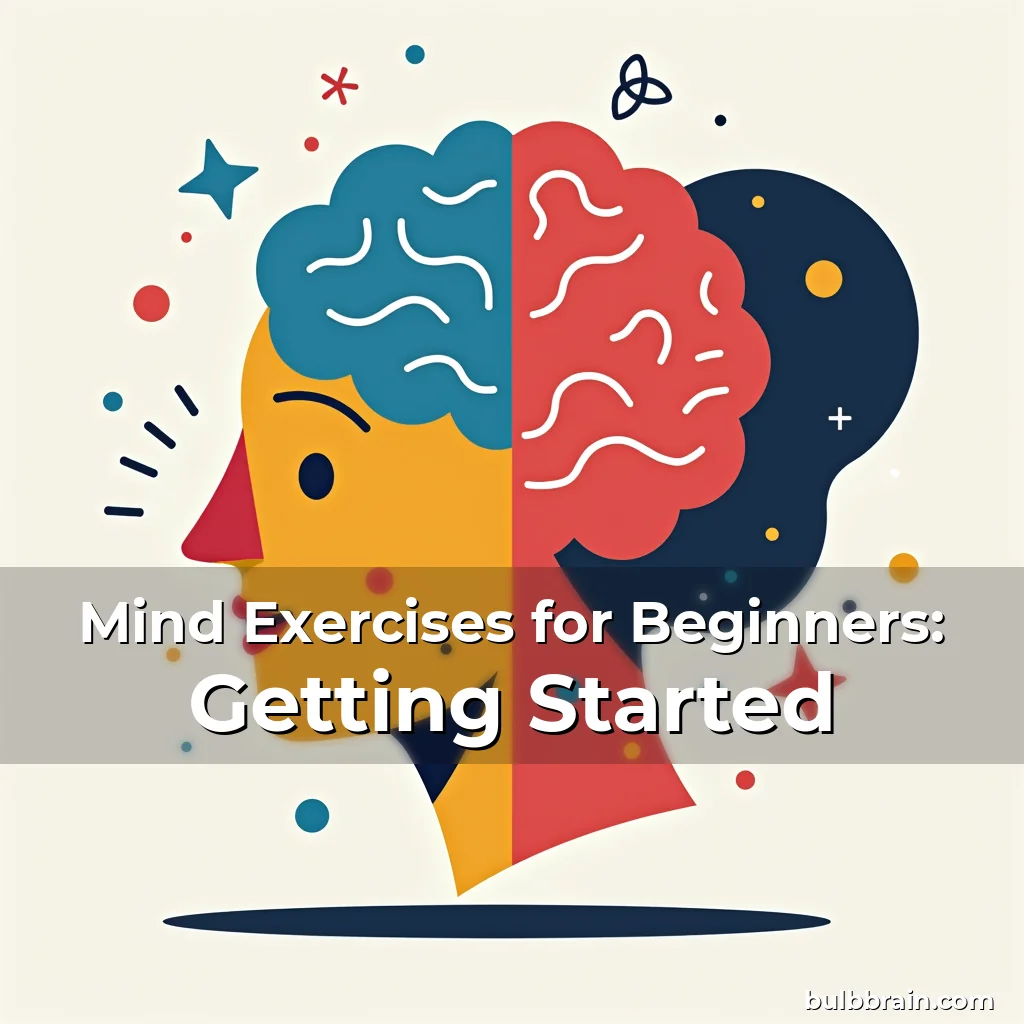
The Power of Mind Exercises: Boost Your Brainpower Naturally
In today’s fast-paced world, maintaining mental sharpness has never been more crucial. Mind exercises offer an accessible way to enhance cognitive abilities without relying on external supplements or complex routines.
These brain-boosting activities range from simple daily practices to structured programs that target memory retention, problem-solving skills, and emotional regulation.
Understanding the Science Behind Mental Training
Neuroplasticity—the brain’s ability to reorganize itself—forms the foundation of mind exercises. This natural process allows neurons to form new connections throughout life.
Scientific studies have shown that regular mental stimulation can increase gray matter density in regions associated with learning and memory. The prefrontal cortex, responsible for decision-making, benefits significantly from consistent training.
Engaging in mentally challenging tasks triggers the release of neurochemicals like dopamine and serotonin. These chemicals not only improve mood but also support neural growth and connectivity.
The key principle behind effective mental exercises lies in their capacity to challenge existing patterns while promoting novel ways of thinking. This balance ensures continuous development rather than stagnation.
Essential Types of Mind Exercises
A wide array of mental workouts exists, each targeting different aspects of cognitive function. From puzzles to meditation, these exercises cater to diverse needs and preferences.
Cognitive games such as Sudoku and crosswords stimulate logical reasoning and pattern recognition. They require focused attention and strategic thinking to solve increasingly difficult problems.
Memory enhancement techniques include mnemonic devices and spaced repetition systems. These methods help transfer information from short-term to long-term memory storage effectively.
- Puzzles: Improve analytical skills through pattern identification challenges
- Meditation: Enhance concentration by focusing on breath awareness and mindfulness
- Language learning: Strengthen executive functions via vocabulary acquisition and grammar rules
- Lateral thinking: Develop creative problem-solving approaches using unconventional logic
Daily journaling serves as both a reflective practice and a tool for improving verbal fluency. Writing regularly helps organize thoughts systematically and boosts metacognition abilities.
Getting Started With Daily Brain Workouts
Newcomers often find it overwhelming to choose between various types of mental exercises. A gradual approach ensures sustainable progress without burnout.
Beginners might benefit most from low-intensity activities like crossword puzzles or basic math drills. These foundational exercises build confidence before tackling more demanding tasks.
Scheduling specific times for mental training creates consistency. Allocating even fifteen minutes daily can yield significant improvements over time.
Combining different exercise types prevents monotony and promotes holistic brain development across multiple domains simultaneously.
Advanced Techniques for Cognitive Enhancement
Once comfortable with basics, individuals can explore advanced strategies designed to push mental boundaries further. These techniques often involve multitasking elements and higher-order processing.
Learning foreign languages engages multiple cognitive faculties at once—including auditory discrimination, grammatical structures, and cultural context interpretation. It’s an excellent method for strengthening working memory capacity.
Practicing chess requires foresight, risk assessment, and tactical calculation. Players must anticipate opponents’ moves while developing their own optimal strategy paths.
Programming involves abstract thinking combined with precise execution. Coding challenges train logical sequencing skills essential for many real-world applications.
Debates and public speaking workshops develop eloquence and critical thinking under pressure. These social interactions sharpen communication skills while enhancing quick-reaction capabilities.
The Role of Physical Activity in Mental Development
Physical movement plays a vital role in supporting cognitive health alongside traditional mind exercises. Exercise increases blood flow to the brain, delivering oxygen-rich nutrients necessary for optimal functioning.
Aerobic activities like running or swimming trigger the production of brain-derived neurotrophic factor (BDNF), which supports neuronal survival and synaptic plasticity. Regular cardiovascular exercise improves overall brain efficiency.
Yoga combines physical postures with controlled breathing techniques that calm the nervous system. Its meditative aspect enhances focus during mental workouts later in the day.
Strength training builds muscle mass while also stimulating growth hormone secretion—a factor linked to improved cognitive performance when balanced properly within a fitness routine.
Nutrition’s Impact on Cognitive Performance
What we consume directly affects our mental acuity and energy levels. Nutrient-dense foods provide essential building blocks for neurotransmitter synthesis and cellular repair processes.
Fish rich in omega-3 fatty acids, particularly DHA, support membrane fluidity in brain cells. Studies show regular consumption correlates with better memory recall and reduced inflammation markers.
Berries contain antioxidants that protect against oxidative stress damage—an aging-related concern affecting cognitive decline rates. Blueberries specifically demonstrate enhanced spatial memory effects after prolonged intake.
Dark chocolate contains flavonoids known to improve cerebral blood flow temporarily. While indulgence should be moderate, occasional treats may offer brief cognitive benefits worth considering.
Creating Sustainable Habits Through Routine Building
Establishing lasting habits around mental exercises demands careful consideration regarding timing, environment, and motivation factors. Successful integration depends heavily on personal lifestyle compatibility.
Selecting preferred times of day aligns with individual circadian rhythms. Morning sessions capitalize on fresh minds, whereas evening routines allow relaxation-focused practices suitable for winding down.
Designating specific spaces dedicated solely to mental training reinforces behavioral conditioning. Consistent locations cue the brain automatically enter ‘focus mode’ upon arrival.
Tracking progress through journals or apps provides visual feedback reinforcing commitment levels. Celebrating small victories maintains morale during plateaus or setbacks.
Overcoming Common Obstacles in Mental Workout Regimens
Many people abandon their mental exercise routines due to perceived difficulties or lack of immediate results. Identifying potential barriers enables proactive solutions tailored to individual circumstances.
Time constraints represent the most frequent obstacle preventing regular participation. Prioritizing high-impact exercises maximizes gains within limited durations efficiently.
Lack of engagement occurs when chosen activities become monotonous or unchallenging. Rotating different exercise formats keeps novelty alive and sustains interest levels consistently.
Self-doubt manifests when progress appears slow despite consistent effort. Reframing expectations toward long-term goals instead of instant gratification fosters perseverance through inevitable fluctuations.
Community Support and Accountability Systems
Participating in online forums or local groups offers invaluable encouragement and shared experiences among fellow enthusiasts pursuing similar objectives.
Joining study circles or puzzle clubs creates structured environments where accountability naturally develops through peer interaction and collective achievements.
Apps featuring leaderboards and achievement badges gamify the experience making adherence easier through friendly competition mechanisms.
Virtual coaching services provide personalized guidance adapting recommendations based on evolving skill sets and changing priorities over time.
Measuring Progress and Adjusting Strategies
Assessing effectiveness relies on objective metrics combined with subjective self-evaluations tracking changes in cognitive abilities objectively.
Standardized tests measuring reaction speed, working memory span, and pattern recognition abilities serve as reliable benchmarks for quantifiable improvement.
Keeper logs documenting completed exercises along with difficulty levels used help identify areas requiring refinement or expansion gradually.
Periodic reassessment every few months ensures continued relevance of current regimens adjusting intensity appropriately according to emerging capabilities.
Conclusion
Mind exercises present a powerful yet accessible means of nurturing intellectual vitality across all stages of life. Their versatility accommodates varying schedules, interests, and developmental needs seamlessly.
To begin your journey towards sharper cognition, start small with enjoyable activities that spark curiosity while gradually expanding horizons through deliberate practice over time. Remember, consistency matters more than perfection when cultivating enduring mental strength.

news is a contributor at BulbBrain. We are committed to providing well-researched, accurate, and valuable content to our readers.
You May Also Like

About news
Passionate about learning, cognitive science, and helping people unlock their full potential.