
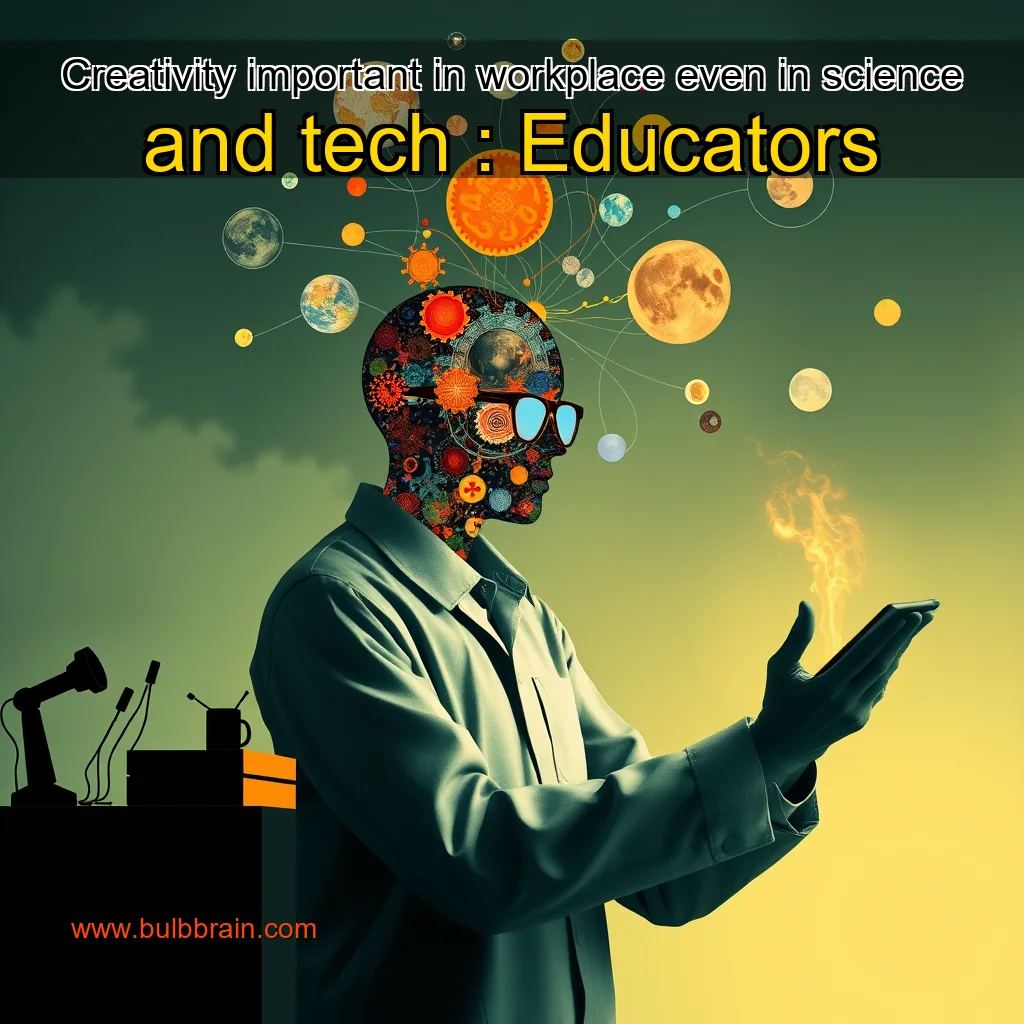
Singaporean students excel in creative thinking, outperforming peers worldwide.
The study found that Singaporean students outperformed students from other countries in this area.
The PISA Study
The Programme for International Student Assessment (PISA) is an annual study that assesses the performance of 15-year-old students in reading, mathematics, and science literacy. The study is conducted by the Organisation for Economic Co-operation and Development (OECD) and is considered one of the most comprehensive assessments of student performance worldwide.
The Focus on Creative Thinking
In the 2022 PISA study, the focus shifted to creative thinking, which is an essential skill for students to succeed in the 21st century. The study aimed to evaluate how well students can generate creative ideas and think outside the box.
Singapore’s Education System: A Catalyst for Creative Thinking
Singapore’s education system has been a subject of interest and admiration globally, particularly in the realm of fostering creative thinking. The country’s approach to education has yielded impressive results, with a significant proportion of its students excelling in creative fields.
Key Features of Singapore’s Education System
The Role of the Syllabus in Fostering Creative Thinking
The syllabus plays a crucial role in shaping the educational landscape of Singapore. The curriculum is designed to nurture creative thinking, with a focus on developing skills such as:
Case Study: The Success of Singapore’s Students
A notable example of the effectiveness of Singapore’s education system is the performance of its students in the field of science, technology, engineering, and mathematics (STEM). According to the results, about 58 per cent of Singapore students were top performers in STEM fields, demonstrating the country’s commitment to fostering creative thinking and problem-solving skills.
The Impact of Singapore’s Education System on the Economy
The success of Singapore’s education system has far-reaching implications for the country’s economy. By fostering creative thinking and problem-solving skills, the country is able to attract top talent and drive innovation.
The Surprising Benefits of Being a Less Well-Off Student
In a world where socio-economic status is often seen as a determinant of academic success, a recent study has revealed that being less well-off can actually be a blessing in disguise for students. According to the study, students from lower-income backgrounds are not only performing better than their peers from wealthier families, but they are also more likely to excel in various fields, including science and technology.
The Creative Advantage
One of the key findings of the study is that students from lower-income backgrounds are more likely to think creatively and develop innovative solutions to problems. This is not limited to unstructured fields like art and music, but also applies to more structured fields like science and technology. In fact, educators say that the results indicate that students can thrive in a wide range of fields, even those that are traditionally seen as more rigid and formulaic. Some of the key benefits of a creative approach include: + Developing problem-solving skills + Encouraging critical thinking + Fostering innovation and entrepreneurship + Building resilience and adaptability
The Science of Success
The study’s findings have significant implications for the way we approach education and academic success. In particular, the results suggest that students from lower-income backgrounds are more likely to excel in science and technology fields, which are often seen as more challenging and competitive. This is likely due to the fact that students from lower-income backgrounds are more likely to be motivated by a desire to succeed, rather than simply to meet the expectations of their parents or society.
The State of Creativity in Education
Creativity is a vital skill that is essential for success in various aspects of life, including academics, career, and personal growth. However, a recent study has revealed that a significant number of students lack confidence in their creative abilities.
Students take center stage
Multimodal resources are used to engage students and promote learning.
Inquiry-based learning approaches provide students with the space to exercise choice and share their voices. There are also multimodal resources in the classrooms, including videos.
Introduction
Inquiry-based learning (IBL) has become a popular approach in education, particularly in the 21st century.
MOE’s Commitment to Teacher Development: Fostering Creativity, Confidence, and Collaboration.
MOE’s Commitment to Teacher Development
The Ministry of Education (MOE) has reaffirmed its commitment to supporting teachers in improving their education approach. This commitment is crucial in fostering students’ creativity and boosting their confidence. MOE recognizes that teachers play a vital role in shaping students’ minds and preparing them for the future.
Key Initiatives
MOE has launched several initiatives to support teachers in their professional development. Some of the key initiatives include:
Fostering Creativity and Confidence
MOE’s initiatives are designed to foster students’ creativity and boost their confidence. By providing teachers with the support and resources they need, MOE aims to create a learning environment that is engaging, interactive, and challenging. This, in turn, will enable students to develop their critical thinking skills, solve problems creatively, and become more confident in their abilities.
Collaboration and Community Building
MOE also recognizes the importance of collaboration and community building among teachers. By providing opportunities for teachers to share their experiences, best practices, and ideas, MOE aims to create a sense of community and camaraderie among educators.

news is a contributor at BulbBrain. We are committed to providing well-researched, accurate, and valuable content to our readers.
You May Also Like

About news
Passionate about learning, cognitive science, and helping people unlock their full potential.