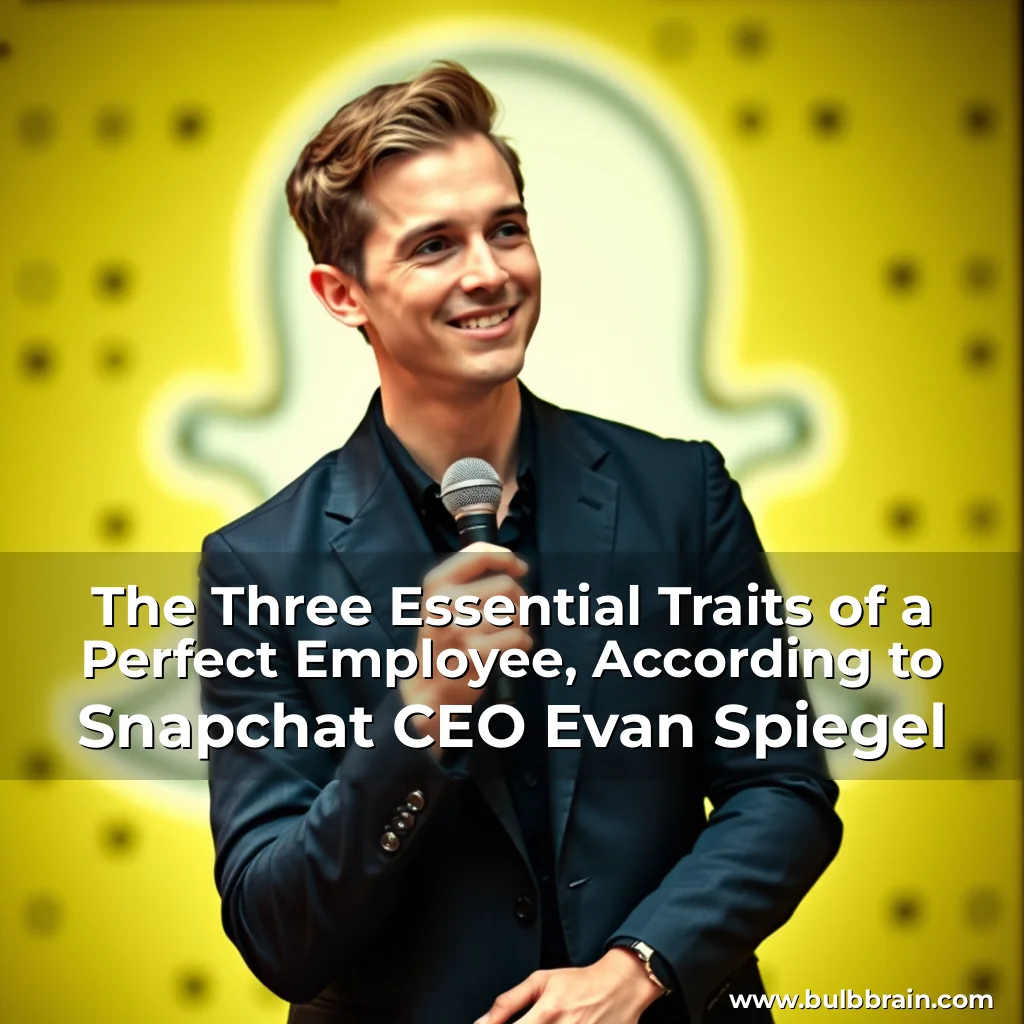
Kindness is a vital component of a successful work environment, according to Evan Spiegel, the CEO of Snapchat. When people feel comfortable sharing their thoughts and ideas, creativity flourishes, and the atmosphere is conducive to innovation.
“Ten years ago, people weren’t talking about kindness at work,” Spiegel noted. But he believes kindness is crucial — even in business. Despite the pervasive belief that you must be cutthroat to make it in the working world, he found that kindness is actually “the essential ingredient,” particularly if you want to have a creative work culture. Kindness creates an atmosphere where people feel comfortable sharing their thoughts and bold ideas without fear of being ridiculed.
• Kindness benefits everyone, from employees to the business as a whole. • It creates an environment where people feel comfortable sharing their thoughts and ideas. • It helps employees feel more fulfilled, boosts their self-esteem, and improves their self-evaluations. Some companies have seen the benefits of a kind and compassionate workplace culture. For example, Google, Amazon, and Microsoft have implemented programs to foster kindness and empathy among their employees. These programs have led to improved job satisfaction, reduced turnover rates, and increased productivity. *
- When people receive a compliment or words of recognition, it helps them feel more fulfilled, boosts their self-esteem, improves their self-evaluations, and triggers positive emotions.
- Kindness at work can lead to increased employee engagement and productivity.
- It can also improve employee retention, as employees are more likely to stay with a company that values kindness and compassion.
Intelligence is a vital component of a successful work environment, particularly in today’s fast-paced and competitive job market. According to Moster.com, a global employment website, there are four types of intelligence that can contribute to a successful workplace. The four types of intelligence are:
- People smart (interpersonal intelligence)
- Details smart (logical and critical thinking)
- Ideas smart (innovative, creative, and big-picture oriented)
- Senses smart (single-minded focus and attention to detail)
*
| People Smart (Interpersonal Intelligence) | Details Smart (Logical and Critical Thinking) | Ideas Smart (Innovative, Creative, and Big-Picture Oriented) | Senses Smart (Single-Minded Focus and Attention to Detail) |
|---|---|---|---|
| Reads others well and excels at communication skills, empathy, and social awareness. | Detail-oriented, logical, and excels at critical thinking. | Especially innovative, creative, and big-picture oriented. | Has a single-minded focus and is the most likely to succeed in business. |
Creativity is essential for innovation and driving business success. According to Forbes contributor Rachel Wells, organizations thrive when employees and leaders alike are creative. “When everyone thinks creatively for the good of the business, that organization is best positioned to withstand external threats and develop unique products or services that attract customers and strengthen their standing against competitors,” Wells wrote. • More than 70% of employers say creative thinking is one of their most sought-after skills. • Creative thinking drives innovation and helps organizations stay ahead of the competition. • Organizations that foster creativity experience long-term fulfillment and success. By incorporating kindness, intelligence, and creativity into their workplace culture, companies can create an environment that fosters innovation, productivity, and job satisfaction. As Evan Spiegel, the CEO of Snapchat, has shown, these traits are essential for building a successful and thriving work culture.