The Power of Creativity and Innovation in Addressing Global Challenges
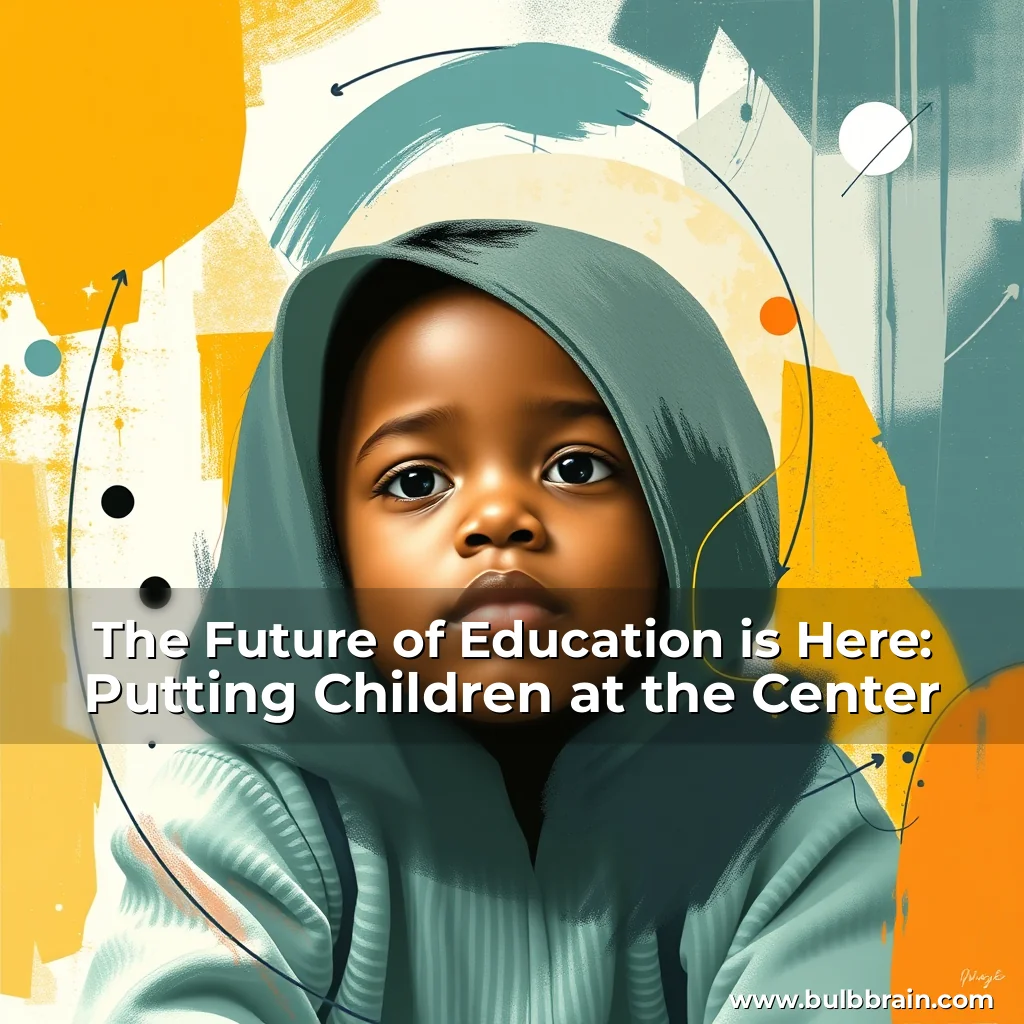
Creativity and innovation are essential in finding extraordinary solutions to abnormal problems, especially when it comes to protecting the world’s most vulnerable children from the devastating effects of war, displacement, and destruction of their last hope: a quality education. As the current humanitarian and development funding levels continue to fall, it is crucial that we find creative solutions to prevent further deterioration and turn towards an upward direction. The concept of a “Copernican Revolution” can be applied to our current situation. Just as Nicolaus Copernicus’ theory placed the Sun at the center of our solar system, we need a similar revolution in our approach to addressing the world’s most pressing challenges. This revolution should be guided by data, evidence, creativity, and innovation, with empathy as the highest value. We need to place children at the center of our efforts and use education as the most powerful instrument to tap their vast potential. This is the vision behind the UN80 Initiative, Pact for the Future, and other initiatives designed to reimagine the delivery of humanitarian aid. By doing so, we can make the seemingly impossible possible and ensure that every child has access to a quality education.
The Current State of Education in Emergencies and Protracted Crises
The Education Cannot Wait (ECW) global fund for education in emergencies and protracted crises in the United Nations is committed to evidence-driven reforms to streamline its operations and ensure that every donor dollar creates a positive impact on the lives of children caught in the frontlines of conflict, climate change, and forced displacement. The current funding environment is concerning, with approximately 75 million crisis-affected children needing education support when ECW became operational in 2017. Today, that number has skyrocketed to nearly a quarter of a billion – 234 million – due to violent conflicts in places like the Democratic Republic of the Congo, Gaza, Sudan, and Ukraine, as well as climate-related natural disasters and unprecedented human displacement and migration.
Data-Driven Decision Making
The work of ECW is driven by data and evidence to achieve optimal results and impact. The data tells us that a lack of quality education, especially across the Global South, is costing us trillions of dollars in lost opportunities every year. According to the World Bank, “Limited educational opportunities and barriers for girls cost the world economy between US$15 trillion and US$30 trillion in nine countries, with the cost of out-of-school children estimated to be greater than the value of an entire year of GDP growth in some countries.”
Additionally, investing US$1 in early childhood education can generate returns as high as US$17 for the most disadvantaged children worldwide. This highlights the importance of investing in education, particularly for the most vulnerable children.
Impact Investments and Partnerships
ECW is also embracing impact investments as a creative approach to resource mobilization. Through partnerships with visionary businesses like Swiss Cantonal Banks and Tribe Impact Capital LLP, ECW is able to connect private capital with public goods. This enables the organization to crowd-in resources and expertise, pool funds, and broker partnerships to deliver on a development sector, such as education, in humanitarian crises.
Reimagining Humanitarian Aid Delivery
Together with its strategic donor partners, ECW is reimagining the way it delivers life-saving education supports on the frontlines of the world’s most severe humanitarian crises. By following the evidence-based vision of Nicolaus Copernicus and placing children at the center of our collective efforts, we can make the impossible possible.
Conclusion
In conclusion, the future of education is here, and it’s centered on the needs of the world’s most vulnerable children. By embracing creativity, innovation, and data-driven decision making, we can deliver on the reforms envisioned in the UN80 Initiative, Pact for the Future, and other initiatives.

news is a contributor at BulbBrain. We are committed to providing well-researched, accurate, and valuable content to our readers.