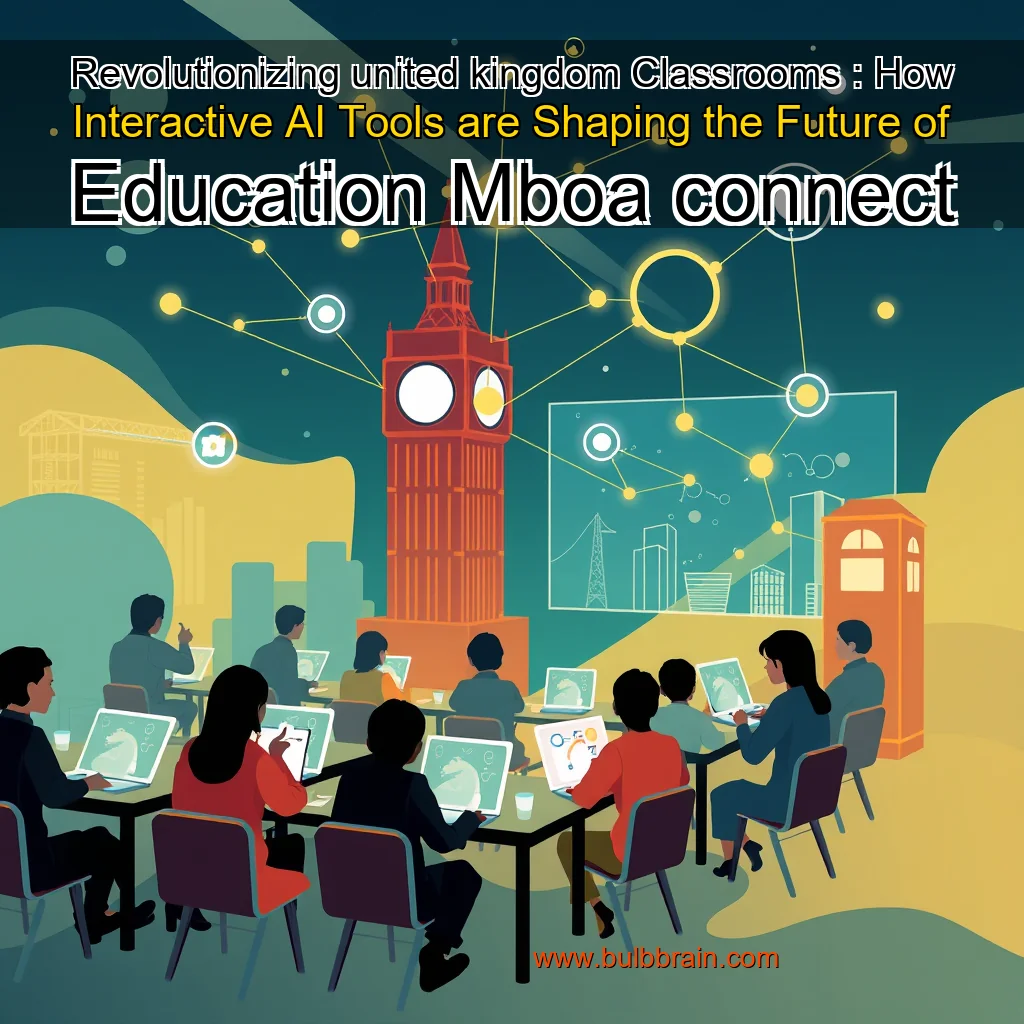
The integration of AI in education has the potential to revolutionize the way we learn and teach.
The Rise of AI-Powered Education
The use of AI in education has been on the rise over the past decade, with many institutions and organizations investing heavily in developing and implementing AI-powered educational tools. This trend is expected to continue, with the global AI in education market projected to reach $1.4 billion by 2025.
Key Benefits of AI-Powered Education
AI in Education: Enhancing Teaching and Learning
The integration of Artificial Intelligence (AI) in educational settings has been gaining momentum in recent years. As technology advances, AI-powered tools are becoming increasingly prevalent in schools, transforming the way teachers teach and students learn.
Here are some key takeaways from AI case studies in the UK:
AI in the Classroom: A UK Perspective
The UK has been at the forefront of implementing AI in education, with many schools and universities embracing the technology to enhance teaching and learning. From AI-powered virtual teaching assistants to intelligent tutoring systems, the applications of AI in education are diverse and multifaceted.
Virtual Teaching Assistants
One of the most significant applications of AI in UK education is the use of virtual teaching assistants. These AI-powered tools can help teachers with tasks such as grading, data analysis, and student feedback. For example, the AI-powered virtual teaching assistant, “TeachMe,” has been used in several UK schools to help teachers with administrative tasks. Key features of virtual teaching assistants: + Automated grading and feedback + Data analysis and reporting + Personalized learning recommendations + Support for teachers with administrative tasks
Intelligent Tutoring Systems
Intelligent tutoring systems (ITS) are another area where AI is being used in UK education. These systems use AI to provide one-on-one support to students, tailoring the learning experience to their individual needs. For example, the ITS, “Replika,” has been used in several UK universities to support students with learning difficulties. Key features of intelligent tutoring systems: + Personalized learning recommendations + Adaptive assessment and feedback + Support for students with learning difficulties + Integration with learning management systems
AI-Powered Learning Environments
AI is also being used to create more immersive and engaging learning environments.
The Rise of AI-Driven Learning Environments
The integration of AI in educational settings has led to the development of immersive and interactive learning environments. These environments are designed to cater to individual learning styles, providing students with a personalized experience that enhances their engagement and motivation. Key features of AI-driven learning environments include: + Adaptive assessments that adjust to a student’s learning pace and abilities + Real-time feedback that helps students track their progress + Interactive simulations that make complex concepts more accessible + Virtual and augmented reality experiences that simulate real-world scenarios
The Benefits of AI-Driven Learning Environments
The benefits of AI-driven learning environments are multifaceted and far-reaching.
AI tools can also help identify and address learning gaps, providing personalized support to students. Here are some key benefits of using interactive AI tools in education:
Key Benefits of Interactive AI Tools in Education
How Interactive AI Tools Work
Interactive AI tools use a combination of natural language processing (NLP) and machine learning algorithms to analyze student data and adapt content in real-time.
As educators and policymakers grapple with the implications of AI in education, it is essential to consider the potential risks and benefits.
The Benefits of AI in Education
Enhancing Student Engagement
AI-powered tools can revolutionize the way students learn and interact with educational content. Interactive simulations, virtual labs, and adaptive learning platforms can make complex concepts more accessible and engaging. For instance, AI-driven virtual reality experiences can transport students to historical sites, allowing them to explore and interact with the past in a more immersive and memorable way. Interactive simulations can help students develop problem-solving skills and critical thinking. Virtual labs can provide a safe and controlled environment for students to conduct experiments and investigations.
The Challenges of Implementing AI in Schools
The integration of Artificial Intelligence (AI) in schools has been a topic of discussion among educators and policymakers in recent years. While AI has the potential to revolutionize the way we learn, its implementation is not without its challenges. One of the primary concerns is the potential for data privacy and security breaches. With the increasing use of AI systems, schools are faced with the daunting task of protecting sensitive student data.
Data Privacy and Security Concerns
Financial Constraints
Here are some key points to consider:
The Rise of AI-Driven Adaptive Learning Systems
AI-driven adaptive learning systems are designed to tailor educational content to individual students’ needs, abilities, and learning styles. These systems use machine learning algorithms to analyze student performance data and adjust the difficulty level of course materials accordingly. This approach enables students to learn at their own pace, accelerating their progress and improving their understanding of complex concepts. Key features of AI-driven adaptive learning systems: + Personalized learning paths + Real-time assessment and feedback + Adaptive difficulty adjustment + Integration with learning management systems
The Impact on Teaching and Learning Techniques
The integration of AI-driven adaptive learning systems is expected to transform teaching and learning techniques.
AI can also help personalize learning experiences for students, making education more engaging and effective.
The Role of AI in Education
Enhancing Accessibility
AI can play a significant role in enhancing accessibility in education.
Here are some key takeaways from educator insights and expert opinions on AI in education:
AI-Powered Personalization
AI-Driven Assessment and Feedback
Integrating AI into Education Requires Robust Frameworks to Ensure Student Benefits and Teacher Support.
The Need for Robust Frameworks in AI Integration
The integration of Artificial Intelligence (AI) into educational settings has been gaining momentum in recent years. As AI technologies continue to advance, educators and policymakers are faced with the challenge of developing effective frameworks to support this integration. Experts in educational policy emphasize the importance of establishing robust frameworks to ensure that AI is used in a way that benefits students and enhances the learning experience.
Key Considerations for AI Integration Frameworks
When designing AI integration frameworks, several key considerations must be taken into account. These include:
The Role of Policymakers in Supporting AI Integration
Policymakers play a critical role in supporting the integration of AI into educational settings.