This achievement is a testament to the innovative and engaging approach that PeopleStories has taken in creating an immersive learning experience for its users.
The Journey to Success
PeopleStories has been a pioneer in the field of e-learning, pushing the boundaries of what is possible in creating interactive and personalized learning experiences. The company’s commitment to innovation and excellence has led to numerous awards and recognition, including the prestigious LearnX Awards.
Key Factors Contributing to Success
The MDS is equipped with a range of digital tools and resources, including:
Digital Tools and Resources
The MDS is designed to provide a comprehensive and engaging learning experience for students in remote villages. By leveraging digital technology, the MDP aims to bridge the educational gap between rural and urban areas.
How the MDS Works
The MDS is a self-sustaining unit that operates independently, with a team of trained educators and technical support staff. The system is designed to be flexible and adaptable, allowing for easy integration with existing educational infrastructure. The MDS is equipped with a range of digital tools and resources, including educational software, online learning platforms, and digital libraries. The system is powered by a remote server, which stores and shares educational content.
Rural students get a boost with digital learning on wheels.
However, rural areas still face significant challenges in accessing quality education.
The Digital Learning Bus
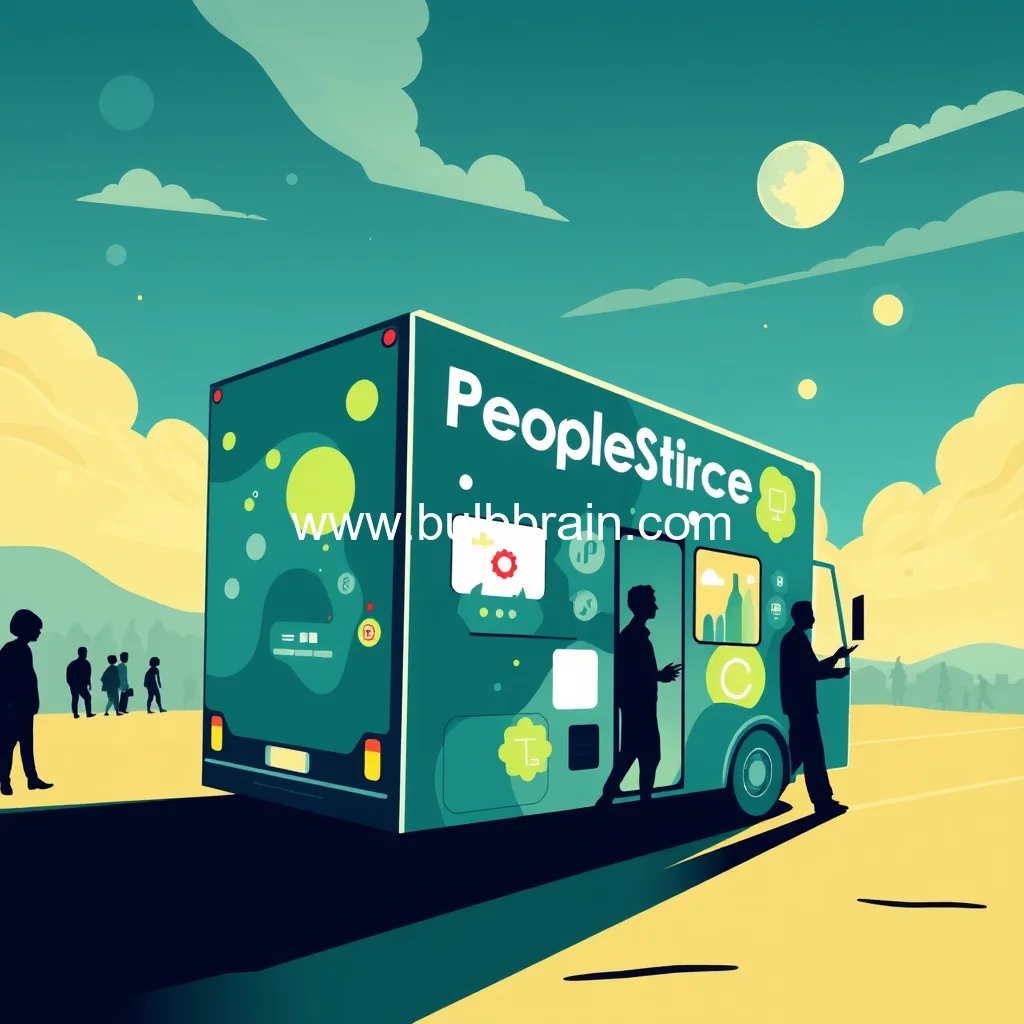
In rural Cambodia, a unique initiative has been launched to bridge the educational gap between urban and rural areas. The “Digital Learning Bus” is a specially designed vehicle that travels from village to village, providing children with access to digital learning activities. This innovative approach aims to bring quality education to rural areas, where resources are scarce and infrastructure is limited.
How it Works
The Digital Learning Bus is equipped with a range of digital tools and resources, including computers, tablets, and educational software. The bus is staffed by a team of trained educators who provide guidance and support to students as they engage in digital learning activities. The bus travels to different villages, setting up temporary learning centers where children can access the digital resources.
The MDS has also provided a safe and supportive environment for children to learn and grow.
The Making of a Difference: The MDS Initiative
The Making a Difference (MDS) initiative is a groundbreaking program that has been making a profound impact on the lives of children in need. With a focus on providing educational and personal development opportunities, the MDS has been delivering exceptional results, transforming the lives of thousands of young individuals.
The Vision Behind MDS
The MDS initiative was born out of a desire to address the pressing issue of youth unemployment and lack of opportunities in the community. The program’s founders recognized that many young people were lacking the skills and confidence to secure employment, and that they needed a supportive environment to learn and grow.
Key Components of MDS
The MDS initiative is built around several key components, including:
This course is designed to help students develop their critical thinking skills through a variety of activities and exercises. Some examples of activities include:
The MDS Model: A Holistic Approach to Education
The MDS model is a comprehensive approach to education that combines digital lessons with in-person activities. This model allows for a more engaging and interactive learning experience, which is essential for students to develop their critical thinking skills.
Key Components of the MDS Model
The MDS model consists of several key components that work together to provide a holistic approach to education. These components include:
The MDS: Empowering Critical Thinking
The MDS is a groundbreaking educational program that addresses a critical gap in the way we teach children. For too long, traditional teaching methods have relied on rote memorization, leaving students unprepared to tackle complex problems and think critically. The MDS is a game-changer, providing children with the skills and confidence to think for themselves.
What is the MDS? The MDS is a comprehensive program that focuses on developing critical thinking skills in children. It is designed to be flexible and adaptable, allowing teachers to tailor the program to meet the needs of their students.
This innovation enabled the MDS to reach a wider audience and provide educational resources to students in rural areas who previously had limited access to digital learning.
The MDS’s Innovative Solution
The MDS’s remote server system was a game-changer for rural areas. By providing a reliable and consistent internet connection, the team was able to deliver high-quality digital learning resources to students who previously had limited access.
bridging the gap with digital education in rural cambodia.
The Impact of Digital Education on Rural Cambodia
The recognition by LearnX has brought attention to the crucial role that digital education plays in bridging the gap between rural and urban areas in Cambodia. The charity’s work in providing digital education to rural communities has been instrumental in improving access to information and skills.
The Challenges of Rural Cambodia
Rural Cambodia faces numerous challenges, including limited access to education, infrastructure, and resources. The lack of connectivity and digital literacy skills hinders the ability of rural communities to access and utilize digital education. This has resulted in a significant gap in educational outcomes between rural and urban areas. Limited access to digital infrastructure, such as internet and computers, makes it difficult for rural communities to access digital education. Low digital literacy skills among rural residents limit their ability to effectively use digital education resources. Limited access to educational resources and materials hinders the ability of rural communities to access quality education.
The Role of Digital Education in Bridging the Gap
Digital education has the potential to bridge the gap between rural and urban areas in Cambodia. By providing access to digital education, rural communities can improve their skills, knowledge, and access to information. This can lead to improved educational outcomes, increased economic opportunities, and enhanced quality of life. Digital education can provide rural communities with access to a wide range of educational resources and materials. Digital education can improve digital literacy skills among rural residents, enabling them to effectively use digital education resources.
Scaling the MDS: A New Era of Impact Investing
The MDS, a pioneering program in Cambodia, has been making waves in the education sector for years. PeopleStories is now poised to take its impact to the next level by scaling the MDS and expanding its reach to more communities. This ambitious plan is made possible by the charity’s commitment to collaboration and partnerships.
Key Partnerships
The Benefits of Scaling the MDS
A New Era of Impact Investing
The charity is exploring innovative financing models and partnerships to support the scaling of the MDS.
PeopleStories is a program designed to help children develop essential life skills, such as self-awareness, self-regulation, and social skills. The program is based on the principles of positive psychology and focuses on building resilience and confidence in children.
The Benefits of PeopleStories
PeopleStories offers numerous benefits for children, including:
These benefits can have a lasting impact on a child’s life, shaping their future success and well-being.
How PeopleStories Works
PeopleStories is a comprehensive program that incorporates various activities and exercises to help children develop essential life skills. The program is designed to be engaging, interactive, and fun, making it accessible to children of all ages and backgrounds.