Unlocking Ingenuity: Creative Thinking Strategies for Everyday Innovation
In a world driven by rapid change and evolving challenges, the ability to think creatively isn’t merely advantageous—it’s essential. Whether tackling professional hurdles, designing functional spaces, or solving personal dilemmas, creative thinking transforms obstacles into opportunities. For the bulbbrain community, this skill acts as a bridge between limitation and imagination.
The journey toward mastering creative thinking begins with recognizing its value. It empowers us to see beyond conventional boundaries, generating solutions that redefine problems themselves. By cultivating these skills, we unlock pathways to innovation that thrive in both vast landscapes and intimate corners.
The Foundations of Creative Thinking
Creative thinking starts with an open mindset—one that embraces curiosity and questions assumptions. When we approach problems with a willingness to explore possibilities, our brains enter a state conducive to innovation. This openness allows unexpected connections to surface, fueling new ideas.
Divergent thinking plays a central role in this process. Unlike linear problem-solving, it involves exploring many possible solutions simultaneously. Techniques such as mind mapping or free association help generate diverse options before narrowing them down. This phase is crucial for uncovering unconventional answers.
- Fostering Curiosity: Cultivate wonder by asking “what if” questions. This habit encourages deeper exploration and novel perspectives.
- Tolerating Ambiguity: Embrace uncertainty as a catalyst for discovery. Many groundbreaking ideas stem from messy, unclear processes.
Tech Tools for Enhanced Creativity
Technology offers powerful tools to amplify creative thinking. Digital platforms enable collaboration, visualization, and rapid prototyping—all vital for modern innovators. From virtual whiteboards to AI-powered ideation assistants, these resources democratize the creative process.
Apart from collaboration features, cloud-based apps provide access to global knowledge bases and inspirational media. Artists, designers, and thinkers leverage interactive simulations and augmented reality to experiment with concepts safely and affordably. These innovations level the playing field for aspiring creatives worldwide.
Beyond Apps: Analog Methods
Paper sketching remains unmatched in spontaneity. Studies show that drawing by hand activates different neural pathways compared to digital inputs, enhancing conceptualization speed. Similarly, analog mood boards offer tactile experiences that deepen emotional engagement with projects.
Haptic feedback devices, though newer, replicate physical interactions digitally. They’re particularly beneficial for tactile learners seeking immersive design tests without material costs. Balancing digital precision with traditional intuition creates versatile creative workflows.
Overcoming Barriers to Innovation
Common roadblocks like self-doubt or rigid routines hinder creative flow. Recognizing these mental traps early helps maintain momentum during brainstorming sessions. One effective strategy involves challenging negative inner dialogue through affirmations and constructive criticism exercises.
Time constraints often pose significant challenges. Creating structured “playtime” schedules ensures consistent practice without overwhelming productivity expectations. Short bursts of focused creation have been shown equally impactful as longer marathon efforts when approached strategically.
- Growth Mindset Training: Regular reflection on past successes builds resilience against setbacks. Journaling achievements nurtures confidence in future endeavors.
- Cognitive Flexibility Exercises: Cross-training the brain via puzzles, language learning, or musical activities enhances adaptability under pressure scenarios.
Cultivating Daily Creative Habits
Consistent practice strengthens creative muscles much like gym workouts build physical strength. Setting achievable daily targets—such as dedicating 15 minutes each morning to journal prompts or sketching random objects—helps integrate innovation into routine life.
Varying mediums keeps the mind agile. Alternating between writing, drawing, and verbal brainstorming prevents stagnation caused by repetitive approaches. Experimenting with mixed-media collages further broadens perspective through synthesis of disparate elements.
Designing Environments That Inspire Creation
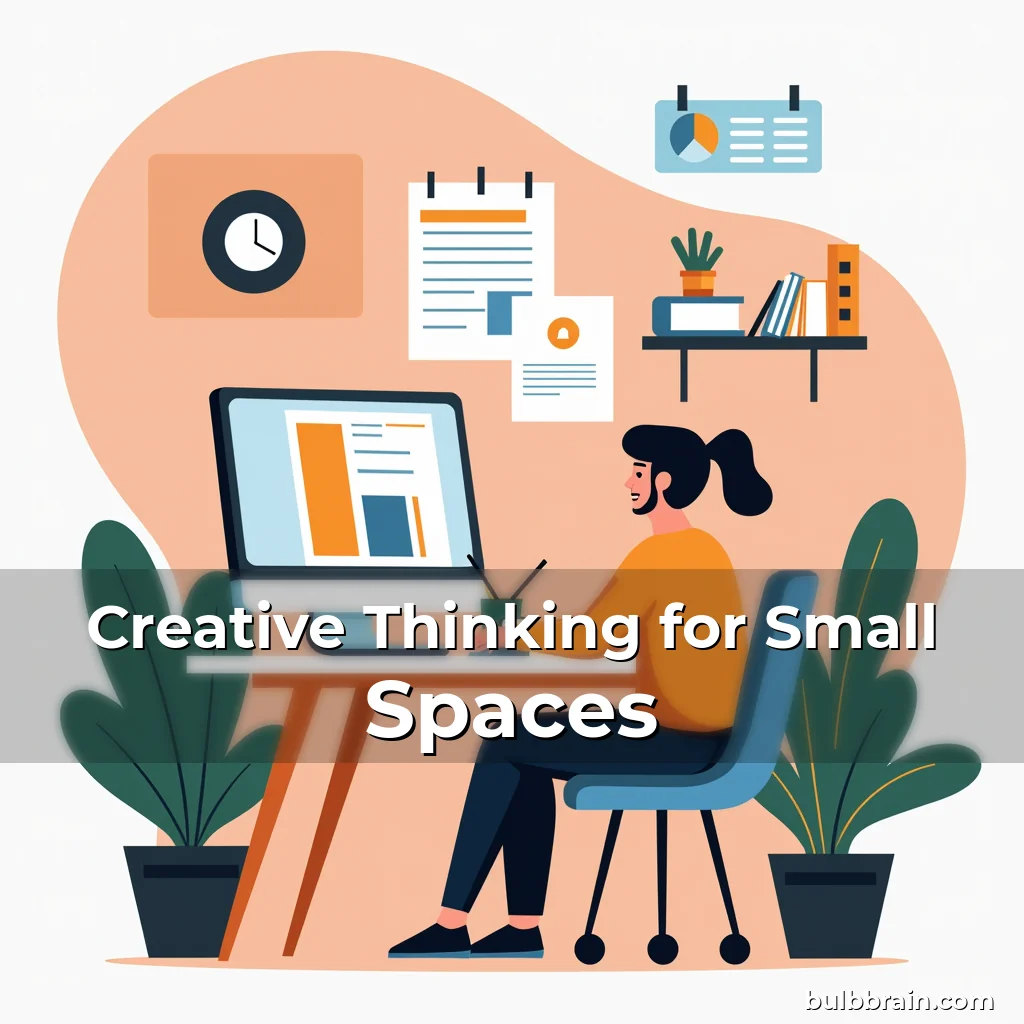
Your surroundings profoundly influence imaginative output. Incorporating natural light, greenery, and ergonomic comfort reduces fatigue while boosting clarity. Rearranging furniture periodically stimulates renewed interest in familiar spaces.
Personalized decor matters greatly too. Displaying inspiring quotes near workstations serves as constant motivation. Organizing materials by function—not just aesthetics—enhances efficiency without sacrificing visual appeal.
Evidence-Based Space Optimization
Research indicates that viewports from windows correlate strongly with increased productivity rates. Even indirect sources like photos of nature scenes produce similar benefits for indoor workers. Strategically placing mirrors can make rooms appear larger, indirectly impacting morale and output quality.
Scent diffusion systems using peppermint oil demonstrate measurable improvements in focus duration among users exposed consistently over six weeks. Combining olfactory stimulation with ambient soundscape customization creates multisensory environments optimized specifically for inventive tasks.
Navigating Constraints as Catalysts
Limited resources don’t equate to limited potential. History shows remarkable innovations emerged precisely because creators had fewer choices available. Repurposing everyday items fosters ingenuity by forcing nonlinear solution-finding behaviors.
Making do with less sharpens resourcefulness dramatically. Simple rules like the ten-minute rule—using whatever is handy without additional purchases—train minds accustomed to instant gratification toward appreciating scarcity as opportunity rather than deficit.
Measuring Progress in Creative Journeys
Tracking development milestones provides objective validation of growing abilities. Keeping record books with dated sketches, notes, and completed projects showcases visible improvement arcs across time periods measured monthly or quarterly.
Data analytics tools now quantify abstract concepts like originality levels through sentiment analysis algorithms applied to written outputs. While subjective measures remain valuable, combining quantitative indicators with qualitative reflections offers holistic assessment frameworks.
Community Building Through Shared Ideas
Collaborative exchanges exponentially increase creative capacity by exposing participants to foreign paradigms. Joining online forums or local groups facilitates peer review cycles that challenge assumptions while reinforcing strengths identified during workshops or hackathons.
Crowdsourcing expertise enables tackling complex issues collectively. Platform technologies allow asynchronous contribution models where members add ideas whenever convenient without requiring simultaneous presence—a critical feature for geographically dispersed communities.
Conclusion
Creative thinking transcends mere problem-solving; it shapes how we interact with the world around us. By intentionally practicing strategies discussed—from environmental tuning to digital tool utilization—we cultivate lifelong inventiveness adaptable to changing circumstances.
To begin your journey today, set aside thirty minutes weekly dedicated exclusively to experimenting freely without judgment. Track results systematically using chosen measurement methods described earlier. With patience and persistence, you’ll discover untapped potential waiting beneath every ordinary situation.

news is a contributor at BulbBrain. We are committed to providing well-researched, accurate, and valuable content to our readers.