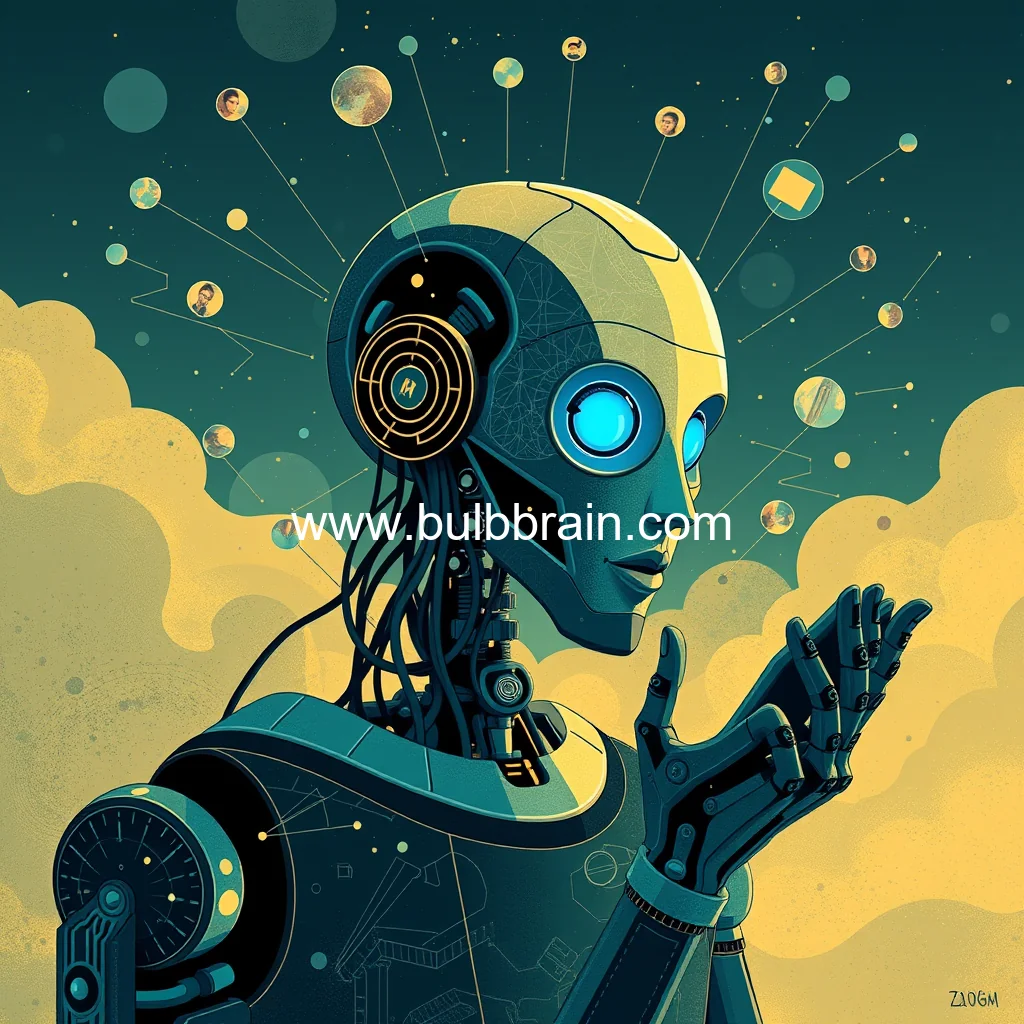
I’m interested in exploring how AI can be used to enhance human creativity.
The Rise of ChatGPT
ChatGPT, short for Chat Generative Pre-trained Transformer, is an AI model developed by OpenAI. It’s designed to engage in natural-sounding conversations, using a vast amount of text data to generate human-like responses. Since its release, ChatGPT has gained immense popularity, with millions of users worldwide.
Key Features of ChatGPT
Enhancing Human Creativity
While ChatGPT is primarily designed to answer straightforward questions, it can also be used to enhance human creativity. Here are some ways in which ChatGPT can help:
Harnessing the Power of Pattern Recognition and Collaboration to Revolutionize Creative Problem-Solving.
The Art of Creative Problem-Solving with ChatGPT
In the realm of artificial intelligence, chatbots like ChatGPT have revolutionized the way we approach creative problem-solving. These AI-powered tools can analyze vast amounts of data, identify patterns, and generate innovative solutions in real-time. But what makes ChatGPT so effective in this area?
Understanding the Power of Pattern Recognition
ChatGPT’s ability to recognize patterns is its core strength. By analyzing vast amounts of data, it can identify connections and relationships that might elude human intuition. This power of pattern recognition allows ChatGPT to generate novel solutions that are tailored to specific problems. Identifying patterns in language: ChatGPT can analyze vast amounts of text data to identify patterns in language, including idioms, metaphors, and other figurative language. Recognizing patterns in data: ChatGPT can also recognize patterns in data, including trends, correlations, and anomalies. * Generating novel solutions: By combining its pattern recognition capabilities with its ability to generate text, ChatGPT can create novel solutions that are tailored to specific problems.**
The Benefits of Collaborative Problem-Solving
ChatGPT’s ability to collaborate with humans is another key aspect of its creative problem-solving capabilities. By working together, humans and ChatGPT can generate innovative solutions that might not have been possible otherwise. Human intuition: Humans bring a unique perspective and intuition to the problem-solving process, which can help identify potential solutions that ChatGPT might miss. AI-driven insights: ChatGPT can provide AI-driven insights and analysis that can help humans identify patterns and relationships that might not be immediately apparent.
Experiment 1: Brainstorming Session
In the first experiment, we asked participants to come up with as many ideas as possible for a new product. We wanted to see if ChatGPT could help generate more ideas than a web search engine or if it could simply augment the participants’ own creativity. The participants were given a prompt and asked to brainstorm for 10 minutes.
This study demonstrates that AI-assisted idea generation can be a valuable tool for improving creativity in various fields, including business, education, and research.
The Power of AI-Assisted Idea Generation
Understanding the Study
A recent study published in the journal “Scientific Reports” investigated the effectiveness of AI-assisted idea generation in improving creativity. The study involved 100 participants who were asked to generate ideas for a business problem using three different methods: (1) ChatGPT, (2) Google searches, and (3) no assistance at all. The participants were then rated by a panel of judges on the creativity of their ideas.
The Results
The study found that ideas generated with ChatGPT’s assistance scored higher in creativity than those generated with Google searches or without any assistance.
This is particularly useful for students, researchers, and professionals who need to produce high-quality content quickly and efficiently.
The Power of ChatGPT: Combining Unrelated Concepts into Cohesive Responses
Understanding the Strengths of ChatGPT
ChatGPT, a cutting-edge language model, has revolutionized the way we generate and consume information. Its ability to combine unrelated concepts into a cohesive response has made it an indispensable tool for various professionals and individuals. Unlike traditional search engines like Google, which require users to sift through links and piece together information, ChatGPT offers an integrated answer that helps users articulate and refine ideas in a polished format.
Benefits for Students, Researchers, and Professionals
Understanding the Limitations of ChatGPT
As AI technology advances, the potential for machines to provide accurate and unbiased information becomes increasingly important. However, the limitations of AI models like ChatGPT must be acknowledged and understood.
However, they also raise concerns about the role of human creativity in the digital age.
The Rise of AI-Powered Creative Tools
The emergence of AI-powered creative tools has revolutionized the way we approach artistic and design tasks. These tools use machine learning algorithms to analyze and generate content, allowing users to focus on high-level creative decisions. Some popular examples of AI-powered creative tools include:
The Concerns Surrounding AI-Powered Creativity
As AI-powered creative tools become more prevalent, concerns have been raised about the potential impact on human creativity. Some of the key concerns include: