
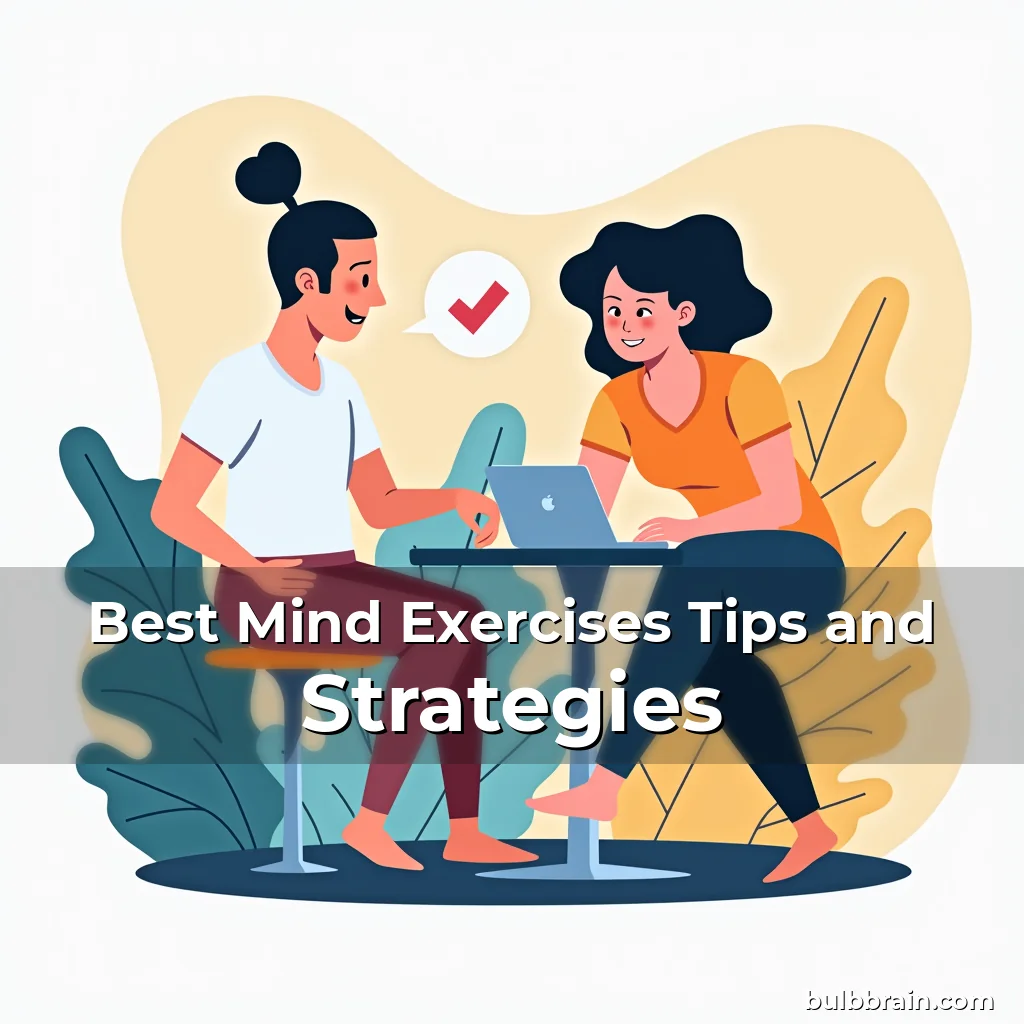
The Ultimate Mental Workout: Top Brain Training Techniques to Boost Cognitive Health
In an age where digital distractions dominate our daily routines, sharpening your mental faculties has never been more critical. The brain, much like any muscle, thrives on regular exercise that challenges its neural pathways and enhances cognitive abilities.
Whether you’re aiming to boost memory retention, enhance problem-solving skills, or simply stay mentally agile as you age, incorporating mind exercises into your lifestyle can yield remarkable results. This guide explores some of the most effective techniques designed to stimulate your brain’s potential.
Cognitive Stimulation Through Puzzles and Games
Puzzles and brain games have long been celebrated for their ability to challenge the mind while providing entertainment. These activities engage various regions of the brain responsible for logical thinking, pattern recognition, and spatial awareness.
Solving crosswords, Sudoku puzzles, or playing strategy board games not only keeps your mind active but also promotes neuroplasticity—the brain’s ability to reorganize itself by forming new connections. Engaging in such tasks regularly helps maintain mental sharpness over time.
- Chess: A classic game that requires strategic foresight, planning, and adaptability. Regular play improves concentration and decision-making skills.
- Jigsaw Puzzles: Enhance visual-spatial intelligence and patience. Completing complex puzzles can be particularly beneficial for seniors looking to preserve cognitive function.
Mental Arithmetic and Calculation Drills
Maintaining strong numerical skills is essential for everyday life and overall cognitive health. Simple arithmetic drills, when practiced consistently, reinforce foundational math skills and promote mental agility.
Activities such as mental calculation without using calculators, estimating quantities, or solving basic equations quickly help strengthen working memory and attention span. These exercises are especially useful for children learning mathematics and adults seeking to prevent cognitive decline.
- Daily Math Challenges: Incorporate quick calculations into routine tasks, like calculating change during shopping or figuring out travel times based on speed limits.
- Mental Math Apps: Utilize apps like Lumosity or Peak which offer structured programs tailored to different skill levels and goals.
Creative Thinking Exercises
Fostering creativity isn’t merely an artistic pursuit; it involves stimulating divergent thinking processes that generate novel ideas and solutions. Creative thinking exercises encourage exploration beyond conventional thought patterns.
Engaging in creative writing, drawing, or brainstorming sessions allows individuals to tap into underutilized parts of the brain associated with imagination and innovation. Such practices often lead to improved problem-solving capabilities across various domains.
- Brainteasers: Solve riddles or lateral thinking problems that require interpreting information from unconventional perspectives.
- Free Writing Prompts: Dedicate ten minutes each day to write freely about random topics without self-criticism, promoting fluidity of thought and emotional expression.
Learning New Skills and Languages
Acquiring new knowledge continually stimulates neuronal activity and encourages synaptic growth within the brain. Learning languages, musical instruments, or technical skills provides rich opportunities for cognitive engagement.
For instance, studying a foreign language activates multiple areas of the brain simultaneously, enhancing both linguistic proficiency and executive functions such as multitasking and inhibition control. Similarly, mastering an instrument demands coordination between auditory processing and fine motor skills.
- Dual Language Acquisition: Learn two languages concurrently to maximize neural activation and linguistic flexibility.
- Instrument Practice: Set aside dedicated practice times focusing on scales, chords, and composition techniques rather than passive listening alone.
Physical Activity and Its Impact on Mental Clarity
While physical exercise primarily targets bodily fitness, it significantly influences brain health through increased blood flow and release of endorphins. Aerobic workouts, yoga, and strength training all contribute uniquely to cognitive enhancement.
Aerobic activities increase hippocampal volume—an area crucial for memory formation—while mindfulness-based practices like yoga reduce stress hormones linked to impaired cognition. Combining movement with targeted breathing exercises amplifies these benefits further.
- Aerobics & Dance: Activities like cycling, swimming, or salsa dancing elevate heart rate, oxygen intake, and mood regulation.
- Yoga Poses for Focus: Incorporate poses such as Tree Pose or Warrior II which demand balance and concentration, thereby strengthening mental discipline.
Reading and Deep Information Processing
Immersive reading experiences foster deep comprehension and analytical thinking by requiring sustained attention and interpretation of abstract concepts. Choosing books that challenge your understanding can profoundly impact intellectual development.
Non-fiction literature offering insights into psychology, philosophy, or science stimulates higher-order thinking processes compared to passive consumption of media content. Encouraging reflective journaling after significant reads reinforces retained information.
- Philosophical Texts: Explore works by thinkers like Descartes or Nietzsche which provoke introspection and critical analysis.
- Journal Reflections: After finishing a chapter or book segment, jot down key takeaways along with personal reflections to solidify learning outcomes.
Mindfulness Meditation and Stress Reduction
Regular meditation practice cultivates present-moment awareness and reduces cortisol levels associated with chronic stress. Mindful breathing exercises serve as entry points for beginners embarking on this journey toward inner peace.
Giving yourself five minutes several times daily to observe thoughts non-judgmentally builds resilience against anxiety-inducing situations. Over time, consistent meditation rewires neural networks involved in emotional regulation and impulse management.
- Guided Sessions: Begin with audio-guided meditations available via apps like Headspace or Calm which provide structured guidance suitable for novices.
- Body Scan Technique: Spend ten minutes systematically scanning body sensations starting from toes upward, noting tension points without attempting to fix them.
Social Interaction and Conversational Intelligence
Meaningful conversations with others stimulate social cognition areas of the brain responsible for empathy, theory of mind, and perspective-taking. Social interaction fosters emotional intelligence alongside intellectual exchange.
Participating actively in group discussions or debates trains individuals to articulate views clearly while considering alternative viewpoints—a vital aspect of interpersonal relationships and professional environments alike.
- Debate Clubs: Join local debate societies where participants hone argumentation skills through respectful disagreement and rebuttal formulation.
- Community Volunteering: Engage in volunteer work that exposes you to diverse demographics, broadening cultural competence and compassion.
Napping and Sleep Hygiene Practices
Quality sleep plays a pivotal role in consolidating memories formed throughout the day. Implementing good bedtime rituals ensures restorative slumber necessary for optimal cognitive performance.
Establishing consistent nap schedules (ideally mid-afternoon) rejuvenates alertness without interfering with nighttime sleep cycles. Avoiding screens before bed minimizes blue light exposure detrimental to melatonin production.
- Bedtime Routine: Wind down with herbal tea, soft music, or gentle stretching instead of checking emails right before lights-out.
- Sleep Environment Optimization: Invest in blackout curtains, white noise machines, or weighted blankets conducive to uninterrupted rest.
Conclusion
The variety of mind exercises discussed highlights numerous avenues for maintaining peak cerebral function across all stages of life. By integrating these strategies consistently into daily routines, individuals empower themselves cognitively while enjoying enriched personal experiences.
To begin leveraging these methods effectively, choose at least three distinct approaches aligning with your interests and schedule. Commitment to regular practice will gradually transform these habits into enduring sources of mental vitality and joy.

news is a contributor at BulbBrain. We are committed to providing well-researched, accurate, and valuable content to our readers.
You May Also Like

About news
Passionate about learning, cognitive science, and helping people unlock their full potential.